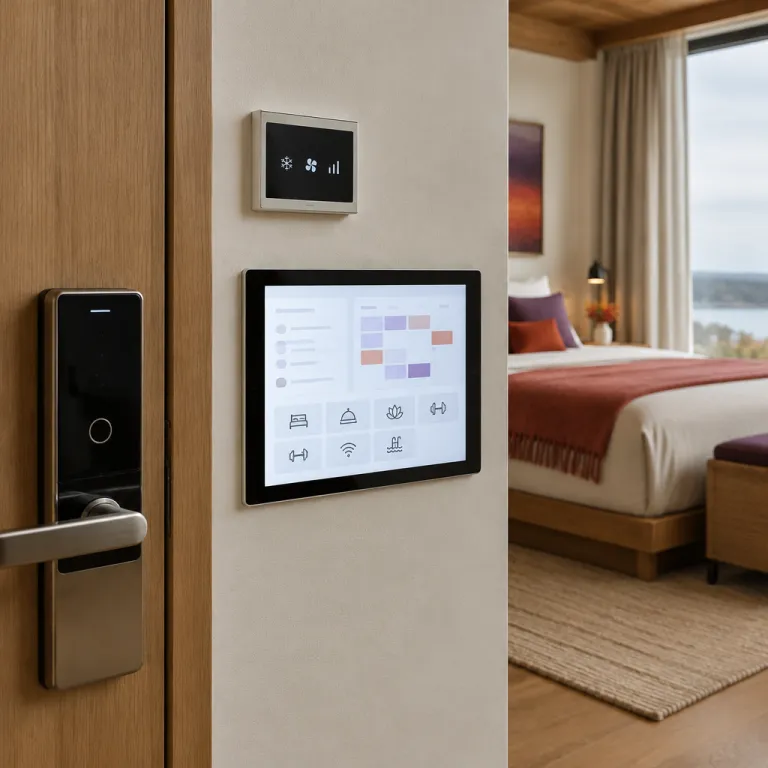
How hotel contracting platform parameters fields shape your luxury villa stay
When you book a luxury vacation house, you rarely see the hotel contracting platform parameters fields working quietly in the background. These structured fields govern every contract between a vacation home provider or hotel and the booking platform, defining the rate you pay, the rooms or villas you can select, and the cancellation terms that protect your plans. For a guest choosing a premium coastal villa or a mountain estate, these parameters translate directly into transparent booking conditions, reliable room availability, and consistent service standards.
Behind each elegant listing, a hotel or high end vacation home partner signs a contract with the platform that specifies seasons, room categories, guest rooms capacity, and long term obligations. The platform then uses a powerful engine to convert that contract into real time data, so that when you search for a group hotel style estate or a standalone villa, you see only accurate rates and valid offers. In this context, hotel contracting platform parameters fields are not abstract legal jargon; they are the structured data points that keep your booking stable even when demand surges or lead times are short.
These parameters typically include the hotel or property legal identity, address, and the exact room or villa types mapped to standardized categories. They also define occupancy rules for each room, such as how many guests can stay, whether extra beds are allowed, and how children are priced. According to one industry reference, “What are core fields in a hotel contract platform? hotel legal details, seasons/rate types, room types, occupancy pricing, cancellation & attrition terms”, which shows how deeply your future stay is encoded in these contracts.
For luxury vacation homes, the same structure used for hotels is adapted to villas, chalets, and estates, often grouped as engine groups or an engine group of similar properties. The platform’s management team configures contracts so that a group of villas sharing a pool or private beach can be sold with a coherent group rate and aligned cancellation terms. When you compare several properties in the same destination, you are effectively comparing different contracts and hotel rfps that have been translated into guest friendly booking screens.
Because many premium vacation homes operate alongside hotels within the same platform, the hotel rfp process and hotel sourcing logic also influence which villas you see. Corporate travel managers and travel management companies may negotiate contracts that bundle hotels and vacation houses for business travel incentives or executive retreats. As a leisure guest, you benefit from this professional sourcing because the same strict data access rules, performance clauses, and service deliverables that govern hotels are applied to your chosen villa.
Finally, hotel contracting platform parameters fields support smart home technology by specifying which connected amenities are guaranteed in each room or villa. If a contract states that a property offers app controlled lighting, climate management, or security, those features become part of the deliverables that the platform can enforce. This alignment between contracts, data, and technology ensures that when you book a smart vacation house, the digital comforts you expect are not optional extras but clearly defined obligations.
From rate rules to smart locks: what the hidden fields really control
When you browse a luxury vacation house listing with keyless entry, climate zones, and voice controlled lighting, you are seeing the visible side of a much deeper system. The invisible side is a web of contracts and hotel rfps that define how those features are priced, when they are available, and how they interact with your booking. Hotel contracting platform parameters fields connect the smart home layer with the commercial engine that sets each rate and manages availability.
Each contract between a property and the platform defines multiple rate structures, such as flexible, non refundable, and long term stay offers. These rates are tied to specific rooms or entire homes, and the engine uses real time data to adjust availability based on lead times, minimum nights, and group booking rules. When you see a seasonal promotion for a waterfront villa in a destination similar to the Siesta Key seasonal rentals luxury vacation homes, that promotion exists because the underlying contract allows the platform to publish a particular rate for defined dates.
Smart home technology adds another layer of parameters, especially for high value guest rooms and villas used for corporate travel or business travel retreats. The contract can specify that certain rooms include smart thermostats, automated blinds, or advanced security, and the platform’s management tools then tag those units accordingly. When you filter for properties with electric vehicle chargers or solar powered systems, the engine reads these tags and matches your request to the right rooms or homes.
For group hotel style stays in large villas, hotel contracting platform parameters fields also govern how group rate offers are applied. A group of executives booking a hillside estate may receive a negotiated group rate that includes early check in, late check out, and enhanced data access for reporting through their travel management provider. These conditions are stored as structured data in the platform, ensuring that every guest in the group receives the same benefits and that the property is compensated according to the agreed contracts.
Cancellation terms are another critical field that shapes your experience, especially when travel plans are uncertain. The contract defines how close to arrival you can cancel without penalty, how partial stays are handled, and what happens if a smart home system failure affects your room. Because these rules are encoded in hotel contracting platform parameters fields, the engine can instantly calculate any refund or credit due, giving you clarity at the moment you adjust your booking.
Even the request demo buttons you sometimes see on corporate facing versions of a platform are connected to this structure. When a business client submits a request for a demo of hotel sourcing tools, the platform showcases how contracts, hotel rfp templates, and engine groups can be configured to manage both hotels and luxury vacation homes. As a leisure guest, you indirectly benefit from this sophistication, because the same robust systems that serve corporate travel also keep your private villa booking stable and transparent.
Why smart home features must be written into contracts, not just marketing
Smart home technology in luxury vacation houses only delivers consistent value when it is anchored in clear contracts. A property might advertise voice assistants, smart locks, and adaptive lighting, but unless these features are defined in hotel contracting platform parameters fields, they remain marketing promises rather than enforceable obligations. For a discerning guest, the difference between a casual promise and a contractual deliverable can define the comfort and security of the stay.
Within each contract, the platform and the hotel or vacation home owner specify which smart features are standard for every room or villa and which are optional extras. These details sit alongside traditional fields such as seasons, rate types, and room capacities, forming a comprehensive data set that the engine can interpret. When a property in the Tuscan countryside, similar in spirit to those highlighted in the Siena farmhouse elegance guide, commits to smart irrigation, energy monitoring, and digital concierge tablets, those commitments are written into the contract.
For guests booking multiple guest rooms or an entire estate, hotel contracting platform parameters fields also define how smart systems behave for groups. A group booking might require synchronized access codes, shared control over meeting rooms, or tailored settings for wellness spaces, and these needs are translated into specific clauses and data fields. The platform’s management tools then ensure that the engine applies the correct configurations for each group hotel style reservation, whether it is for a family celebration or a discreet corporate retreat.
Hotel sourcing teams and travel management specialists rely on this structured data when they evaluate properties for executive offsites or incentive trips. They compare contracts and hotel rfps not only on rate and cancellation terms but also on the reliability of smart home infrastructure and the quality of data access for reporting. When a property can demonstrate stable smart systems, real time monitoring, and clear service levels, it gains an advantage in competitive sourcing processes.
Even for independent leisure travelers, the presence of smart features in hotel contracting platform parameters fields influences the booking journey. Filters for keyless entry, smart climate control, or renewable energy are only possible when the platform has precise data about each room or villa. When you select a property that generates its own power, such as those profiled in this overview of off the grid vacation houses that generate their own power, you are benefiting from contracts that explicitly define those capabilities.
Finally, encoding smart home features into contracts supports long term reliability and guest trust. As technology evolves, the platform can update hotel contracting platform parameters fields to reflect new standards, while preserving the core obligations that protect your stay. This balance between innovation and contractual stability ensures that your luxury vacation house remains both cutting edge and reassuringly dependable.
How corporate and group travel shape the smart vacation house you book
Many luxury vacation houses now serve both leisure guests and corporate travel clients, and this dual role significantly influences how contracts are written. When a property participates in business travel programs or hosts executive retreats, its agreements with the platform must handle complex group booking patterns and detailed reporting needs. These requirements are captured in hotel contracting platform parameters fields that go far beyond a simple leisure rate and a standard room description.
Corporate buyers often issue a formal hotel rfp, asking multiple hotels and vacation home providers to submit detailed responses about rates, rooms, smart home capabilities, and sustainability practices. A single large scale hotel rfp can contain hundreds of questions, and one industry benchmark notes that a leading platform supports 717 standard question fields per RFP, illustrating the depth of data involved. When a vacation home owner responds, they define not only the group rate and cancellation terms but also how smart locks, energy dashboards, and digital concierge tools will support business travelers.
Once a corporate contract is signed, the platform’s engine groups properties into logical clusters for easier management. A group hotel style estate with several guest rooms and meeting spaces might be placed in an engine group with similar villas across the united states, allowing travel management teams to compare performance and lead times. These engine groups share standardized hotel contracting platform parameters fields, so that a procurement manager can evaluate contracts and hotel rfps consistently across multiple destinations.
For you as a leisure guest, this corporate structure still matters because it raises the baseline quality of the properties on offer. A vacation house that meets strict business travel standards for data access, real time reporting, and direct bill arrangements is likely to maintain high operational discipline. When you book the same property for a family celebration, you benefit from the same robust management, even if you never see the corporate travel contract behind it.
Group booking logic also affects how availability is displayed on the platform when you search for several rooms or an entire villa. Hotel contracting platform parameters fields define how many guest rooms can be held at a negotiated group rate, how long those holds last, and what happens if the group size changes. The engine then uses this data to show you accurate options, preventing the frustration of selecting a property only to learn that the rooms are no longer available.
In markets such as the united states, where corporate travel volumes are high and contracts are often multi year, long term agreements play a crucial role. These contracts may include performance based clauses, specifying minimum room nights or revenue targets, and the platform tracks these metrics using structured data. When a property consistently meets or exceeds its obligations, it may receive better placement on the platform, which in turn gives leisure guests more confidence in booking that smart, well managed vacation house.
Inside the data engine: from RFP templates to real time villa availability
Every time you check whether a luxury vacation house is available for your dates, a sophisticated engine is working behind the scenes. This engine reads hotel contracting platform parameters fields, combines them with live inventory data, and returns a clear answer about rooms, rates, and restrictions. The apparent simplicity of a green “available” label hides a complex choreography of contracts, hotel rfps, and data management.
The process often begins with standardized request templates used during the hotel rfp stage, where hotels and vacation home owners submit detailed information about their properties. These templates capture everything from room types and guest rooms counts to smart home features, sustainability credentials, and cancellation terms. Once the contract is finalized, the platform’s management tools convert this information into structured data that the engine can interpret in real time.
For luxury vacation homes, mapping each room or villa correctly is essential, especially when smart technology varies between units. One villa might offer advanced climate control and energy monitoring, while another focuses on wellness features such as circadian lighting and air quality sensors. Hotel contracting platform parameters fields allow the engine to distinguish these differences, so that when you request a specific combination of amenities, the booking platform can respond accurately.
Data access is another critical dimension, particularly for corporate clients and travel management companies that need detailed reporting. Contracts may specify which performance metrics the platform will share, such as occupancy, average rate, and smart home usage patterns, and how often these reports will be delivered. The engine then aggregates data across engine groups and group hotel style properties, ensuring that both hotels and vacation homes are evaluated on consistent criteria.
Lead times, or the number of days between booking and arrival, are also encoded in hotel contracting platform parameters fields. A property might allow flexible rates for bookings made far in advance, while requiring stricter conditions for last minute stays, especially during peak seasons. The engine reads these rules and adjusts the rate and cancellation terms you see, helping you understand the trade off between flexibility and price.
Finally, the same engine that powers availability also supports operational workflows such as direct bill arrangements for corporate travel and automated notifications for smart home maintenance. When a contract specifies that certain business travel clients can use direct bill instead of paying on arrival, the platform enforces this rule automatically. In parallel, smart home systems can send alerts when devices need attention, and these signals can be linked back to contractual service levels, ensuring that your luxury vacation house remains both technologically advanced and reliably maintained.
What smart home contracting means for privacy, security, and comfort
Smart home technology in luxury vacation houses raises important questions about privacy, security, and guest comfort. These concerns are not solved by gadgets alone; they require careful alignment between technology and the hotel contracting platform parameters fields that govern each property. When contracts address these issues explicitly, guests gain clearer protections and a more predictable experience.
Privacy starts with defining which smart devices are installed in each room or villa and what data they collect. Contracts can specify that no audio or video recording devices are present in private spaces, or that certain sensors are limited to energy management functions only. The platform’s management tools then record these commitments as structured data, allowing the engine to present transparent information to guests and to enforce compliance across hotels and vacation homes.
Security is equally critical, especially when smart locks and digital access codes control entry to guest rooms and villas. Hotel contracting platform parameters fields can define how often codes are changed, how access is logged, and what backup procedures exist in case of system failure. For group booking scenarios, the contract may outline how access is granted to multiple guests, ensuring that each member of a group hotel style stay has appropriate but limited entry rights.
Comfort involves more than temperature and lighting; it includes the ease with which guests can control smart systems without feeling overwhelmed. Contracts can require that properties provide clear instructions, intuitive interfaces, and responsive support for smart home features. When these obligations are written into contracts and reflected in hotel contracting platform parameters fields, the platform can hold properties accountable if the promised level of comfort is not delivered.
For corporate travel and business travel clients, privacy and security clauses are often even more detailed. Hotel rfps and hotel sourcing processes may ask about data encryption, network segmentation, and compliance with regional regulations, particularly in markets like the united states where legal frameworks are stringent. The answers become part of the contract, and the platform’s engine groups this information so that travel management teams can compare properties on more than just rate and location.
Ultimately, when privacy, security, and comfort are embedded in hotel contracting platform parameters fields, guests can enjoy smart home benefits without constant worry. You can adjust the lighting, monitor the pool temperature, or check who is at the gate, knowing that these conveniences rest on clear contracts and robust management systems. This combination of technology and governance is what transforms a connected vacation house into a truly luxurious and trustworthy retreat.
How to read between the lines of a luxury vacation house listing
When you browse a luxury vacation house listing, you see curated photos, polished descriptions, and a clear nightly rate. What you do not see are the hotel contracting platform parameters fields that shape every aspect of that offer, from the smallest amenity to the most complex cancellation terms. Learning to read between the lines of a listing helps you make choices that align with your expectations for smart home comfort and contractual security.
Start by examining how the listing describes rooms or guest rooms, paying attention to whether smart features are presented as guaranteed or as “subject to availability”. If a property consistently highlights keyless entry, climate control, and energy efficient systems as standard in every room, it is likely that these features are encoded in the contract. When such details are vague or inconsistent, it may indicate that the underlying hotel contracting platform parameters fields treat them as optional, which can lead to surprises on arrival.
Next, look closely at the rate conditions and cancellation terms, which are direct reflections of the contract between the property and the platform. Flexible rates usually come with more generous cancellation windows, while discounted offers may involve stricter rules and longer lead times before any refund is possible. These patterns exist because the engine is applying structured data from the contract, balancing the property’s revenue management goals with your need for flexibility.
For guests planning a group booking, pay attention to how the listing handles multiple rooms or entire property reservations. References to group rate offers, minimum stay requirements, or special conditions for events suggest that the property participates in more complex contracts and hotel rfps. In such cases, hotel contracting platform parameters fields will include detailed rules about occupancy, noise limits, and the use of smart home systems for entertainment or security during gatherings.
It is also worth noting whether the property appears in collections aimed at corporate travel or business travel, even if you are booking for leisure. Inclusion in these segments implies that the property has passed through rigorous hotel sourcing evaluations, including checks on data access, real time reporting, and compliance with privacy and security standards. Properties that satisfy these criteria, especially in competitive markets like the united states, tend to maintain higher operational discipline and more reliable smart home performance.
Finally, if you are particularly interested in advanced smart home features or sustainable technology, consider how consistently these elements appear across the listing and any related content on the platform. When a property’s smart capabilities are supported by clear, repeated references and aligned with broader editorial coverage, it often signals that these features are embedded in hotel contracting platform parameters fields rather than being temporary experiments. Reading a listing with this mindset allows you to choose a vacation house where the promises on screen are backed by solid contracts, precise data, and a well tuned engine working quietly in your favor.
Key figures behind smart contracting for luxury vacation houses
- One leading meetings and travel technology provider supports 717 standard question fields per RFP, illustrating how detailed hotel rfps and vacation home questionnaires have become for contracts that include smart home features and service levels (Cvent platform data, internal benchmark).
- Global corporate travel programs often negotiate multi year contracts that cover both hotels and high end vacation homes, with performance reviews typically scheduled at least once per year to assess rate compliance, guest satisfaction, and smart home reliability (industry practice reported by major travel management companies).
- In mature markets such as the united states, large corporate buyers frequently consolidate more than half of their annual room nights through structured hotel sourcing events, which increasingly evaluate properties on technology readiness and data access capabilities alongside traditional rate metrics (data from leading travel management firms).
- Smart lock adoption in professionally managed vacation rentals has grown steadily, with industry surveys indicating that a significant share of upscale properties now rely on digital access, making security clauses and access management fields central to hotel contracting platform parameters fields (reports from vacation rental management associations).
FAQ about hotel contracting platform parameters fields and smart vacation houses
What are hotel contracting platform parameters fields in simple terms?
Hotel contracting platform parameters fields are the structured data points that describe every aspect of a contract between a property and a booking platform. They include legal details, rate rules, room or villa descriptions, cancellation terms, and increasingly, smart home features. These fields allow the platform’s engine to translate complex contracts into clear, reliable booking options for guests.
How do these fields affect my luxury vacation house booking?
They determine which rates you see, how flexible your cancellation options are, and which amenities are guaranteed during your stay. When smart home features such as keyless entry or climate control are written into hotel contracting platform parameters fields, they become contractual obligations rather than optional extras. This structure reduces the risk of unpleasant surprises and helps ensure that the property delivers what the listing promises.
Why are RFPs and templates relevant if I am not a corporate traveler?
Hotel rfps and standardized request templates are tools used by corporate buyers and travel management companies to evaluate hotels and vacation homes in detail. Properties that pass these rigorous processes usually have well defined contracts, clear data access policies, and reliable smart home infrastructure. Even as a leisure guest, you benefit from this discipline because it leads to more accurate listings and more consistent service.
How do group bookings and group rates work for villas and estates?
For villas and estates, group booking rules and group rate offers are defined in the same hotel contracting platform parameters fields used for hotels. The contract specifies how many guest rooms or beds are included, what minimum stay applies, and which smart home features support events or retreats. The platform’s engine then applies these rules automatically, ensuring that group hotel style stays are priced and managed according to the agreed contracts.
What should I look for in a listing to gauge smart home reliability?
Look for clear, consistent references to smart features such as keyless entry, climate control, and energy management, especially when they are described as standard rather than “on request”. Transparent cancellation terms, detailed room descriptions, and alignment with curated collections or editorial guides also suggest that these features are embedded in hotel contracting platform parameters fields. Such signals indicate that the property’s smart home promises are backed by robust contracts and professional management.