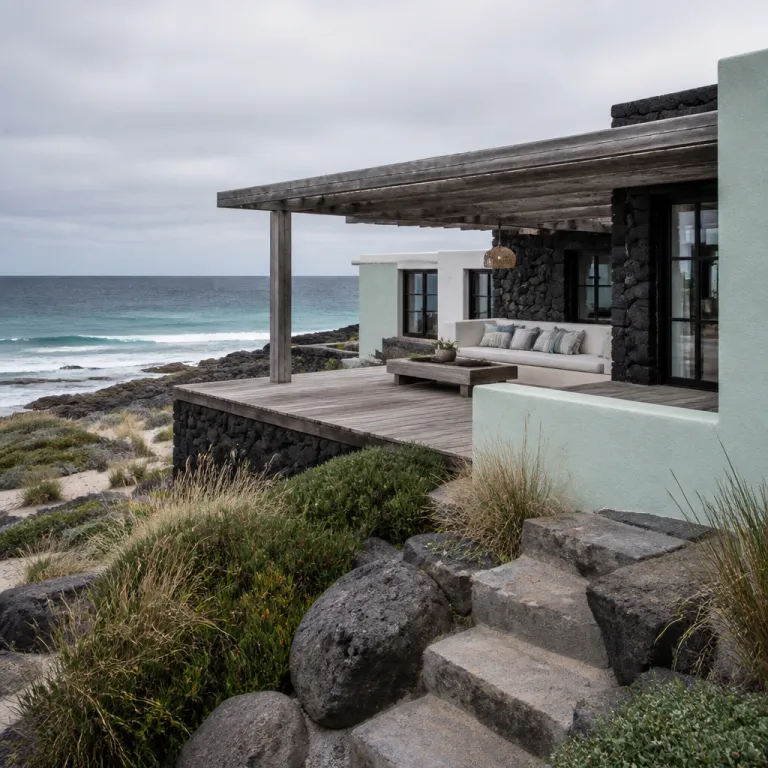
From global catalog to place rooted luxury villa design
The most interesting luxury villas today feel grown from their landscapes. High end travelers are moving away from a generic global catalog toward a quieter, richer language of natural materials and local design that makes every villa part of its setting. When you search for a luxury villa natural materials local design 2026 style stay, you are really looking for a house that could not exist anywhere else.
Architects, builders and homeowners now treat materials as the first layer of storytelling, not just a finish. Industry data shows that a rising share of luxury homes use local stone, reclaimed timber and lime wash to reduce transport emissions while giving living spaces a distinct sense of place. This shift in modern luxury means your chosen villa is no longer just a backdrop for outdoor living but a piece of architecture that quietly explains the region every time you touch a wall or walk barefoot across natural stone.
Design led booking platforms for luxury villas increasingly highlight material provenance alongside views and pools. When you browse modern villas on a premium site, look for detailed notes on architecture, structural elements and interior design rather than vague lifestyle copy. A serious luxury villa listing will describe which natural materials shape the villa design, how indoor outdoor areas are oriented, and whether eco luxury principles or smart technology have been integrated for long term comfort and lower impact.
Biophilic interiors, sculpted forms and the new luxury interior
Inside the best villas, biophilic interior design has become the baseline rather than a niche trend. Straight lines and glossy surfaces are giving way to curved walls, sculptural staircases and rounded corners that echo nearby dunes, cliffs or hills, creating living spaces that feel calm even before you unpack. In this new wave of modern design, the luxury interior is defined less by statement art and more by how natural light moves across lime wash, timber and stone throughout the day.
Look closely at the kitchen, because it usually reveals whether a luxury villa is genuinely rooted in place. A thoughtfully designed kitchen will combine natural stone counters, timber cabinetry and local ceramic tiles, while modern appliances and discreet smart technology keep the experience quietly efficient. When you compare coastal villas or Miami villa rentals with heated pools and private beach access, focus on how the interior design uses natural materials to connect cooking, dining and outdoor living terraces into one continuous social room.
Bedrooms and bathrooms follow the same logic, with materials doing the heavy lifting for comfort. Lime wash walls regulate humidity, linen textiles breathe, and reclaimed timber ceilings soften acoustics in both singular room and larger villas layouts. These elements are not just aesthetic features ; they are architectural tools that make luxury homes more restful, more eco friendly and more aligned with the slow living you expect from a long term stay.
Hyper local materials and architecture that mirrors geography
Across coastal, rural and mountain destinations, the most compelling luxury villas now mirror their geography through materials. Volcanic stone appears in clifftop pools and outdoor areas on islands, while reclaimed timber frames fireplaces in alpine retreats and shaded outdoor living decks in forested regions. This is where the promise of luxury villa natural materials local design 2026 thinking becomes tangible underfoot and in your hand.
Architects collaborate with local artisans and sustainable suppliers to align architectural styles with regional craft traditions. Methods range from visiting nearby quarries to select natural stone, to working with carpenters who understand how reclaimed beams behave in humid climates, to applying traditional lime wash with natural pigments that age gracefully. When you read about a property such as a bespoke coastal retreat on a curated platform redefining luxury and premium vacation home bookings with bespoke elegance, pay attention to how the villa design include these local partnerships rather than relying on imported finishes.
For you as a guest, this hyper localization changes how living spaces feel and function. Thick stone walls keep indoor outdoor areas cool without overusing air conditioning, while timber pergolas filter light across terraces where outdoor living naturally extends late into the evening. Over a long term stay, you notice that eco luxury here is not a slogan but a set of architectural elements, material choices and design trends that quietly reduce energy use while making the villa more comfortable to inhabit.
Sustainability, eco luxury and how to read a villa listing
Environmental awareness has moved from marketing language into the structure of serious luxury homes. Industry analyses show that using local materials can significantly reduce the carbon footprint of a villa while supporting regional economies and craftspeople. This is the real meaning of eco luxury in the context of luxury villa natural materials local design 2026 oriented projects, where sustainability and comfort reinforce each other instead of competing.
Experts now answer guest questions with refreshing clarity, noting that "They offer sustainability, uniqueness, and support local economies." and that "It provides character, history, and environmental benefits." and finally that "It offers a natural, breathable finish with a timeless appeal.". These statements translate directly into what you should look for in listings, from reclaimed timber beams and lime wash finishes to natural stone floors that stay cool without mechanical systems. When a property description explains how its architecture and interior design reduce energy use, you can trust that eco considerations are embedded in the building rather than added as afterthoughts.
Reading between the lines of a listing is now a crucial skill for discerning travelers. Ask hosts or concierges about the age and origin of materials, whether smart technology manages shading and ventilation, and how indoor outdoor spaces are oriented for passive cooling. For remote escapes where you might work as well as relax, pair these questions with connectivity checks using guidance from analyses of what separates a workable villa from a beautiful dead zone, so that your modern luxury stay feels both grounded in nature and practically seamless.
Beyond cookie cutter finishes: choosing villas with material identity
Standardized luxury once meant white marble, chrome fixtures and generic modern art, repeated from Bali to the Balearics. That aesthetic now feels tired next to villas where volcanic stone, lime wash and reclaimed timber give every room a distinct material identity. When you compare options on a premium booking site, the properties that stay with you are usually the ones where design and materials tell a coherent story.
Start by filtering for modern villas that emphasize architecture and materials over amenities lists. Strong listings describe how living spaces flow, how outdoor areas are used throughout the day, and which natural materials define the main rooms, from the kitchen to the primary suite. You should see clear references to villa design choices, such as indoor outdoor transitions, shaded outdoor living platforms, and luxury interior details that prioritize tactility over shine.
For couples planning a long term escape, these details matter more than one more gadget or service. A luxury villa built with local stone, timber and lime wash will age gracefully, gaining character instead of wear, while smart technology quietly manages climate and lighting in the background. In the end, the most rewarding luxury homes are those where design trends, architectural styles and material elements align so completely that you remember the feel of the walls and floors as vividly as the view from the terrace.
FAQ
Why are local materials becoming so important in luxury villas ?
Local materials are gaining prominence in luxury villas because they reduce transport emissions, support regional craftspeople and give each villa a unique sense of place. When volcanic stone, reclaimed timber and lime wash are sourced nearby, the architecture naturally reflects its landscape instead of copying a global template. This approach aligns with eco luxury values while creating living spaces that feel more authentic and more comfortable over a long term stay.
How can I tell if a villa really uses natural materials or just imitates the look ?
To verify genuine use of natural materials, read the listing for specific references to stone types, timber species and finishes such as lime wash rather than vague style labels. Ask the host where the stone and wood were sourced, when they were installed and whether local artisans were involved in the villa design. Authentic luxury homes will usually share these details proudly, while staged properties rely on surface level decor and generic modern design language.
What are the benefits of reclaimed timber and lime wash in a vacation villa ?
Reclaimed timber brings visible history and texture to beams, ceilings and floors while reducing demand for new wood, which supports more sustainable architecture. Lime wash creates breathable, matte walls that regulate humidity and age gracefully, especially in coastal or humid climates where modern paints can trap moisture. Together, these materials enhance both the luxury interior atmosphere and the long term durability of living spaces.
How do indoor outdoor spaces contribute to eco luxury in modern villas ?
Well designed indoor outdoor spaces allow breezes, shade and natural light to manage comfort before mechanical systems are needed. Deep terraces, pergolas and courtyards extend outdoor living while protecting interiors, which reduces reliance on air conditioning and artificial lighting. In a carefully planned luxury villa, these architectural elements are central features rather than add ons, making the stay both more sustainable and more pleasurable.
What questions should I ask before booking a villa focused on natural materials ?
Before booking, ask about the origin of key materials, the age and maintenance of stone and timber, and whether any recent renovations respected the original architecture. Clarify how smart technology supports energy efficiency, such as automated shading or climate control, and how outdoor areas are oriented for sun and wind. These questions help you identify luxury villas where design trends, materials and eco priorities are genuinely aligned rather than superficially marketed.