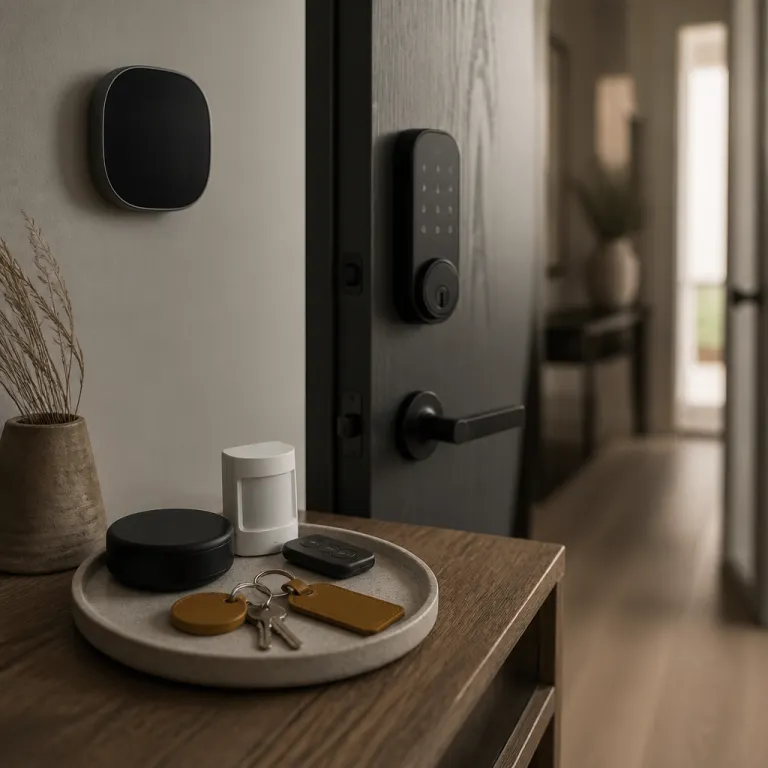
From keypad to kitchen table: when smart feels genuinely welcoming
The smartest moment in any vacation rental is often the first ten minutes. A well designed smart home arrival can turn a late flight and sleepy children into a calm glide from driveway to sofa, shaping the entire guest experience. In luxury vacation rentals, that first impression now matters as much as the view from the terrace.
Keyless entry is the new front door ritual, and smart locks are quietly replacing jangling key rings for discerning guests. The best properties send a unique code in real time shortly before check in, so you step straight into the home without waiting for managers or owners to arrive. This kind of connected home access feels invisible yet central to modern hospitality, especially when the lighting, temperature and even soft music are already set for your family’s arrival.
Smart home systems can pre cool a coastal property to 23 °C, warm a mountain rental before you pull into the driveway, or switch on pathway lights for a safe late night arrival. When used with care, these smart devices support energy efficiency by adjusting heating and cooling only when guests are actually in the home. According to the U.S. Department of Energy and the ENERGY STAR program, smart thermostats typically cut heating and cooling costs by around 8–15 % for many households (source), and short term rental platforms such as Airbnb and Vrbo have reported that listings with smart features often command nightly rates that are roughly 3–5 % higher than comparable non smart homes in internal host education materials from the early 2020s. For owners, this combination of comfort and cost control explains why the luxury rental market has embraced them so quickly.
For you as a traveler, the question is not whether a vacation rental has technology, but whether that technology is working in service of your stay. A thoughtful property management approach keeps controls simple, with one central tablet or wall panel instead of a maze of apps and remotes scattered across rooms. Before you confirm bookings, look for listings where property managers clearly explain how the smart home systems work, and where they promise a human contact in case the technology misbehaves.
Family first: smart safety, space and sanity in large vacation homes
Families booking a premium vacation rental are not chasing gadgets ; they are chasing ease. Smart home vacation rental technology guest experience now means being able to cook, supervise the pool and keep an eye on teenagers, all without turning your stay into a surveillance exercise. The best rentals use smart devices to make a large property feel manageable, not militarized.
Child friendly smart locks on balcony doors, garden gates and pool areas can be set so only adults have the code, which quietly raises safety without adding stress. In sprawling jungle villas or coastal compounds, discreet intercom systems and connected speakers let you call everyone to the table without shouting across 600 m² of home and terraces. If you are considering a rainforest escape, look for listings similar to this kind of refined jungle rental with thoughtful technology, where smart home features support the landscape rather than compete with it.
Noise monitors are another quiet player in the modern guest experience, especially in short term rentals where neighbors are close and local regulations are strict. These devices measure decibel levels without recording conversations, giving property managers a real time report if a gathering drifts into party territory. Used transparently, they protect both guests and owners by preventing fines, complaints and post vacation disputes that can damage hospitality revenue and neighborhood relations.
For families, the most valuable smart technology is often the least flashy. A central app that shows which doors are locked, whether the oven is off and if the automated pool cover is closed can be more reassuring than any cinema room. When you review a vacation rental listing, scan for practical details about locks, safety sensors and energy efficiency features, and do not hesitate to message managers with specific questions about how these systems work with children and multi generational groups.
What should feel standard now, and what still counts as exceptional
In the upper tier of the rental market, smart home basics have quietly become non negotiable. A premium property without reliable Wi Fi, keyless entry and intuitive climate control now feels dated, no matter how photogenic the pool or how close the best restaurants might be. The smart home vacation rental technology guest experience has moved from novelty to baseline expectation for many guests.
At a minimum, look for smart locks or keypad entry, a programmable thermostat and clear instructions for any home technology that controls lighting or blinds. These features should be simple enough that every guest, from grandparents to teenagers, can use them without a manual. When a listing mentions smart devices but offers no explanation, ask the owners or property managers for a short guide before confirming bookings, because complexity is the enemy of relaxation.
Above that baseline, some vacation rentals now offer genuinely exceptional smart technology that can elevate a stay when handled with restraint. Think of a central tablet that lets you dim terrace lights, queue up a playlist in the kitchen and check local recommendations for the best restaurants within 2 km, all while tracking energy use to keep the home efficient. In coastal destinations with strong seasonality, such as the kind of seasonal luxury rentals on Siesta Key, these systems can also adjust shutters and awnings automatically to protect interiors from harsh afternoon sun.
For travelers who value sustainability, smart technology can be a quiet ally. Smart thermostats, automated blinds and occupancy sensors help reduce wasted energy, which matters in large vacation homes that would otherwise run air conditioning all day. When you compare rentals, give preference to properties that explain how their smart home systems support energy efficiency, because that usually signals a more thoughtful approach to both hospitality and property management.
Where smart crosses the line: privacy, data and the right to switch off
Not every smart feature belongs in a vacation rental, and the line is usually privacy. Guests accept smart locks and thermostats because they feel like infrastructure, but cameras inside a home are another story entirely. A refined guest experience depends on trust, not on constant monitoring.
Outdoor security cameras at entrances can be reasonable, especially for remote properties or short term rentals in busy urban areas. However, any camera inside the home, including in living rooms or hallways, should be a red flag for travelers who value discretion and real downtime. Before you finalize bookings, read the listing carefully and ask managers for a clear report of all monitoring devices, including where they are placed and how long data is stored.
Noise sensors sit in a grey zone, because they measure sound levels without recording voices, yet still track behavior in real time. Used transparently, they help property managers protect their investment and maintain good relations with neighbors, especially in destinations where hospitality revenue depends on strict local rules. The key is disclosure ; you should always know which smart devices are active, what they measure and how to disable anything that makes you uncomfortable while you are in the property.
Some luxury rentals now advertise a deliberate absence of smart technology as a design choice, offering an analog advantage vacation where the only central system is the fireplace and the only notifications are from the kitchen timer. These homes appeal to guests who want a post vacation feeling of genuine disconnection, not just another week spent negotiating with apps. When you browse listings, pay attention to whether the promise is a fully connected smart home or a tech light refuge, and choose the version that matches your family’s energy levels and attention span.
How to read a listing like an insider: evaluating smart setups before you book
Most travelers now skim for Wi Fi speed and a few photos, then move straight to price and location. If you care about how smart home vacation rental technology guest experience will shape your stay, it pays to read more like a property manager. The goal is to understand whether the technology will quietly support your vacation or constantly demand your attention.
Start with the basics : does the listing specify which smart devices are installed, such as smart locks, thermostats or noise monitors, and does it explain them in plain language. Look for signs of professional property management, like a digital house manual, a 24/7 contact and a clear policy on data and privacy. When a host mentions smart technology only as a buzzword, ask for a deeper description or a short video walkthrough of the central control points.
Pay attention to how the property handles energy and sustainability, because that often reveals the maturity of its smart home setup. A serious deep dive into energy efficiency might include smart thermostats, zoned heating, LED lighting and sensors that turn off air conditioning when terrace doors are open. Articles on regenerative stays, such as this piece on properties that actively restore their ecosystems, can help you frame the right questions about how technology supports both comfort and conservation.
Finally, consider how the technology will feel after the first day, when the novelty wears off and real vacation rhythms take over. A home that automates lighting scenes for family dinners, keeps the pool at a steady temperature and offers curated local tips for the best restaurants will make your bookings stronger and your direct bookings more intentional next time. When you find a property where smart home systems fade into the background and the loudest thing is the conversation around the table, you have found a vacation rental that truly understands what hospitality should be.
FAQ
What smart devices are most common in luxury vacation rentals ?
The most common smart devices in luxury vacation rentals are smart locks, programmable thermostats and noise monitors, because they balance guest convenience with property protection. Smart locks remove the need for key handovers, thermostats manage climate efficiently and noise monitors help managers respect local regulations without intrusive surveillance. As smart home technology matures, many properties also add connected lighting, security sensors and central control tablets.
Do smart features really increase rental income for property owners ?
Smart features can increase rental income because they make a property more attractive to tech literate guests and reduce operational friction for managers. Industry data from platforms such as Airbnb, Vrbo and property management software providers indicates that properties with smart features often command higher rates by around 5 %, and that smart thermostats reduce energy costs by about 15 %, which aligns with ranges cited by the U.S. Department of Energy and ENERGY STAR in guidance updated between 2018 and 2022. For owners and property managers, this combination of higher nightly rates and lower energy bills can translate into stronger revenue across the short term rental season.
Are smart homes secure and private enough for guests ?
Smart homes are generally secure for guests when devices are configured correctly and privacy policies are transparent. Outdoor cameras and smart locks can enhance safety, but cameras should never be placed inside living areas, bedrooms or bathrooms, and any monitoring such as noise sensors must be clearly disclosed. Travelers should always verify smart features before booking, learn device usage upon arrival and ensure privacy settings are clear, as industry guidance recommends.
What should I ask before booking a smart home vacation rental ?
Before booking, ask which smart devices are installed, where any cameras or sensors are located and how you can disable non essential features during your stay. Request a simple guide to the home technology, including how to operate climate control, lighting scenes and any pool or security systems. It is also wise to ask how access codes are generated and deleted between guests, so you know that smart locks are managed professionally.
How can smart technology improve the post vacation experience for guests ?
Smart technology can improve the post vacation experience by reducing stress during check out and minimizing disputes afterward. Automated check out reminders, digital inventories and real time reports from sensors help property managers confirm that everything is in order without lengthy inspections while guests wait. When stays end smoothly, with no arguments about keys, damage or energy use, travelers are more likely to leave positive reviews and return to the same property for future vacations.
Note: ENERGY STAR and U.S. Department of Energy materials on smart and programmable thermostats, including consumer guidance updated between 2018 and 2022, commonly cite average heating and cooling savings in the range of roughly 8–15 % for many homes when devices are installed and configured correctly. Exact savings vary by climate, building envelope and user behavior.