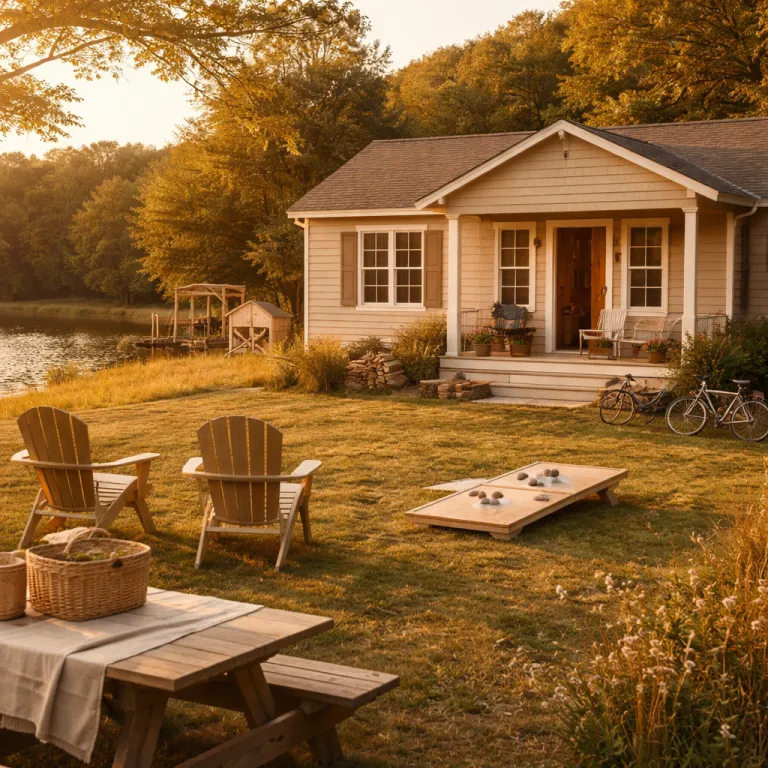
Eco conscious playcations reshape luxury vacation rentals
Summer 2026 vacation rental travel trends are no longer about ticking off capitals. For luxury vacation travelers booking a vacation house, the new status symbol is a character rich property where the garden, the pantry and the recycling station all tell the same sustainability story. Across the United States vacation rental market and other mature regions, demand is shifting toward eco conscious rentals that turn a short term stay into a low impact ritual.
Airbnb, the data provider at the center of these summer travel trends, defines the movement clearly in its report Airbnb 2024 Summer Release: The Rise of Playcation Travel (published May 2024). In the platform’s own words, “What are 'playcations'? Short-haul trips centered on active hobbies like surfing or golfing.” The same release, which compares 2023 and 2024 booking patterns, notes that searches for stays near golf courses and surf breaks grew by more than 15% year over year, while interest in listings with “eco-friendly” in the description rose by approximately 30%. For premium travelers, that means a lakefront vacation rental with solar panels and a heat pump, or a surf shack style villa where greywater systems and native planting are as carefully specified as the wine fridge.
These playcation focused rentals are where the luxury rental market is learning to grow sustainably. Property owners who once chased only design awards now track energy use per guest night as closely as nightly pricing, because eco metrics increasingly shape travel demand among millennial and Gen Z cohorts. Airbnb’s 2024 Sustainable Stays and Responsible Travel spotlight, based on 2022–2023 operational data, includes a Colorado host who describes how installing induction cooktops and smart thermostats cut energy use per booking by almost 20%, while also lifting five star review rates. For couples planning summer travel, the smartest booking strategy is to filter for concrete eco features in each property, then compare how different platforms describe their short term rental sustainability standards.
Eco friendly initiatives are also changing how property managers curate amenities for summer travelers. In the United States and across European markets, high end vacation rentals now advertise induction cooktops, refillable bathroom products and EV chargers as core features rather than optional extras. Airbnb’s 2024 internal amenity analysis, which benchmarks listings against 2019 baselines, shows that properties with EV charging are booked for longer average stays and see noticeably higher search saves. For guests, this means a rental where the terrace for late dinners and the compost caddy by the kitchen sink quietly align with the same low impact philosophy.
Short term luxury rentals near golf courses, national parks and surf breaks are leading this shift. These are the properties where booking windows are stretching as travelers lock in eco credible stays close to their chosen activity. Airbnb’s 2024 Summer Travel Outlook reports that for nature oriented listings, the average booking window has extended to more than 70 days, compared with roughly 50 days for urban stays over the same 12 month period. If you are scanning the rental market for a romantic escape, look for property management notes about local farmers’ markets, walking access and public transport, because those details often signal a genuinely sustainable short term rental rather than greenwashed marketing.
Rural playcations also intersect with pet friendly expectations in a very practical way. Couples who travel with dogs increasingly expect fenced gardens, durable natural materials and clear pet policies that respect local wildlife. A lakeside cabin host in the Pacific Northwest, interviewed in Airbnb’s 2023 Pets in Travel feature, explains that adding secure fencing and wildlife guidance cut pet related incidents by half while boosting repeat bookings. Property managers who invest in these details see their rental trends improve, as repeat guests treat the house as a long term retreat rather than a disposable short break.
For both baby boomers and millennial travelers, this eco conscious playcation model reframes what luxury means in summer. The most coveted vacation rentals are no longer the largest, but the ones where low energy lighting, cross ventilation and shaded outdoor rooms make air conditioning almost unnecessary. In this corner of the vacation rental market, sustainability is not a constraint; it is the design language that makes a property feel quietly, confidently premium.
Couples comparing platforms will notice that Airbnb, Vrbo and specialist luxury agencies now highlight eco labels and carbon data more prominently. Before you complete any booking, read how each property describes its water use, waste systems and local sourcing, because these details often matter more to real comfort than another smart speaker. For a deeper look at how carbon neutral vacation houses are setting new standards without sacrificing comfort, examine this guide on carbon neutral vacation houses and the properties setting standards.
Rural retreats, national parks and the new geography of demand
Airbnb’s latest data confirms what many property managers in rural markets have felt for several year cycles. Travelers are turning away from dense resort strips and toward quiet valleys, lake districts and national park gateways where a single well run vacation rental can anchor an entire trip. This is where summer 2026 vacation rental travel trends become very concrete for anyone choosing a vacation house.
The report Airbnb 2024: New Patterns in Rural and Nature Travel, which compares 2019 and 2023 figures, shows that a striking majority of travelers now express interest in rural getaways, with an even higher share among the youngest age cohorts. Airbnb’s 2024 trends analysis notes that nights booked in rural areas have more than doubled compared with pre 2020 levels, defined in the study as the full 2019 calendar year, and that Gen Z and younger millennial guests account for the fastest growth in this segment. Rural retreats appeal because they combine lower average pricing with richer daily routines, from morning hikes to long dinners on a shaded deck. For couples, that means a chance to book a short term rental where the only evening noise is the grill, the crickets and the argument about who is cooking tomorrow.
National park adjacent rentals in the United States illustrate how sharply travel demand is tilting. Searches for stays near parks such as Great Smoky Mountains, Shenandoah and Grand Teton have climbed by double digit percentages year over year in Airbnb’s 2023–2024 search data, and the best located properties now see booking windows stretch earlier into the year as summer travelers lock in dates. In these pockets of the rental market, eco friendly initiatives are no longer a niche; they are a competitive necessity.
Property owners around these parks are investing in rainwater capture, native landscaping and dark sky compliant lighting to protect the very landscapes that attract guests. For travelers, this means that the most atmospheric cabins and lodges often come with clear guidance on trail etiquette, wildlife respect and low impact campfire rules. When you scan listings, treat this kind of information as a sign of serious property management rather than a set of restrictions.
Rural markets are also where pet friendly policies are being refined most quickly. A well managed vacation rental will balance dog friendly features with strict rules about leashes near livestock and protected habitats, and that balance is becoming a key factor in rental trends. Airbnb’s internal reviews analysis for 2023, which compares properties with and without explicit pet rules, shows that clear pet guidance correlates with higher overall satisfaction scores, especially among repeat guests. Couples who travel with pets should read house manuals carefully, because the best short term rental experiences in the countryside depend on shared responsibility between guests and hosts.
Short haul playcations are reinforcing this rural surge. Many summer travelers now choose a three or four night stay within driving distance, using a single property as a base for golf, cycling or lake swimming rather than chasing multiple cities in one trip. Airbnb’s 2024 mobility snapshot indicates that short haul trips under 500 kilometers now account for a majority of summer bookings in several European and North American markets. For the rental market, this means that short term stays can still feel like a full vacation when the house, the landscape and the activity are tightly aligned.
Regulation is quietly shaping where this demand can grow. In Europe, new data rules and registration systems are changing how platforms operate and how property owners report their activity, which directly affects inventory in historic centers versus rural fringes. Anyone planning a countryside escape in the coming year should understand this evolving rulebook, and a detailed analysis of these changes is available in this guide to Europe’s new rental rulebook and what the EU data regulation changes for vacation house travelers.
For baby boomers seeking quieter landscapes and millennial couples chasing nostalgic destinations, rural retreats now offer a shared middle ground. The same house can host a multi generational vacation where grandparents birdwatch at dawn while younger travelers head out to paddleboard or trail run. In this sense, summer 2026 vacation rental travel trends are less about age brackets and more about a common desire for space, air and a kitchen that opens straight onto the view.
Even global events such as the upcoming FIFA Cup are nudging some demand toward rural bases within reach of host cities. Some travelers prefer to stay in a calm countryside rental and commute to matches, using the property as a restorative counterweight to stadium noise. For luxury guests, that pattern reinforces the value of high quality rural rentals with strong connectivity, reliable property management and clear transport guidance.
Data driven luxury: how travelers and managers are rewriting the rules
Behind the romance of a stone farmhouse or a cedar clad lake house, summer 2026 vacation rental travel trends are being shaped by hard data. Airbnb’s platform level view of booking patterns, combined with the analytics used by specialist agencies, is redefining how property owners, property managers and guests think about value. For couples choosing a vacation house, understanding this data driven shift can mean better stays and fewer surprises.
Across the United States and other mature markets, rental management has become a sophisticated discipline rather than a side activity. Professional property management teams now track booking windows, repeat guest rates and seasonal pricing with the same intensity that airlines apply to seat yield. Airbnb’s own figures in the 2024 Flexible Search and Pricing briefing show that flexible date searches have grown to represent a significant share of platform queries, and that guests using flexible tools often secure lower nightly rates than those searching fixed dates in the same month. This is why you may see the same vacation rental priced very differently across platforms, and why flexible dates often unlock better value for a short term stay.
Rental trends also show a clear divergence between urban and rural inventory. In many cities, tighter rules and higher costs have pushed some short term rental properties back into the long term market, while countryside areas still welcome new eco focused rentals. For travelers, this means that the most interesting summer travel options increasingly sit just beyond the last commuter rail stop rather than in the old town square.
Generational patterns are sharpening this divide. Millennial and Gen Z travelers are driving the rise of playcations, often booking smaller properties with strong Wi Fi, outdoor space and clear sustainability credentials, while baby boomers lean toward slightly larger rentals with easier access and calmer surroundings. Yet both groups respond strongly to transparent pricing, clear house rules and responsive hosts, which is why communication quality now ranks alongside design in guest reviews.
Major events such as the FIFA Cup add another layer of complexity to the rental market. In host and nearby cities, travel demand spikes, pushing up pricing and compressing booking windows for both vacation rentals and traditional accommodation. Airbnb’s 2023–2024 event data shows that in some host regions, average daily rates can jump by more than 30% during tournament weeks compared with the same dates in non event years. Savvy travelers respond by anchoring themselves in nearby rural markets, using a single well located rental as a base for both matches and countryside days.
For property owners, this environment rewards those who treat their house as a long term hospitality project rather than a passive investment. The most successful rentals in this new landscape are those where eco friendly initiatives, thoughtful design and precise guest communication are aligned under professional rental management. Detailed welcome guides, clear recycling instructions and honest descriptions of quirks all contribute to higher ratings and stronger year round demand.
Investors and managers watching where vacation rental growth is concentrating can see that eco conscious, character driven properties are outperforming generic listings. Airbnb’s 2024 market outlook, which tracks revenue and occupancy from 2021 onward, points to continued expansion in rural and nature based categories, while growth in some urban centers remains flat or regulated. A detailed analysis of this shift, including how different markets in the United States and beyond are evolving, is available in this report on where vacation rental growth is concentrating. For travelers, the practical takeaway is simple; follow the data, but choose with your senses.
When you compare rentals across platforms, read past the headline photos and into the operational details. Look for evidence of serious property management, from energy efficient systems to clear pet friendly policies and realistic driving times to key attractions. In the end, the best aligned summer 2026 vacation rental travel trends for couples are those where the numbers, the narrative and the night sky all point in the same quiet, carefully chosen direction.
For those planning ahead, remember that short term flexibility often unlocks the most characterful properties. If your dates, length of stay and chosen market can shift slightly, you gain access to a wider pool of eco conscious vacation rentals that rarely appear in last minute searches. That is where the real luxury now lives; in the house where nobody wants to leave the table when the final evening comes.