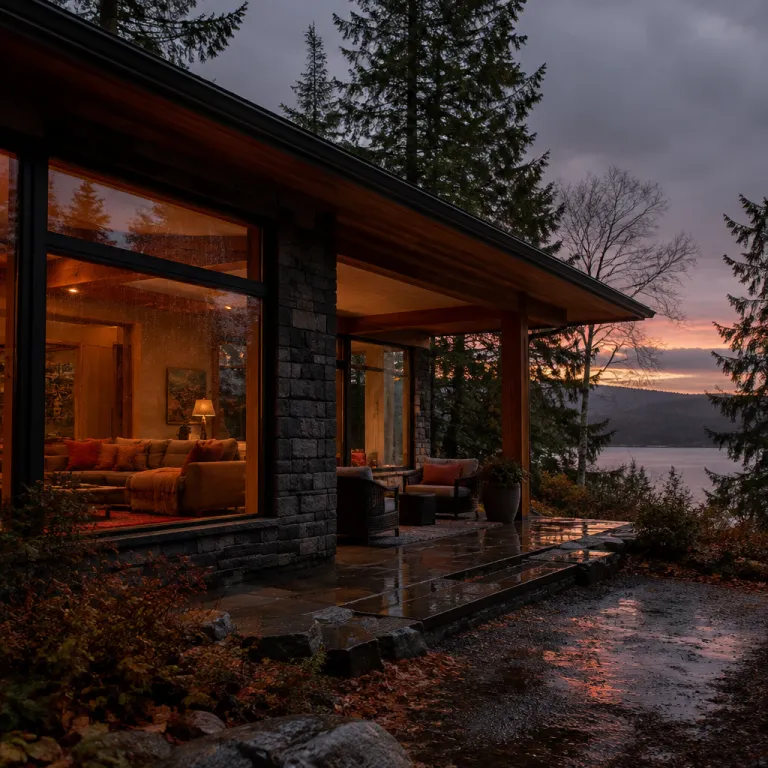
What separates a true winter house from a summer place with a heater
A cold weather vacation house that genuinely works in January starts with a different brief entirely. Instead of chasing the nearest beach, the design asks how the interior will hold you on a long, grey afternoon when the rain hits the glass and the road back to town feels very far away. For a solo traveler or couple, the right winter-ready rental turns bad weather into the main event, not an inconvenience.
Architects who specialise in winter-focused design think first about how each interior space will feel when the temperature drops and daylight shrinks. They often work with climatologists and building-services engineers to create layouts that maximise comfort and warmth, using high-performance double or triple glazing (for example, windows with a U‑value around 1.0–1.3 W/m²K, in line with many northern European low‑energy standards), thick insulation and underfloor heating so the property stays warm without constant fuss. In colder regions, walls and roofs often aim for an overall R‑value in the range recommended for local energy codes, which helps the house retain heat even during prolonged freezes. This is why experts say, without hedging, that “What defines a winter-friendly vacation house? Strong insulation, good glazing, layered lighting and robust heating systems.”
When you scroll through listings, treat this as your complete guide to reading between the lines of a cold season retreat. Look for phrases that signal a well designed winter shell, such as mention of south-facing windows, modern heating systems like air-source heat pumps or efficient wood stoves, and durable finishes that handle wet boots and snow. A house that is built for the colder months will advertise its insulation and energy performance, not just its summer deck, because the interior design is carrying the experience when the weather closes in.
The difference becomes obvious in the living room, which should be the emotional centre of any serious winter property. In a summer house, the main room often empties as everyone drifts outside, but in a winter-ready space the living room is where you want to stay for hours. When a listing shows a generous room with layered lighting, deep furniture and a visible stack of firewood beside a stove or fireplace, you are looking at a space designed for long evenings rather than quick showers between swims.
Pay attention to how each room is described, because language reveals priorities. If the host talks about cross-breezes and pool proximity but never mentions how warm the cabin-style interior stays in January, you are probably seeing a summer-first design. For a genuinely cozy winter rental, you want to hear about heating controls in every room, double glazing, and how the atmosphere changes when the first snow arrives.
The design language of the grey season: dark walls, soft light, tactile comfort
Cold season interior design has its own vocabulary, and it is very different from the white-on-white summer look that dominates coastal listings. In a serious winter vacation rental, you will often see darker walls, natural materials and soft furnishings that add texture and depth instead of bouncing every ray of sun. This is the aesthetic that makes a cold weather hideaway feel like a refuge rather than a showroom.
Think of the living room as a stage set for the colder months, where lighting, sound and touch all work together. A well designed space will use layered lighting rather than relying only on harsh overhead fittings, combining floor lamps, wall sconces and candle-level glow to create warmth when the sky turns slate grey at four in the afternoon. When you compare properties, the ones that get rebooked every season tend to understand this mood, which is why guides to high performing vacation houses always highlight atmosphere as much as amenities.
Look closely at photographs to see how the interior design handles texture. A winter-ready cabin will usually add richness through wool throws, heavy linen curtains, timber ceilings and stone or wood floors softened by thick rugs. These choices make each room feel grounded and warm, especially when paired with a fireplace or stove that anchors the space like a quiet companion.
Furniture tells another part of the story, because winter is when you really test how a sofa or armchair performs. In a true cozy cabin-style property, the furniture is deep, soft and generous, with enough seating that guests are not fighting for the only comfortable spot near the fire. When you see a simple bench and a few hard chairs in the main room, you are probably looking at a summer-focused property that will not reward long winter evenings.
Colour and material palettes also signal whether a space was created for the perfect winter stay or just dressed for photographs. Natural materials such as oak, wool, leather and stone age gracefully through the season, while thin synthetic finishes can feel cold and flat when the light drops. When a host talks about how the mood of the space shifts with the winter light, you can usually trust that the interior has been considered beyond a single season.
Orientation, volumes and the rooms that hold you when it rains
Orientation is the quiet hero of any cold weather vacation house, especially in mountain regions or lakeside valleys. South-facing glazing pulls in low winter sun, turning a living room into a passive heater that makes the entire space feel more generous. When you read a listing, look for mention of mountain views framed by large windows, because that usually means the architect has thought about how you will spend long hours indoors.
Volume matters just as much as view, since a room that is too tall or too open can be difficult to heat and hard to make cozy. A well designed winter property balances generous ceilings with zones that feel intimate, often using partial walls, bookcases or changes in floor level to create smaller pockets within a larger space. This is the kind of thinking you will find in serious architecture features about dark walls and warm textures in contemporary villas, where the focus is on how people actually inhabit a room when the weather turns.
The kitchen deserves special attention, because in a winter-focused vacation rental it becomes the social engine of the house. Look for an interior where the kitchen opens into the main living room, with enough seating and soft furnishings that guests can linger while someone cooks. When the property description mentions a large table, good task lighting and views out to snow or rain, you can almost feel the evenings stretching ahead in the best possible way.
Bedrooms in a cold season retreat should feel like cocoons rather than corridors. Thick curtains, upholstered headboards, soft rugs and layered lighting all help the room feel warm even before you turn up the thermostat. If the photographs show bare windows, thin duvets and a single overhead fitting, you can safely assume the colder months were not the priority during design.
Do not forget circulation spaces, because hallways and entry zones shape your first and last impressions every time you come back from the outside. A simple, well organised mudroom with storage for boots, coats and fireplace wood will quietly transform your stay, keeping the main interior clean and calm. When a host takes time to describe this space, it signals a property that has been created for real winter use, not just for a few sunny weekends.
Fire, light and sound: the sensory script of a winter ready house
In a winter-focused vacation rental, the fireplace is not a decorative extra but a central character. Whether it is a traditional wood-burning hearth, a modern sealed stove or a high-efficiency gas insert, the presence of real flame changes how the entire interior feels. You will notice that the most sought-after cozy cabin-style properties always show the fire lit in their photographs, because they understand that this is what guests are really booking.
Lighting then writes the rest of the script, especially during the shorter days of winter. A well designed vacation house will use layered lighting to move you gently from morning clarity to evening softness, combining ceiling lights with table lamps, wall lights and even candles. When you arrive after dark, this approach can make the space feel instantly warm, which is why guides to the architecture of arrival place so much emphasis on that first five minutes.
Sound is the quiet sense that many listings ignore, yet it defines how a room unfolds over time. Thick curtains, upholstered furniture and soft furnishings do more than add texture visually, because they also absorb echo and make conversation easier. When you are choosing a cold season retreat, look for clues that the property has been insulated not only for heat but also for acoustic comfort.
Heating systems are another non-negotiable part of the sensory experience, especially in remote cabins or mountain properties. Ask hosts directly how the interior design supports comfort and warmth, whether through hydronic underfloor heating, radiators in every room, programmable thermostats or smart controls you can adjust from your phone. A property that is genuinely built for the colder months will have clear answers about how quickly the space warms up and how evenly the heat is distributed.
Finally, consider how the house frames the outside world when the weather is at its worst. Large windows that capture mountain views or forest scenes can make a storm feel like theatre, especially when you are wrapped in a blanket near the fire. The best winter-focused vacation homes turn the sound of rain on the roof into part of the ambiance, so that staying in feels like the most luxurious choice you could make.
How to read listings and what to ask hosts for a perfect winter stay
Booking a winter-ready vacation house starts with learning to read listings like an architect, not just a traveler. Scroll past the drone shots and look first at the interior, asking yourself whether each room invites you to linger for hours. If the gallery is dominated by terraces and pools, you are probably not looking at a property that will reward a week of grey skies.
Photographs should show how the living room, bedrooms and kitchen work together as a winter sequence. Look for images taken during the colder months, with lamps on, blankets visible and perhaps even a lit fireplace, because these details reveal how the interior design performs when the sun disappears. When a host includes close-ups of natural materials, soft furnishings and reading corners, you can usually trust that the property was created with long stays in mind.
Before you book, send a short, precise list of questions about winter comfort to the host. Useful points to cover include how quickly the property will heat up after you arrive, whether every room has controllable heating and how the insulation handles wind or snow. It is also worth asking about the supply of fireplace wood, the type of heating system and whether there is any remote monitoring in place to protect the house during vacancy, because these details signal a serious approach to winter readiness.
For a romantic getaway or solo retreat, ask specifically about lighting and sound. A host who can describe the layered lighting plan, the quality of the ceiling fixtures and the way the room’s mood changes through the day is usually someone who has invested in thoughtful interior choices. If they mention dimmers, reading lamps and blackout curtains unprompted, you are probably looking at a well designed cold season property.
Finally, consider how the house will support your daily rituals during a perfect winter week. Is there a comfortable chair by a window with mountain views, a table with good task lighting for writing or reading, and a kitchen that makes slow cooking feel like part of the vacation rather than a chore? When a vacation rental can answer yes to these questions, you have likely found the kind of property that gets better with every grey day, turning the colder months into the most memorable part of your travel calendar.
FAQ
How can I tell if a vacation house is truly winter ready?
A winter-ready vacation house will advertise insulation, modern heating and double or triple glazing, not just scenic terraces. Look for mention of underfloor heating, south-facing windows and a reliable supply of fireplace wood in the listing description. If the host can explain how quickly the interior warms up and how each room is heated, you are usually in safe territory.
What interior design features matter most for a cozy winter rental?
The most important features are layered lighting, comfortable furniture and generous use of natural materials such as wood, wool and stone. A good cold weather retreat will also include thick curtains, soft rugs and plenty of blankets to add texture and warmth. When these elements are combined with a central fireplace and thoughtful room layouts, the whole space feels inviting during the colder months.
Are dark walls a good idea in a winter focused vacation house?
Dark walls can work beautifully in a winter-focused property when they are balanced with warm lighting and soft furnishings. They help a large room feel more intimate, especially in the living room where you spend long evenings. The key is to pair them with natural materials and multiple light sources so the space never feels flat or gloomy.
What should I ask a host before booking a remote winter cabin?
Ask about heating capacity, road access in bad weather and how the property is maintained between guest stays. It is also wise to ask about insulation, protection for water pipes and whether there is any remote monitoring to prevent freezing issues. Clear, confident answers usually indicate a property that has been designed and operated with winter in mind.
Why do some vacation houses feel cozier than others in cold weather?
Houses that feel cozier in cold weather usually combine good architecture with thoughtful interior design. Strong insulation, well placed windows and efficient heating create a stable base, while furniture, textiles and lighting shape the emotional experience. When all these layers work together, the result is a vacation rental that genuinely improves as the weather turns grey.