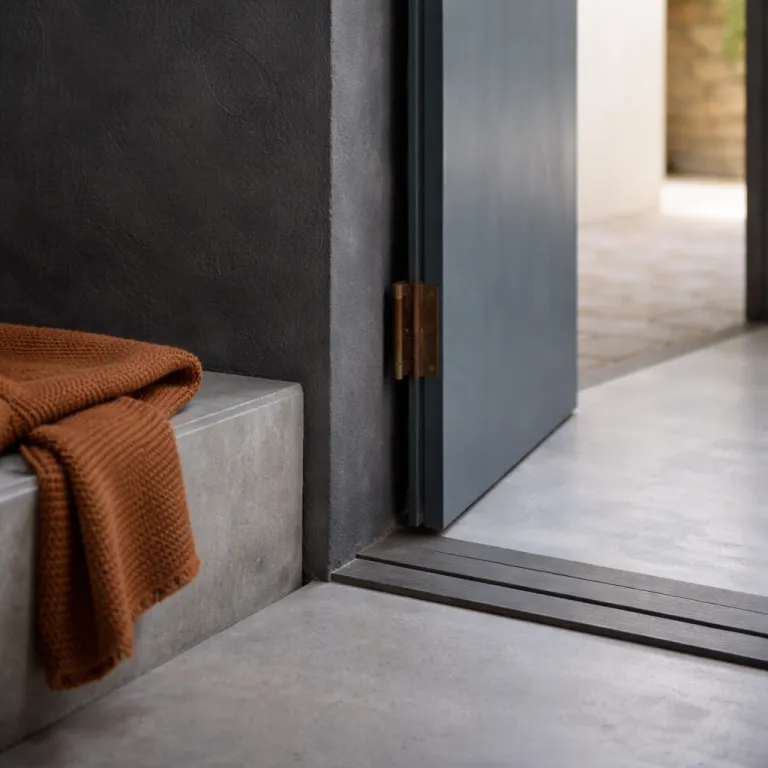
From bright and airy to moody living: why atmosphere wins
The most interesting luxury villas are turning away from bright, white interiors. Curated hosts now lean into moodier vacation villa design as a deliberate choice that favors atmosphere over quick scrolling appeal. This shift values how a living space feels at midnight with one light on, not how it performs in a thumbnail view.
Interior designers working on high end vacation homes describe moody interiors as a balance between dark color, layered light and tactile materials. A 2024 trend report from WGSN on residential interiors defines this look as “use of dark colors, rich textures, and ambient lighting,” noting that these schemes are increasingly favored in premium hospitality projects. That sentence could be a manifesto for the new generation of villas where every room, from the living room to the smallest bedroom, is treated as a deep, cinematic space rather than a neutral backdrop.
When you browse listings, pay attention to how the interior design handles contrast between darker walls and softer light sources. A genuinely moody living room will often use natural wood or warm wood on floors and ceilings to add warmth so the space feels cocooning rather than heavy. Look for photos shot close to the coffee table, along an open plan axis, and from a seated eye level at night; these angles reveal whether the space feels intimate after dark or only looks good in full daylight.
This aesthetic backlash against the all white look is not about rejecting modern style but about refining it. The most successful moody modern villas borrow from mid century interiors, using low slung furniture, sculptural lamps and dark palettes that make the space feel grounded. For a traveler, the result is a house that feels more like a private residence than a rental, where decor choices encourage you to linger, read, cook and talk long after the sun has gone down.
Reading listing photos for mood, not just for the view
Most travelers still start with the view, then the pool, then the price. If you care about sophisticated, atmospheric villa interiors, you should reverse that order and read the rooms first, because the way the inside feels will shape every hour you are not outdoors. A dramatic sea view loses its charm quickly if the living room feels flat, overlit and echoing.
Begin with the walls: are they pure white, or do you see darker tones, plaster textures, or deep greens and blues that signal moody design intent? Check how the light falls across surfaces in both day and night shots, because this style depends on layered lighting rather than a single overhead glare. If the listing shows only wide angle, overexposed photos, ask the host for close images of the main room, the coffee table area, the sofa corner and any open plan kitchen living zone to understand the real ambience.
Pay attention to furniture scale and how the space is arranged around it. A moody living room that works will have seating pulled close together, often around a substantial coffee table, so conversations feel natural and the layout feels considered rather than improvised. When the plan leaves furniture floating far apart, the room feels transient, and even dark color on the walls cannot fully add warmth or intimacy.
For travelers who like a refined coastal escape, compare how moody modern interiors are handled in different climates. An elegant penthouse for rent in Miami with a restrained palette and warm wood details will feel very different from a mountain villa in Aspen or the Dolomites with darker stone and natural wood beams, yet both can follow similar style guides. Use these comparisons to train your eye so you can spot when a host has simply followed design trends versus when an interior designer has crafted a genuinely atmospheric space.
Materials, light and the tactility of moody modern villas
The most convincing examples of contemporary moody villa design share a quiet obsession with materials. Instead of glossy surfaces, you will see natural wood, hand finished plaster, linen and stone that make the interior feel textured under both hand and foot. This tactility is what keeps a dark palette from feeling heavy or oppressive.
Look for interiors where warm wood runs along floors, ceilings or built in furniture, because this instantly adds warmth to darker schemes. When timber is paired with deep color on the walls and soft pools of light, the overall mood becomes enveloping, like a favorite bar or library. Designers such as Kelly Wearstler, Studio KO or Rose Uniacke often use mid century inspired pieces in these rooms, since their low profiles and clean lines keep moody interiors from tipping into clutter.
Lighting is the quiet hero of this approach, and you should study it carefully in every room. A thoughtful interior will combine wall lights, table lamps and concealed strips so each space can shift at various times of day, from the open plan living room to the most private bedroom. If you only see a single ceiling fixture in photos, expect the atmosphere to be flatter and less adaptable when you arrive.
Many of the most interesting villas now fold biophilic design into their moody modern schemes. Instead of the old indoor outdoor cliché, you might find a shaded terrace framed by darker stone, or a bathroom where plants, natural wood and deep tiles create a spa like interior design language that still reads as dark and dramatic. For a deeper dive into how this works in practice, look at our guide to the villa that speaks in biophilic design, which shows how greenery and shadow can share the same space without competing.
How to choose a moody villa that still feels like a holiday
Not every dark interior is automatically atmospheric, and not every moody design suits a vacation. When you evaluate a dramatic, low lit villa, ask whether the rooms feel like somewhere you would happily spend a rainy day, not just a backdrop for one photo. The right balance of deeper tones, open plan flow and thoughtful decor will make staying in feel as appealing as going out.
Start with the living room, because this is where most evenings will unfold. A successful moody living space usually has seating arranged close together, a generous coffee table and enough layered light to shift from reading to late night drinks without the room feeling either too bright or too dim. If the styling seems to prioritize props over comfortable furniture, expect the experience to be more theatrical than genuinely relaxing.
Bedrooms in moody interiors should feel cocooning rather than cramped. Look for deep color on at least one wall, warm wood or natural wood at the headboard, and bedside lamps that cast a soft, darker pool of light instead of a harsh beam. When these elements align, the room design supports slow mornings, afternoon naps and late night reading without the interior ever feeling heavy.
Finally, consider how the villa’s style guides your daily rituals. A well resolved moody modern interior will make the kitchen inviting enough that people naturally gather there, even if the main view is in the living area, and the overall atmosphere will encourage long dinners and lingering conversations. For families or groups, our feature on family villas where children are guests, not afterthoughts shows how atmospheric interiors can still be practical, with durable materials and layouts that keep everyone close without sacrificing elegance.
Working with designers and platforms that understand moody interiors
Behind every convincing example of a dark, cinematic vacation home sits a small ecosystem of professionals. Interior designers, architects, lighting specialists and furniture makers collaborate to shape interiors where every room, corridor and terrace has a clear role in the guest experience. As a traveler, you benefit when owners invest in this level of design literacy rather than treating decor as an afterthought.
Some owners now partner with online design services such as Decorilla, or with studios like Roman and Williams or Studio McGee, to refine their moody schemes before a single wall is painted. These collaborations often focus on getting the balance right between deep palettes and the amount of natural light each space receives, so the ambience remains comfortable throughout the day. When you see Decorilla or a named studio credited in a listing, it usually signals that the interiors follow coherent style guides rather than a random collection of design trends.
Specialist booking platforms for luxury vacation homes are also learning how to present moody interiors honestly. Instead of over brightening photos, the better platforms show how the space looks in real conditions, with shadows, pools of light and close shots of materials that reveal texture. This transparency helps you judge whether a mid century inspired living room with darker walls and warm wood details will feel welcoming to you personally, or whether you prefer a lighter, more open plan interior.
When in doubt, ask hosts direct questions about the interior design choices. Request extra photos of the living room at night, ask whether the walls are painted in deep tones or lighter neutrals, and clarify how many independent light sources each main space has so you can avoid rooms that are either too gloomy or too exposed. Owners who have worked closely with professional designers are usually proud to talk about these details, and their answers will tell you more about the true mood of the villa than any single hero shot of the view.
FAQ
What defines a moody interior in a vacation villa ?
A moody interior in a vacation villa relies on dark colors, rich textures and layered lighting to create an intimate atmosphere. Designers use deep tones on walls, warm wood or natural wood finishes and multiple light sources so each room can shift from day to night without feeling heavy. The goal is a mood that is cocooning and expressive rather than neutral or purely minimal.
Why are moody interiors becoming popular in luxury vacation homes ?
Moody interiors are gaining ground in luxury vacation homes because travelers increasingly value character and comfort over generic brightness. Deep palettes, mid century inspired furniture and tactile materials make the villa feel more like a private residence than a rental, which supports longer stays and repeat visits. Industry analyses from firms such as AirDNA and Skift have linked this shift to higher booking rates for properties where interior design clearly prioritizes guest experience.
How can I tell from photos if a villa’s dark design will feel welcoming ?
Look for images that show both daylight and evening conditions, with close shots of the living room, coffee table area and any open plan spaces. If you see darker walls balanced by warm wood, soft pools of light and seating arranged close together, the overall mood is likely to be inviting rather than austere. Avoid listings where dark paint is combined with sparse furniture and a single overhead light, because those interiors can feel more theatrical than comfortable.
Do moody interiors work in sunny destinations, or only in colder climates ?
Moody interiors can work beautifully in both sunny and colder destinations when handled with care. In bright climates, designers often temper the light with deep colors, natural wood and shaded terraces so the interiors feel cool and calm after hours in the sun. In cooler regions, darker palettes paired with layered lighting and textured materials create a warm retreat where the villa feels protective and grounded.
Should I worry that a dark moody villa will feel too small or oppressive ?
A well designed dark moody villa should feel intimate, not cramped. When designers balance deep color with open plan layouts, reflective surfaces and multiple light sources, the sense of space remains generous even with darker walls. If you are unsure, ask the host for extra photos and floor plans so you can judge how the interiors, windows and lighting work together before you book.