Biophilic design vacation house villas as the new luxury benchmark
A biophilic design vacation house villa is no longer a niche experiment; it is fast becoming the quiet benchmark for serious travelers. At its core, biophilic design means design that connects people with nature, and in a luxury villa this connection with nature is expressed through every surface, threshold, and view. When you scroll through listings, look for properties where architecture, landscape, and living areas read as one continuous space rather than separate zones.
The most compelling examples treat the villa as a living organism within its natural environment, not a sealed object dropped into a postcard landscape. Architects such as Formafatal in Costa Rica (for example, the concrete-and-timber Atelier Villa in Playa Hermosa, completed in 2019) or LIBRA Architekci in Europe (known for houses that open to gardens with deep terraces, such as their 2017 Garden House near Warsaw) show how modern architecture can frame nature with generous overhangs, shaded terraces, and open floor plans that slide into gardens and green spaces. These are the kinds of spaces where biophilia is not a buzzword but a design driver, and where your daily living area feels tuned to daylight, breeze, and the surrounding environment.
Evidence from environmental psychology now backs what frequent travelers have long felt intuitively. For instance, a synthesis by Browning, Ryan, and Clancy in the Terrapin Bright Green report 14 Patterns of Biophilic Design (2014) summarizes multiple studies showing stress reductions in nature-connected environments, while a controlled experiment by Yin, Arfaei, MacNaughton, Catalano, Allen, and Spengler in Building and Environment (2018, vol. 136, pp. 20–27, doi:10.1016/j.buildenv.2018.03.040) found significantly lower salivary cortisol levels after time spent in nature-rich interiors. That is a meaningful difference when you are using a villa stay to decompress from city life and modern living. For a booking platform focused on luxury and premium vacation homes, highlighting this evidence is not marketing spin but a way to help you select a property that will genuinely support rest, focus, and slower travel rhythms.
Reading architecture, light, and materials in villa listings
When you evaluate a biophilic vacation house or coastal villa online, start with the architecture before you fall for the swimming pool or the view. True biophilic architecture uses natural materials, natural light, and passive ventilation to create comfortable living spaces that respond to the local climate. You are looking for architecture design that feels rooted in its place, whether that is a clifftop Bali villa, a Maui oceanfront house, or a forest retreat in northern Europe.
On a listing page, scan the photos for stone, timber, and limewash rather than plastic composites and synthetic finishes that age badly in a coastal environment. In a refined oceanfront escape such as many Kihei villa rentals for modern living, note how folding doors open natural breezes into the main living area, and how an open floor plan allows light to travel deep into the house. Look for concrete details in the description, such as operable windows on at least two sides of the main rooms for cross-ventilation, roof overhangs of roughly 60–90 centimeters or more for passive shading, or high-performance glazing with clearly stated solar heat gain coefficients that limit overheating. These are not aesthetic details only; they are signals that the property has been designed as a sustainable, eco friendly space that will feel comfortable without aggressive air conditioning.
Pay attention to how the villa mediates between interior and exterior, because that is where biophilic design either succeeds or fails. Covered terraces, screened porches, and outdoor kitchens extend living areas into gardens and green spaces, turning thresholds into social rooms. When a property description mentions cross ventilation, shaded verandas, and orientation to sunrise or sunset, you are usually looking at a house shaped by its natural environment rather than by generic real estate formulas.
Interior atmospheres: from white boxes to moody, natural sanctuaries
Inside a biophilic design vacation house villa, the shift away from glossy minimalism is immediate and calming. Current interior thinking, echoed in forecasts from design publications, favors curated calm over superficial opulence, with warm, dark, expressive interiors replacing the old white cube aesthetic. For you as a guest, that means tactility, layered lighting, and a living area that feels more like a well loved home than a staged property.
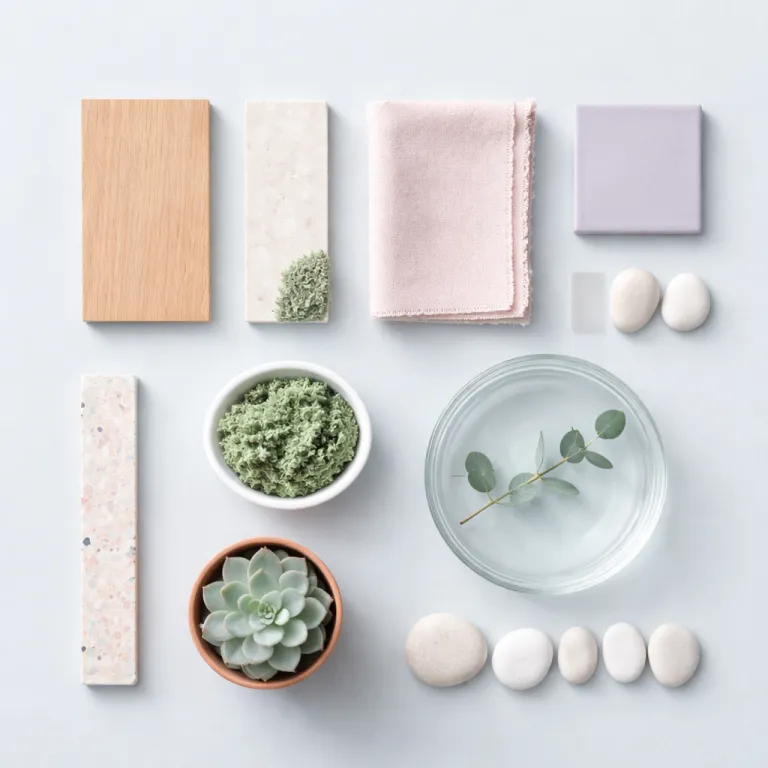
Look for interiors where modern design is softened by natural materials such as local stone, reclaimed timber, woven grasses, and clay plaster that regulate humidity. In a refined Caribbean escape, for example, many elegant villas in Antigua balance deep color palettes with generous natural light, so the living spaces feel cocooning by night yet open, natural, and airy by day. When textiles, ceramics, and art culture references are sourced from nearby makers, the house becomes a quiet primer in local culture rather than a generic backdrop for social media.
Biophilia is not only about adding plants, although well placed indoor trees and hanging gardens can transform a space. It is about orchestrating a subtle connection with nature through views, textures, and sounds, from the rustle of palms outside the bedroom to the echo of waves in a semi open bathroom. When you see layered lighting, deep window seats, and furniture arranged to face both the fireplace and the landscape, you are looking at modern living that understands how people actually inhabit space on a slow travel holiday.
Landscape, water, and the wider environment around your villa
The land around a biophilic design vacation house villa is not an afterthought; it is half the experience. Gardens, orchards, and green spaces shape how you move through the property, where you read in the afternoon, and how you gather at dusk. A thoughtfully planted Bali property or Mediterranean estate will use native species that thrive in the local climate, reducing irrigation needs and supporting the surrounding environment.
Water is another key element, and not only in the form of a dramatic swimming pool for social media photos. The best villas integrate water into their architecture design with reflecting ponds, rills, or plunge pools that cool the air and create a soft soundscape around outdoor living areas. When a listing mentions wetlands restoration, rainwater harvesting sized to capture a substantial share of roof runoff, or natural filtration for the pool using planted regeneration beds instead of chemicals, you are seeing sustainable thinking that goes beyond the usual eco friendly label.
Context matters as much as the property boundary, especially if you are escaping a dense city for a week of slower travel. A house that sits within a protected natural environment, near walking trails or quiet beaches, will support daily rituals that keep you outside and moving. When browsing curated collections such as Sardinian villas to rent for a refined Mediterranean escape, pay attention to how each villa description situates the house within its wider landscape, not just its distance from the nearest restaurant.
From Bali to the city: how to choose and what to ask
Biophilic design is global, but its expression in a Bali villa will differ from a townhouse in a northern city or a lakeside house in Canada. In Bali, volcanic stone, carved timber, and open natural pavilions blur the line between living spaces and gardens, while in colder climates architects such as Dubbeldam Architecture + Design use glazed courtyards to pull nature into compact urban plots. The common thread is a deliberate connection with nature that respects local culture, climate, and building traditions.
When you are shortlisting properties on a luxury booking platform, read beyond the headline amenities and into the architecture and interior details. Ask hosts or property managers about natural ventilation, shading, and how the house performs across seasons, because these factors affect both comfort and energy use in a sustainable, eco friendly way. Serious operators will be able to explain how natural materials, passive design strategies, and green spaces have been integrated into the real estate from the earliest design stages.
If you want to bring some of this thinking home after your trip, start small and practical. Experts often answer the question of how to begin by saying very simply; Use natural materials and maximize natural light. Whether you live in a compact city apartment or a detached house, those two moves nudge your own living area toward the same calm, health focused modern living you experienced in a well considered biophilic design vacation house villa.
FAQ
What is biophilic design in a vacation house or villa ?
Biophilic design in a vacation house or villa is design that connects people with nature through architecture, materials, light, and landscape. In practice, this means natural materials, generous natural light, views of gardens or green spaces, and layouts that encourage you to move easily between indoor and outdoor living areas. A true biophilic design vacation house villa feels physically comfortable and mentally restorative because it is tuned to its natural environment.
Why choose a biophilic design vacation house villa over a conventional property ?
Choosing a biophilic design vacation house villa can significantly improve your sense of rest and well being during a trip. Research cited in environmental psychology, including work summarized by Terrapin Bright Green and peer reviewed studies on nature exposure, shows a measurable reduction in stress levels in biophilic environments, which aligns with the goal of most holidays. Compared with a conventional property that relies on sealed interiors and artificial light, a biophilic villa offers fresher air, more engaging spaces, and a closer connection with nature throughout your stay.
How can I tell from photos if a villa really follows biophilic principles ?
Photos of a genuine biophilic design vacation house villa will show natural materials such as stone and timber, abundant natural light, and strong visual links to gardens or the surrounding landscape. Look for open floor plans that extend toward terraces, covered outdoor rooms, and planting that feels integrated rather than decorative. If every image shows closed windows, heavy curtains, and synthetic finishes, the property is unlikely to offer a deep connection to its natural environment.
Is biophilic design only relevant for rural or Bali style villas ?
Biophilic design is just as relevant in a dense city as it is in a Bali villa or coastal retreat. Urban architects use courtyards, roof gardens, and large operable windows to bring nature into compact plots, while interior designers rely on natural materials and layered lighting to soften modern living spaces. Whether the property is a Bali property near the Bali market or a townhouse in a northern capital, the goal remains the same; to create living areas that keep you visually and physically connected to nature.
How can I bring biophilic ideas from my villa stay into my own home ?
After staying in a well designed biophilic design vacation house villa, start by increasing natural light at home and reducing visual clutter. Introduce more natural materials underfoot and at hand, such as timber, wool, and stone, and add plants in places where you naturally pause, like the kitchen or workspace. Over time, these small shifts can echo the calm, grounded feeling you experienced in a villa where architecture, gardens, and daily living were closely intertwined.
