Why locally designed vacation house artisan interiors feel different
A locally designed vacation house with artisan interiors feels instantly grounded in place. When architects and interior designers collaborate with nearby craftspeople, the result is a series of homes where every room quietly tells you why you travelled here. That sense of narrative is what separates a generic rental from a house you still talk about years later.
Across the most interesting vacation homes, locally influenced architecture and handcrafted interiors start with design that listens to the land. On Martha’s Vineyard, for example, modern houses that use local stone and timber read as part of the coastline rather than objects placed on it, and this kind of sustainable thinking is now standard among serious design lovers. The same philosophy appears in cabins and large family houses in regions such as the American Midwest, where reclaimed wood, regional stone and carefully framed outdoor views shape how each living room, bedroom and kitchen actually feel in daily use.
Travel data shows that a growing majority of guests now seek unique accommodations rather than anonymous spaces. Industry surveys of luxury rentals consistently report that most respondents prefer distinctive, one-of-a-kind stays over standardised hotel-style rooms, while travel research on experiential stays notes a marked increase in demand for interiors that highlight local sourcing and craftsmanship. Both trends are clearly visible in the way premium vacation homes are furnished. When you book a locally designed vacation house with artisan interiors, you are not only choosing a style; you are also supporting local economies, preserving regional architecture and giving yourself a better story to bring home.
How to read interiors like an insider before you book
Start your tour of any listing by ignoring the view for a moment and looking closely at the furniture and finishes. Genuine artisan-furnished vacation homes rarely rely on chain store pieces; instead you will see ceramics, textiles and lighting that clearly come from local makers rather than a global catalogue. When a house description mentions named architects or interior designers with a track record in the region, you already have a strong signal that design has been treated as a serious discipline, not an afterthought.
Zoom in on the living room and great room images and ask yourself three questions. First, does the interior design show a coherent style that relates to the region, whether that is sculpted brickwork, patterned façades or decorative timber ceilings that echo current architecture trends toward ornamentation? Second, do you see eco friendly materials such as reclaimed wood, natural stone and woven fibres that suggest sustainable sourcing rather than disposable décor? Third, is the space genuinely light filled, with large sliding doors or indoor outdoor transitions that make sense for a summer climate?
Then move to the dining room, open plan dining combinations and any nook kitchen or room kitchen arrangements. In the best homes, the kitchen and dining areas are designed as social stages where local food and wine feel at home, and you may even find a small cabin style annex with its own family room for quieter evenings. For a refined example of how a riverfront property can balance modern architecture with warm, locally influenced interiors, study the way an elegant condo with river view on a curated platform uses custom joinery, regionally made furniture and layered lighting to show how even a compact square foot plan can feel generous when the main content of the design is crafted around light, tactility and regional character.
From bedroom to great room: what hyper local design looks like in practice
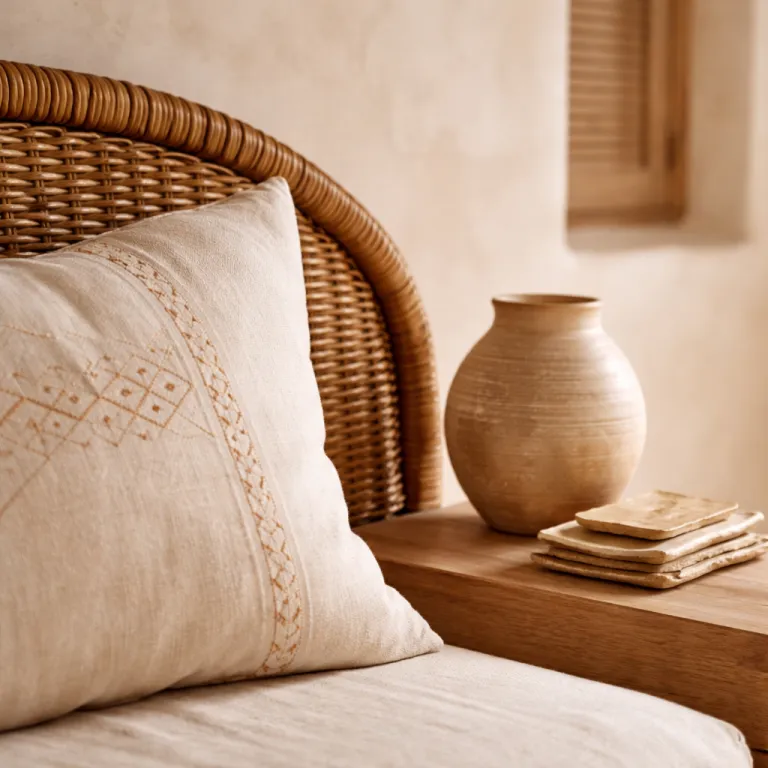
Once you arrive, the difference between a generic rental and a locally designed vacation house with artisan interiors becomes obvious in the first bedroom you open. Bedside tables might be carved from regional timber, textiles could reference local patterns, and the light itself may filter through shutters or screens that echo traditional architecture. These details are not decoration; they are the way a house quietly introduces you to its country, its climate and its craftspeople.
Look at how the great room, family room and living room connect to the kitchen and dining room, because this is where most couples actually spend their evenings. In a well considered house, the room kitchen relationship is choreographed so that whoever is cooking still shares the same view, the same conversation and the same summer breeze as the person pouring wine at the dining table, and indoor outdoor transitions are handled with large sliding doors that erase the boundary between terrace and interior. Lakeside properties and coastal retreats that prioritise light filled spaces, artisan stonework and country beautiful landscaping show how the shoreline or garden can feel like part of the living area.
Regional craft traditions add another layer of memory. Moroccan zellige tiles in a bathroom, Japanese joinery in a timber cabin, Portuguese azulejo in a stairwell or Balinese carved stone in an outdoor shower all anchor the house in its specific geography, and they often come from local artisans whose workshops you can visit during your travel. For couples planning a romantic escape, curated guides to planning a romantic vacation in cities such as Charleston with luxury vacation homes are useful because they highlight properties where every square foot has been considered, from the smallest nook kitchen to the most dramatic light filled stair hall. As many interior designers note in project interviews, when every surface tells a local story, guests feel like they are living in the place, not just passing through it.
Memory, materials and why artisan detail matters to guests
Neuroscience research into travel suggests that unfamiliar materials, layouts and sensory cues help create stronger memories. A locally designed vacation house with artisan interiors leverages this by surrounding you with textures, colours and patterns that you do not see at home, whether that is volcanic stone underfoot, reclaimed wood beams overhead or hand thrown ceramics in the kitchen. The result is that even simple rituals, like making coffee in the morning or reading in a quiet room, become part of a vivid mental album.
Architects and interior designers working in this way often speak about “architectural integration”, meaning that materials mirror the local geography rather than fight it. In coastal houses, for instance, glass, timber and stone can be used to frame the landscape so precisely that the main content of your stay becomes the changing light, while in forest cabins, sustainable strategies are woven into modern forms that still feel rooted in their setting. On the interiors side, designers who specialise in regionally expressive homes curate spaces where the family room, bedroom and kitchen share a consistent language of local textiles and eco friendly finishes, making the whole house feel like a single, thoughtful gesture.
For guests, this attention to material and craft has practical benefits as well as emotional ones. Floors made from reclaimed wood feel warmer under bare feet, thick masonry walls keep a bedroom cool in summer, and well placed windows create light filled corners that reduce the need for artificial lighting during the day. When you choose homes that foreground locally crafted, artisan led interiors, you are also choosing better thermal comfort, quieter rooms and a more sustainable footprint without sacrificing modern comfort or style.
How to choose and book a truly local artisan home
On a premium booking platform, the first step is to filter for homes that explicitly mention locally designed vacation house artisan interiors, sustainable materials or collaboration with local artisans. Read the property descriptions carefully and treat them as more than marketing; the best hosts will reference named architects, specific craftspeople or recognisable regional techniques such as zellige, azulejo or traditional joinery. When you see vague phrases about “stylish décor” without any detail, you are probably looking at a globalised aesthetic rather than a genuinely local house.
Next, study the photo sequence as if you were taking a private tour. Does the architecture show a clear relationship between indoor outdoor spaces, with large sliding doors, shaded terraces and a logical flow from living room to dining room to kitchen, or does it feel like a standard plan dressed up with accessories? Pay attention to how many images are devoted to the great room, family room and nook kitchen areas, because hosts who understand design lovers will make these social spaces the visual focus rather than hiding them behind generic bedroom shots.
Finally, cross reference what you see with your own travel priorities. If you value eco friendly design, look for mentions of reclaimed wood, local stone and sustainable systems, and do not hesitate to ask the host about the square foot size of key rooms so you can judge whether the proportions will feel generous for two people. For couples who enjoy urban stays as much as coastal retreats, curated selections of elegant villas in destinations such as Antigua for a refined Caribbean island escape show how a consistent philosophy of local sourcing can apply equally to a city condo, a lakeside cabin or a country beautiful farmhouse. When you learn to read listings through this lens, the “skip main” impulse disappears, because the main content of your search becomes the quiet luxury of a house that could only exist in one place.
FAQ about locally designed vacation house artisan interiors
What defines an artisan interior in a vacation house ?
What defines an artisan interior? Interiors featuring handcrafted, locally sourced materials. In practice, this means furniture, textiles, ceramics and architectural details created by craftspeople who live and work in the same region as the house. When you see this level of detail across the living room, bedroom, kitchen and dining room, you are likely looking at a genuinely locally designed vacation house with artisan interiors.
Why choose a locally designed vacation house instead of a standard rental ?
Why choose locally designed vacation homes? To experience authentic regional culture and support local artisans. These homes typically offer stronger connections between architecture and landscape, more sustainable material choices and interiors that feel specific rather than interchangeable, which makes your travel experience more memorable. You also help sustain local economies by directing your spending toward craftspeople, designers and construction teams rooted in the area.
How can I find vacation homes with artisan interiors on booking platforms ?
How to find vacation homes with artisan interiors? Search for properties highlighting local craftsmanship in their descriptions. Use filters and keywords related to sustainable design, reclaimed wood, local stone, named architects or interior designers, and then verify the claims by studying photos for evidence of hand made pieces, regional patterns and thoughtful indoor outdoor connections. When in doubt, message the host with specific questions about materials, square foot dimensions and the involvement of local artisans.
Are locally crafted interiors always more sustainable ?
Locally crafted interiors are not automatically sustainable, but they often have a smaller environmental footprint than imported, mass produced furnishings. When a house uses reclaimed wood, regional stone and locally made furniture, it reduces transport emissions and supports repairable, long lasting pieces rather than disposable décor. Look for explicit mentions of eco friendly practices, such as energy efficient systems and durable natural materials, to ensure that sustainability is part of the design, not just the marketing.
Do artisan focused homes work for both small cabins and large properties ?
Yes, the same principles apply whether you are booking a compact cabin or a large country beautiful estate. In smaller homes, artisan details in a nook kitchen, family room or bedroom can make every square foot feel intentional, while in larger houses the great room, dining room and outdoor terraces become stages for regional craft on a grander scale. The key is coherence; from the main content spaces to the quiet corners, the design should feel like a single, locally rooted story.
References
Travel + Leisure, coverage of luxury rentals and what high-end travelers want now, including trends in vacation rentals, architecture, localization and sustainability.
Dezeen, editorial coverage of current architecture and interior design trends, including the return of ornamentation and regionally expressive façades.
Skift Research, reporting on the rise of experiential stays, travel industry analysis and interior design trends related to unique accommodations and locally sourced interiors.