Why a european wedding belongs in a private vacation house
A european wedding feels different when it unfolds inside a private villa rather than a conventional event space. Across europe, weddings hosted in luxury vacation houses allow the bride and groom to turn the entire property into a living backdrop for their story, from the ceremony lawn to the poolside reception. This shift from traditional wedding venues to design led homes gives you more control over capacity, accommodation, and the flow of guests throughout the wedding day.
Many couples planning a destination wedding in europe now prefer a house that feels like a lived in home, where real weddings can stretch from an intimate welcome dinner to a late brunch the next morning. When you reserve a private villa as your wedding venue, you are not just renting walls and a garden; you are securing a complete accommodation site that can host family, friends, and even the officiant under one roof. This creates a relaxed, small intimate atmosphere where guests mingle naturally, and the wedding planner can choreograph every movement between ceremony, reception, and traditions without transport logistics.
Typical european wedding budgets for about 100 guests often reach tens of thousands of euros, so using a vacation property as both venue and accommodation can be a strategic way to concentrate value. Industry surveys from european wedding planners frequently cite average per guest costs in the €250 to €400 range for full service celebrations, which quickly adds up for larger gatherings. A house with generous capacity accommodation lets you invest more in décor, local cuisine, and cultural details instead of paying for separate venues and hotels. For couples who love design, this also means choosing a european style wedding venue whose architecture and interiors already match their aesthetic, reducing the need for heavy styling.
Cultural design influences in european style vacation houses
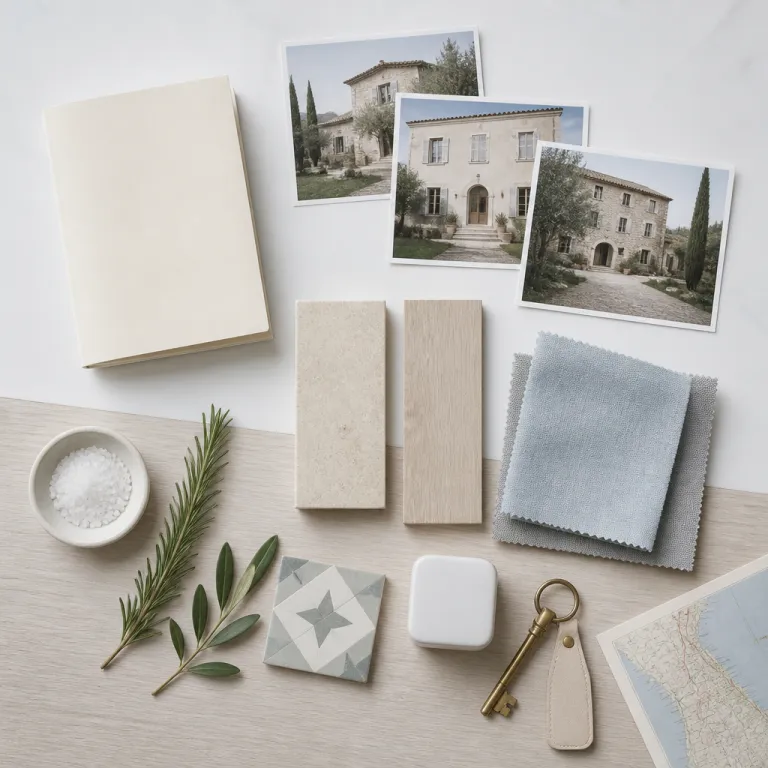
Every region in europe shapes its vacation houses with distinct cultural design influences that can define your european wedding aesthetic. In south France, for example, a private villa might feature pale limestone, lavender framed terraces, and shuttered windows that create a soft, intimate wedding atmosphere. In italy, a restored farmhouse or hillside property often blends terracotta floors, exposed beams, and olive groves, giving your style wedding a rustic yet elegant character.
Spain and portugal bring different textures to destination wedding design, with whitewashed walls, patterned tiles, and shaded courtyards that keep guests comfortable in the heat. Around barcelona spain, estates such as Sant Llei and Mas Sant Lleí show how Catalan architecture, stone façades, and manicured gardens can transform wedding venues into cinematic settings for both ceremony and reception. Venue fact sheets for these estates typically list event capacities of 80 to 250 guests, with separate figures for indoor halls and outdoor terraces, which helps couples match the property to their guest list. When you browse a luxury accommodation site, look closely at interior photos and floor plans to understand how these cultural details will frame your wedding day, from the aisle to the dance floor.
Design quality matters as much as location, especially when you want your european wedding photos to feel timeless rather than generic. Before booking, study how local artisans furnished the house, how materials age, and how light moves through the rooms during the day. For a deeper look at how craftsmanship and layout affect your celebration, review guidance on hyper localized villa design and artisan furnished interiors, then match those insights to your chosen wedding venue. As one experienced planner notes in industry interviews, “Couples remember how a house felt at sunset more than any single décor item,” so use design details to support the mood you want.
Matching venue capacity and accommodation to your guest list
Choosing the right capacity for your european wedding starts with a realistic guest list and a clear vision of intimacy. Many weddings across europe still host around 100 people, yet a growing number of couples now prefer a small intimate celebration with 30 to 60 guests. A private villa or countryside house can be ideal when its capacity accommodation aligns with both sleeping arrangements and comfortable reception layouts.
When you evaluate wedding venues on a luxury booking platform, look for transparent details about maximum guests for the ceremony, seated dinner, and any indoor backup spaces. Capacity is not only about how many chairs fit on a terrace; it also concerns how many people the property can host overnight in proper accommodation, including accessible rooms for older family members. A well chosen wedding venue will state capacity accommodation clearly, allowing your wedding planner to design seating charts, ceremony layouts, and flow between spaces without last minute compromises.
To make this practical, create a simple capacity checklist: total guest count, on site beds, nearby overflow options, parking spaces, and transport plans for anyone staying off site. Add exact figures where possible, such as “80 ceremony guests, 60 seated dinner places, 24 on site beds, 10 additional guests in nearby villas,” so decisions stay grounded in real numbers. If you are planning multiple events such as a rehearsal dinner, ceremony, and farewell brunch, ensure the venue and surrounding properties can handle changing capacity needs while preserving an intimate wedding atmosphere.
From spain to portugal and south France: regional villa styles for weddings
Across spain, portugal, italy, and south France, regional architecture gives each european wedding destination its own visual language. In barcelona spain and its surrounding hills, estates like Sant Llei and Mas Sant Lleí combine historic stonework, Mediterranean gardens, and panoramic terraces that work beautifully for outdoor weddings. These venues often include chapels or ceremony platforms on site, letting the bride and groom move seamlessly from vows to reception without leaving the property.
Portugal offers a different mood, with private villa rentals along the Algarve coast or in the Douro Valley featuring azulejo tiles, ocean views, and terraced gardens. Many of these houses are ideal for a small intimate destination wedding, where guests can enjoy both the pool and nearby beaches over several days. Italy and south France, by contrast, lean into vineyard lined estates and hilltop farmhouses, where a european style wedding unfolds among cypress trees, stone courtyards, and candlelit loggias.
When comparing these regions on a luxury accommodation site, pay attention to climate, travel connections, and local wedding planner networks. A property in rural italy might offer extraordinary scenery but require more logistics for guests, while a venue near barcelona spain could balance beauty with easier access. To understand how design quality and layout will affect your celebration beyond the photos, consult expert advice on what listing photos will not reveal about a vacation house before you commit. Many planners recommend requesting sample timelines and floor plan diagrams from venues so you can see how a ceremony, cocktail hour, dinner, and dancing might realistically unfold across the property.
Practicalities: byo alcohol, pet friendly stays, and planning support
Luxury vacation houses used as wedding venues often come with flexible policies that can significantly shape your budget and guest experience. Some properties allow byo alcohol, which lets you curate regional wines and spirits while controlling costs, whereas others require you to use in house bar services. When reviewing venue details, ask whether byo options extend to both the wedding day and any additional events, and whether corkage fees apply.
Pet friendly policies are another decisive factor for many couples who love to include their dog or cat in the ceremony. A pet friendly private villa can host not only your human guests but also four legged family members, provided you respect rules about indoor areas and gardens. Clarify with the accommodation site whether pets are allowed during all parts of the wedding, including the ceremony, reception, and overnight stays, to avoid last minute restrictions.
Working with an experienced wedding planner who knows european wedding regulations and local vendors will simplify everything from permits to décor. Planners familiar with destination wedding logistics in europe can coordinate catering, music, and transport while you focus on personal touches. They also help integrate cultural traditions into the ceremony and reception, using the house and its grounds creatively so that every corner of the property supports your intimate wedding vision. A typical planner led timeline for a villa wedding might include a late morning setup, an afternoon ceremony, golden hour portraits, a sunset dinner, and dancing until the early hours, all staged in different parts of the house.
Honouring european wedding traditions in a vacation house setting
Hosting your european wedding in a vacation house does not mean sacrificing cultural depth or family rituals. Across europe, couples weave traditions such as German Polterabend style gatherings, French Croquembouche towers, or Italian confetti sugared almonds into relaxed, house based celebrations. The key is to use the property’s different spaces to stage each moment, from a courtyard for pre wedding games to a terrace for the cake ceremony.
Remember that a wedding ceremony is both a legal union and a public commitment, with the officiant, bride and groom, and guests all playing defined roles. According to expert guidance from european celebrants, “Traditions vary by country; examples include the Polterabend in Germany and the Croquembouche in France,” and many of these customs adapt well to private villas. When you plan your wedding day timeline, consider how these traditions will move through the house, ensuring there is enough capacity and accommodation for everyone to participate comfortably.
Destination weddings in private villas also allow for eco friendly choices, such as reusing ceremony flowers at the reception or sourcing décor from local artisans. Because ceremonies and receptions often span a full day, with some celebrations lasting multiple days, a well designed house helps guests relax between formal moments. By aligning your chosen venue, cultural details, and guest experience, you create real weddings that feel both authentically european and deeply personal.
Key figures for european wedding planning in vacation houses
- Typical wedding budgets in europe for a full celebration with venue, catering, and décor often reach several tens of thousands of euros, which helps couples benchmark costs when comparing private villa rentals and traditional venues.
- Many weddings across europe still welcome around 100 guests, so couples choosing a small intimate european wedding in a vacation house often host significantly fewer guests to enhance connection and comfort.
- Ceremonies and receptions for a typical european wedding often span a full day, with some celebrations lasting multiple days, which makes on site accommodation a practical priority for both the bride and groom and their guests.
- Using a single property as both accommodation and wedding venue can reduce transport needs for up to 100 guests, improving logistics and lowering the environmental impact of a destination wedding.
FAQ about european weddings in luxury vacation houses
What makes a european wedding in a vacation house different from one in a traditional venue ?
A european wedding in a private villa or vacation house turns the entire property into a multi day setting for ceremony, reception, and relaxed gatherings. Guests share common spaces like pools, terraces, and lounges, which encourages deeper connection than a time limited event hall. This format also lets you integrate regional architecture and cultural design influences directly into your wedding style.
How long do european weddings in private villas usually last ?
Many european weddings hosted in vacation houses unfold over several days, starting with a welcome dinner and ending with a farewell brunch. The core wedding day often spans from a late morning ceremony to an after midnight party, using different areas of the house throughout. Some couples extend their stay to turn the destination wedding into a short holiday with close family and friends.
How should I choose capacity and accommodation for my guest list ?
Begin with a clear estimate of how many guests will attend and how many need on site accommodation. Look for properties that state both event capacity and sleeping capacity, then share these details with your wedding planner to design layouts and room allocations. If your european wedding guest list exceeds the house capacity, consider nearby villas or small hotels and arrange coordinated transport.
Can I include local traditions when I marry in another european country ?
Yes, destination weddings in europe are ideal for blending your own customs with local traditions from the host country. Work with a wedding planner and officiant who understand regional practices, then adapt them to the spaces available in your chosen house. Simple touches such as local desserts, music, or symbolic rituals can make your european wedding feel both respectful and unique.
Is a pet friendly private villa suitable for an intimate wedding ?
A pet friendly private villa can be perfect for a small intimate wedding if you confirm rules about indoor access, gardens, and ceremony areas. Many couples appreciate having their pets present for photos or ring bearing roles, especially in relaxed house settings. Always check cleaning fees, leash requirements, and any restrictions on where animals can be during the wedding day events.
