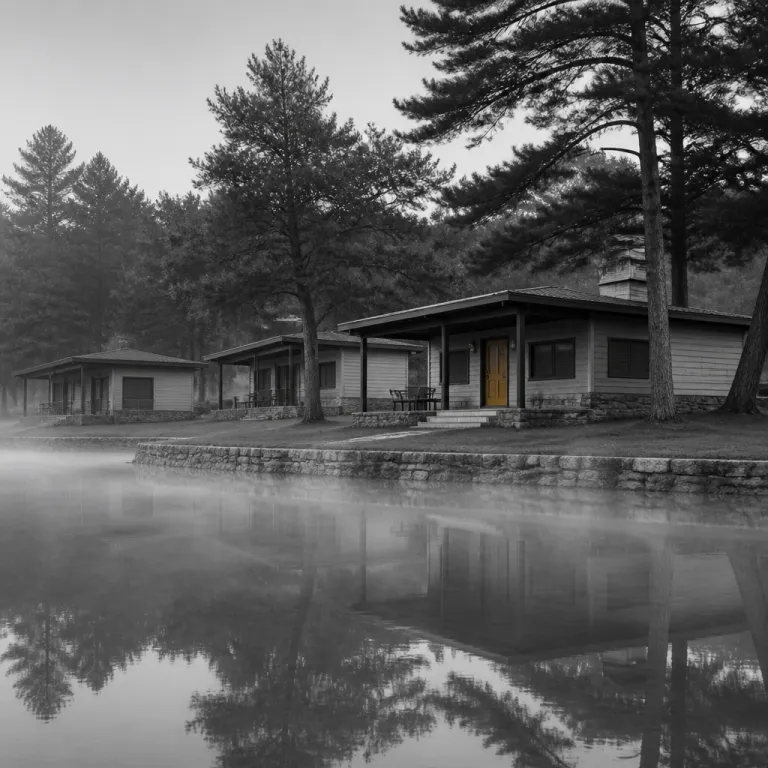
Why wellness now means sleep first in luxury vacation houses
Wellness used to mean a massage table by the pool, now the true luxury is a wellness vacation house sleep quality retreat design that lets you fall asleep easily and wake up clear. In the United States, business leisure travelers quietly rank deep rest above almost any amenity, and the properties that understand this are reshaping wellness tourism around darkness, cool air, and quiet rather than just spa menus. When people book a high end vacation house for a week long stay, they are really booking a private wellness retreat where their nervous system can finally stand down.
Architects and owners across several states are treating sleep as a design brief, not an afterthought, and that shift is changing how wellness retreats and ordinary rentals are planned. Hidden Valley house in Moab by Marmol Radziner Prefab, Four Eyes House in California’s Coachella Valley by Edward Ogosta Architecture, and the Firelight Cabins at Shope Creek in North Carolina by Rusafova Markulis Architects all show how darkness, passive cooling, and sound control can work together to support health and wellness. These projects sit firmly inside the united field of wellness tourism, yet they feel like private sleep retreats rather than programmed meditation retreats with name tags and scheduled activities.
For you as a guest, this means reading listing reviews differently and asking sharper questions about sleep quality, not just about views or pools. A modern wellness retreat experience in a vacation house should promise cool, silent bedrooms, clean air, and lighting that respects your circadian rhythm, because these elements regulate the nervous system more reliably than any scented candle. When you choose a wellness vacation house sleep quality retreat design that prioritizes rest, you are effectively booking a personal sleep retreat that works year round, whether your stay is a single day retreat between meetings or a longer escape with family.
Circadian lighting and blackout engineering as the new sleep amenities
The most forward thinking wellness retreats now start with light, because your body clock is the quiet guest in every room. In a serious wellness vacation house sleep quality retreat design, circadian lighting systems shift color temperature from cool, alert tones in the day to warm, melatonin friendly light at night, while blackout engineering keeps stray beams from street lamps or early sun from breaking your sleep. This is where a wellness retreat stops being a vague idea and becomes a precise retreat experience that helps participants fall asleep at the right time, even after crossing several time zones.
Look for listings that mention layered window treatments, integrated blackout blinds, and dimmable warm spectrum fixtures in every bedroom, not just in the main suite. In the best sleep retreats, bedrooms face away from the harshest united states sunlight, and designers use deep overhangs or recessed windows so that people can rest well without relying only on heavy curtains. These details matter more than a long list of meditation retreats or yoga meditation classes, because they protect your nervous system from the constant micro jolts of unwanted light during the night.
Digital detox focused properties often pair this lighting strategy with strict screen policies, which is where a curated digital detox stay becomes a powerful kind of sleep retreat. When blue light from devices is reduced in the evening, circadian lighting can do its work, and guests in these wellness retreats report richer sleep experiences and calmer mornings. If you value health and wellness more than late night scrolling, choose a wellness vacation house sleep quality retreat design that treats light as medicine and darkness as a core amenity, not an afterthought.
Cool air, clean lungs: passive cooling and air quality as quiet luxuries
Temperature and air quality rarely headline a listing, yet they quietly decide whether your wellness retreat feels restorative or restless. Environmental building research shows that passive cooling strategies can reduce indoor temperatures by around 5 degrees Fahrenheit, which in a wellness vacation house sleep quality retreat design often means you can sleep well under a light blanket instead of wrestling with noisy air conditioning. When the air feels cool, still, and clean, your nervous system reads the space as safe, and deep rest follows.
Architects like Marmol Radziner Prefab and Rusafova Markulis Architects use cross ventilation, thermal mass, and carefully placed openings so that air moves through a house without mechanical roar. These passive cooling techniques are defined as methods that cool buildings without mechanical systems, using design strategies, and they pair beautifully with energy efficient systems that only whisper when they run. In Firelight Cabins, for example, natural ventilation designs and sustainable materials work together so that guests in these wellness retreats can fall asleep to crickets rather than compressors, which is a very different retreat experience from a standard rental.
For travelers, the checklist is simple but non negotiable if you care about health well outcomes. Ask whether each bedroom has an independent thermostat, whether windows can be opened safely for fresh air, and whether filtration systems are specified, because these details influence both sleep retreats and everyday stays. A wellness vacation house sleep quality retreat design that respects air, temperature, and silence will serve you well whether you are on a short day retreat after meetings or a week long wellness retreat with friends who care about plant based cooking and long, slow mornings.
Acoustic design and the architecture of quiet
Silence is not an accident in the best wellness retreats, it is engineered. Acoustical research indicates that proper soundproofing can cut external noise by around 50 percent, and in a wellness vacation house sleep quality retreat design that difference is the line between shallow dozing and real sleep. When a house is oriented away from roads, fitted with triple glazed windows, and buffered by landscape, guests experience a kind of urban or rural quiet that feels almost like a silent meditation retreat.
Projects such as Four Eyes House in the Coachella Valley show how room placement can shield bedrooms from social zones, so late night conversations never bleed into spaces meant for rest. In the Firelight Cabins, cabins are staggered along Shope Creek so that people hear water and wind rather than their neighbors, which turns each cabin into a private wellness retreat even when the property is fully booked. This is acoustic design as wellness tourism, where the absence of mechanical noise at night becomes the main amenity rather than an invisible extra.
When you read reviews, scan for mentions of road noise, thin walls, or barking dogs, because these are red flags for any serious sleep retreat. A true wellness vacation house sleep quality retreat design will often highlight quiet hours, minimal mechanical systems, and even sound healing sessions that happen early in the evening so participants can wind down before bed. If you want a retreat experience that feels almost like the best meditation retreats, choose properties where the loudest sound at night is a distant river or the soft hum of the united states desert wind.
Why sleep focused houses earn loyalty and premium rates
Cleanliness remains the most visible driver of satisfaction, yet sleep quietly decides whether guests return. The Alchemer study on vacation rentals found that cleanliness is the number one driver of positive stays at 63 percent, but frequent travelers consistently report that waking up genuinely rested is the unspoken reason they rebook the same wellness retreat or vacation house. When a wellness vacation house sleep quality retreat design delivers both spotless spaces and deep rest, people treat it as their private sleep retreat and return year round.
Owners who invest in darkness, cool air, and quiet often see stronger reviews that mention rest, calm, and reduced stress rather than just décor. Over time, these properties become informal wellness retreats where regular guests build their own rituals, from morning yoga meditation on the terrace to evening plant based dinners that support health and wellness. Some hosts now curate week long sleep retreats or shorter day retreat formats, layering in optional meditation, sound healing, and digital detox guidelines so that participants can reset their nervous system without the formality of organized wellness retreats.
For a deeper look at how technology is reshaping this space, read about the AI driven evolution of vacation house bookings and how smarter search surfaces sleep friendly features. As platforms improve, you will be able to filter for wellness vacation house sleep quality retreat design elements such as blackout shades, sound ratings, and air quality systems as easily as you filter for pools. The houses that already behave like a quiet wellness retreat will rise to the top, because repeat guests vote with their bookings and their detailed reviews about how well they could fall asleep and stay asleep.
How to read listings like a sleep architect
Most listings still lead with pools and views, so you need to read between the lines. Start by scanning floor plans and photos to see how far bedrooms sit from kitchens and terraces, because a true wellness vacation house sleep quality retreat design keeps sleeping zones away from late night social noise. If the listing includes dimensions, aim for bedrooms large enough to allow free airflow around the bed, ideally with windows on two walls for cross ventilation and better rest.
Next, interrogate the details that signal a serious wellness retreat mindset rather than a marketing flourish. Mattress brands, pillow menus, blackout curtains, and independent thermostats are all clues that the owner understands sleep retreats and has invested accordingly, while vague mentions of “cozy rooms” often mean very little. When hosts describe their property as a place for meditation retreats, yoga sessions, or a digital detox, ask how these experiences are supported in the architecture, not just in the house rules.
Finally, look for language that connects the house to nature in a practical way, not just in poetic phrases. A wellness vacation house sleep quality retreat design that is integrated with its landscape will use natural materials, passive cooling, and quiet outdoor spaces where people can practice yoga meditation or sit in silent reflection before bed. For more on how vacation houses are becoming personal sanctuaries, explore this guide to wellness focused personal retreats and apply the same lens when you choose your next sleep retreat or wellness retreat.
From architecture to daily rituals: making the most of a sleep centric stay
Even the best designed wellness vacation house sleep quality retreat design needs your cooperation to work fully. Treat your stay as a gentle wellness retreat by setting a simple rhythm for each day, with early light exposure outdoors, movement, and then a long, screen free wind down before bed. When people align their habits with the house’s design, they often experience deeper rest than they thought possible in the united states travel context.
Many high end vacation houses now offer optional wellness retreats in residence, from informal yoga sessions to structured week long sleep retreats with guided meditation. These retreats offer participants a framework that includes plant based meals, sound healing in the early evening, and silent reading hours so the nervous system can reset. In this context, the house becomes more than accommodation, it becomes a living wellness retreat experience that you can return to year round whenever stress peaks.
Remember that passive design and soundproofing are only part of the equation, as one expert summary puts it clearly : “How does soundproofing enhance sleep? Reduces external noise, creating a quieter environment conducive to sleep.” Use that quiet to your advantage by turning your bedroom into a personal sleep retreat, keeping devices out, dimming lights early, and letting the architecture hold you. When you combine a thoughtful wellness vacation house sleep quality retreat design with simple rituals, even a short day retreat between meetings can feel like a full reset for your health and wellness.
Key figures shaping sleep centric vacation house design
- Passive cooling strategies in well designed vacation houses can reduce indoor temperatures by around 5 degrees Fahrenheit compared with similar homes that rely only on mechanical cooling, according to Environmental Building News, which directly supports better sleep quality in warm climates.
- Soundproofing materials and acoustic design can cut external noise by roughly 50 percent, based on data from the Acoustical Society of America, and this level of reduction is often the difference between a light doze and deep, uninterrupted sleep during a wellness retreat.
- Cleanliness drives 63 percent of positive guest stays in vacation rentals, according to an Alchemer study on traveler preferences, yet guest reviews frequently highlight feeling well rested as the main reason they return to the same sleep retreat style property.
- Architect led projects such as Hidden Valley house in Utah, Four Eyes House in California, and Firelight Cabins in North Carolina demonstrate a multi state trend toward integrating passive cooling, sound control, and natural landscapes, which collectively enhance wellness tourism focused on rest.
- Design teams working on these wellness retreats typically collaborate with local construction firms, environmental consultants, and interior designers to balance sustainability, health, and guest experience, showing that sleep centric design is now a multidisciplinary priority.
FAQ: sleep, wellness, and vacation house design
What are passive cooling techniques in vacation houses ?
Passive cooling techniques are methods that cool buildings without mechanical systems, using design strategies such as cross ventilation, shading, thermal mass, and careful window placement. In a wellness vacation house sleep quality retreat design, these techniques keep bedrooms comfortably cool at night with less noise from air conditioning. The result is a quieter wellness retreat where guests can fall asleep more easily and stay asleep longer.
How does soundproofing improve my sleep during a stay ?
Soundproofing reduces external noise by using dense materials, insulated walls, and high performance windows to block or absorb sound. In a sleep retreat or wellness retreat, this means traffic, voices, and mechanical hum are kept out of the bedroom, allowing the nervous system to relax fully. Guests often report that this engineered quiet is what turns an ordinary rental into a true wellness vacation house sleep quality retreat design.
Why do architects integrate vacation houses with nature for wellness ?
Architects integrate vacation houses with natural landscapes to enhance relaxation, reduce stress, and promote environmental harmony. When a wellness retreat is oriented toward views of desert, forest, or water, and uses natural materials, people tend to breathe more deeply, move more slowly, and rest more completely. This connection to nature supports both health and wellness, making the house feel like a personal sleep retreat rather than just a place to stay.
What should I check in a listing if I care most about sleep ?
If sleep quality is your priority, look for mentions of blackout curtains, quiet or rural locations, independent thermostats, and high quality mattresses in the listing. Reviews that praise silence at night, cool bedrooms, and restful experiences are strong indicators of a wellness vacation house sleep quality retreat design. Properties that describe themselves as suitable for meditation retreats, yoga sessions, or digital detox stays often pay closer attention to these details.
Are wellness focused vacation houses only for long retreats ?
Wellness focused vacation houses work for both short and long stays, from a single day retreat between meetings to a week long sleep retreat with friends or family. Because the architecture itself supports rest through darkness, cool air, and quiet, you benefit from the design even on a brief visit. For frequent travelers across the united states, returning year round to the same wellness retreat style house can become a reliable way to reset health and wellness without committing to formal wellness retreats.