The new luxury: eco friendly vacation rental claims under the microscope
Luxury travelers now expect every vacation rental to promise an eco friendly experience. The language around sustainability, eco design, and green comfort has become so common that it is hard to tell which sustainability efforts are real and which are just polished claims. If you care about sustainable travel and want to avoid greenwashing, you need a methodical way to verify what sits behind the words before you send a deposit.
On premium booking platforms, you will see phrases like eco friendly villa, carbon neutral hideaway, or sustainable vacation house repeated across listings. Some companies back those claims with audited environmental data, while other companies rely on vague terms about green values and friendly intentions. The challenge for eco conscious travelers is to separate genuine climate action from greenwashing tourism that uses the right vocabulary but delivers very little measurable impact.
Think of each listing as a set of testable statements about sustainability, energy use, and tourism impact. A serious vacation rental company will explain how it reduces carbon emissions, manages water, and sources renewable energy on site. A host engaged in long term climate action will also describe how the property supports the local community and protects the environmental quality of the place you have chosen for your next term rental escape.
From self declared green to certified: a hierarchy of proof
When you evaluate eco friendly vacation rental claims and try to verify whether they are credible or just greenwashing, start by ranking the strength of evidence behind each statement. Self declared sustainability is the weakest level, where a company simply states that its homes are green, eco conscious, or energy efficient without any third party review. Audited properties sit in the middle, where an independent consultant has checked carbon data, energy performance, and environmental practices but has not issued a formal label.
The strongest level is third party certification, where recognized organizations such as Green Key, EarthCheck, Green Globe, LEED, or B Corp have assessed the vacation rental or the parent company. These certifications usually require detailed reporting on carbon emissions, renewable energy use, waste, and water, and they often demand continuous improvement in sustainability efforts over the long term. To verify a claim, you can search the certifier’s official database and confirm that the property, company, or collection of hotels actually appears there.
One expert answer from the certification field is blunt about this step: “How can I verify a property's eco-certification? Check the certifier's official database for the property's listing.” That same logic applies when a host claims to run a carbon neutral villa or an energy efficient short term rental in a fragile tourism region. Before you book, treat every green statement as a hypothesis and use the certifier’s tools, the property website, and serious booking platforms that highlight verified sustainable travel partners to see what is real.
For travelers who want deeper detail, look for properties that explain whether they rely on carbon offsets or on design choices that reduce emissions from the start. A house built with passive cooling, thick insulation, and on site renewable energy will usually have a lower carbon footprint than a similar hotel that simply buys offsets at the end of the year. As a simple benchmark drawn from passive house and net zero energy building studies, a well insulated three bedroom home with rooftop solar can often cut grid electricity use by roughly 40–60 percent compared with a conventional building in the same climate. Public guidance from certifiers such as LEED and BREEAM, and research by bodies like the International Energy Agency, provide the underlying performance ranges that support this kind of estimate and show what best practice looks like in real life.
Reading between the lines: what real sustainability looks like on site
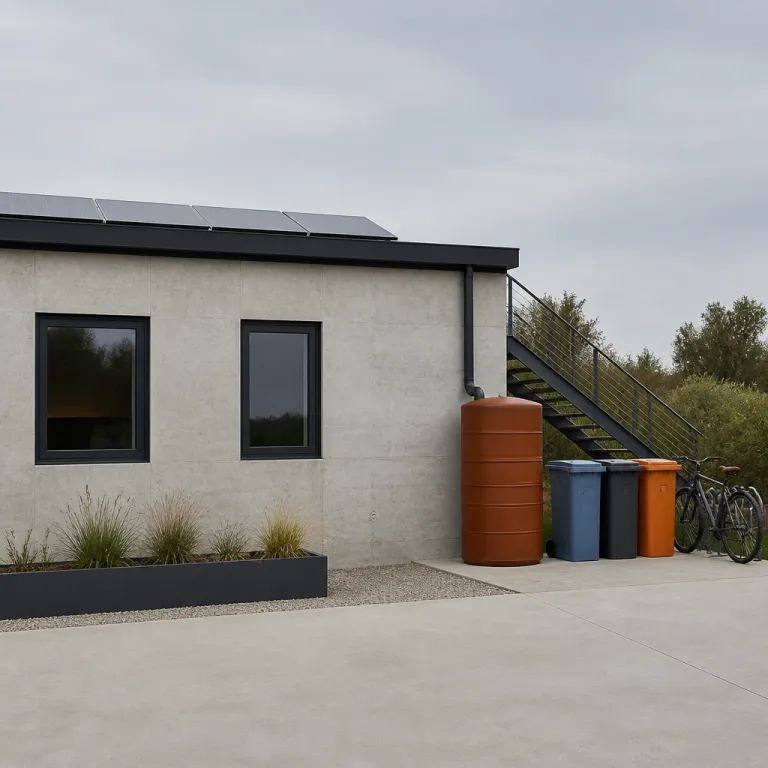
Once you have checked certifications, the next step in any eco friendly vacation rental greenwashing review is to examine the physical reality of the house. Genuine sustainable properties usually show their environmental thinking in visible ways, from solar panels and rainwater collection to native planting and low energy lighting. If a listing talks about eco friendly design but every photo shows manicured lawns, bright uplighting, and a large heated pool, you should question the true impact.
To make this easier, use a simple verification checklist. Look for specific references to renewable energy systems, such as rooftop solar, geothermal heating, or small wind turbines that reduce dependence on fossil fuels, and ask whether the vacation rental uses energy efficient appliances, induction cooktops, and modern insulation to cut energy demand before it turns to carbon offsets. In water stressed regions, serious sustainability efforts often include greywater recycling, low flow fixtures, and landscaping that respects local climate realities rather than importing thirsty plants from other tourism markets.
Waste and sourcing tell another part of the story, especially in luxury term rental properties where consumption can be high. A host who cares about sustainable travel will describe composting, recycling, and food waste programs, as well as partnerships with local farmers, artisans, and conservation groups. For example, a coastal villa that diverts 70 percent of its waste from landfill and sources most fresh produce from nearby farms has a very different footprint from a similar home that sends everything to the dump and imports food by air. For a deeper sense of how environmental pressures are reshaping standards, read independent analyses of water scarcity and vacation houses from organizations such as the UN World Tourism Organization or the European Environment Agency, then compare those benchmarks with the claims in your chosen listing.
Asking better questions: how to avoid greenwashing before you book
For solo travelers who value independence, the most powerful eco friendly vacation rental greenwashing verification tool is a short list of precise questions. Hosts who take sustainability seriously usually welcome detailed queries about energy, carbon, and environmental practices, because they have invested time and money in those systems. Evasive or generic answers, by contrast, are a warning sign that the green language in the listing may be more marketing than substance.
Start with energy and carbon by asking how the property is powered, how it manages heating and cooling, and whether it tracks its emissions over the long term. Clarify whether any carbon neutral claim relies mainly on carbon offsets or on actual reductions through energy efficient design, renewable energy, and careful operations. Ask about water use, cleaning products, and waste management, and request examples of concrete sustainability efforts such as refillable amenities, plastic free policies, or partnerships with local environmental groups that create a positive impact beyond the property line.
It also helps to ask about the social side of sustainability, which is often overlooked in greenwashing tourism narratives. You can ask whether the company employs local staff in permanent roles, supports neighborhood businesses, and respects local rules on short term rentals that protect housing availability. When a host can explain how their term rental contributes to sustainable tourism rather than undermining it, you gain confidence that your travel choices align with your values and that your stay will support, rather than strain, the place you have come to enjoy.
Beyond labels: regenerative stays and the future of green luxury
The most interesting shift in eco friendly vacation rental greenwashing verify conversations is the move from basic sustainability to regenerative thinking. Instead of asking whether a vacation rental or hotel simply reduces harm, more eco conscious travelers now ask whether their stay can actively restore ecosystems, support climate action, and strengthen local communities. This is where the gap between marketing claims and genuine environmental leadership becomes most visible.
Regenerative properties often go beyond standard carbon neutral goals by investing in habitat restoration, reforestation, or soil projects that lock away carbon while improving biodiversity. They may work with third party scientists or conservation organizations to measure impact, rather than relying only on internal company reporting. Many of these homes are designed from the ground up with low carbon materials, passive design, and on site renewable energy, which means they require fewer carbon offsets and less energy over their entire life.
For travelers choosing between a traditional hotel and a private house, the most meaningful comparison is not the property listing but the way each option shapes your daily routines. Private villas and vacation rentals can reduce shared lobby energy use and encourage local shopping, as explored in detailed analyses of how private villas are reshaping the luxury travel argument. When you combine that intimacy with verified sustainability, careful tourism management, and transparent reporting, you move beyond green branding into a style of travel where every dinner on the terrace, every walk to the local market, and every short term stay adds up to a quieter, more respectful, and genuinely green way of exploring the world.
FAQ
How can I verify a vacation rental’s eco certification before booking ?
The most reliable method is to check the certifier’s official database for the exact name of the property or the parent company. Organizations such as Green Key, EarthCheck, Green Globe, LEED, and B Corp maintain public lists of certified hotels and vacation rentals. If a listing mentions a label but you cannot find it in the database, treat the claim with caution and ask the host for documentation such as a certificate number, validity dates, or a recent audit summary.
What is greenwashing in vacation rentals and why does it matter ?
Greenwashing happens when a host or company uses eco language, such as eco friendly or carbon neutral, without backing it with measurable sustainability efforts. In the vacation rental sector, this can mean vague claims about being green, with no data on energy, water, or waste, and no third party verification. Avoiding greenwashing matters because your travel choices can either support genuine climate action and local communities or reward properties that only pretend to care.
Does a genuinely sustainable vacation rental always cost more ?
Some highly certified properties do charge a premium, especially when they invest in advanced renewable energy systems or low carbon materials. However, many energy efficient homes save money on utilities over the long term, which can keep nightly rates competitive with conventional hotels. Rather than assuming that green equals expensive, compare what is included, how the house is built, and how transparent the host is about operating costs and environmental impact.
What should I ask a host to avoid greenwashing before I confirm a stay ?
Focus on specific, practical questions about energy sources, water management, waste, and local partnerships. Ask how the property reduces carbon emissions, whether it uses renewable energy, and whether any carbon neutral claim relies mainly on carbon offsets. You can also ask about cleaning products, plastic policies, and how the rental supports local jobs and businesses, because detailed answers usually signal real commitment.
Is a certified hotel always more sustainable than a private vacation rental ?
Certification provides strong evidence of sustainability, but it does not automatically make a hotel better than a private house in every situation. Some uncertified vacation rentals may have excellent environmental performance because of their design, scale, and local integration, while some certified hotels may still have a higher overall footprint due to size and facilities. The best approach is to compare each option on concrete criteria such as energy use, water systems, waste, and community impact, then choose the stay that aligns most closely with your values and travel style.