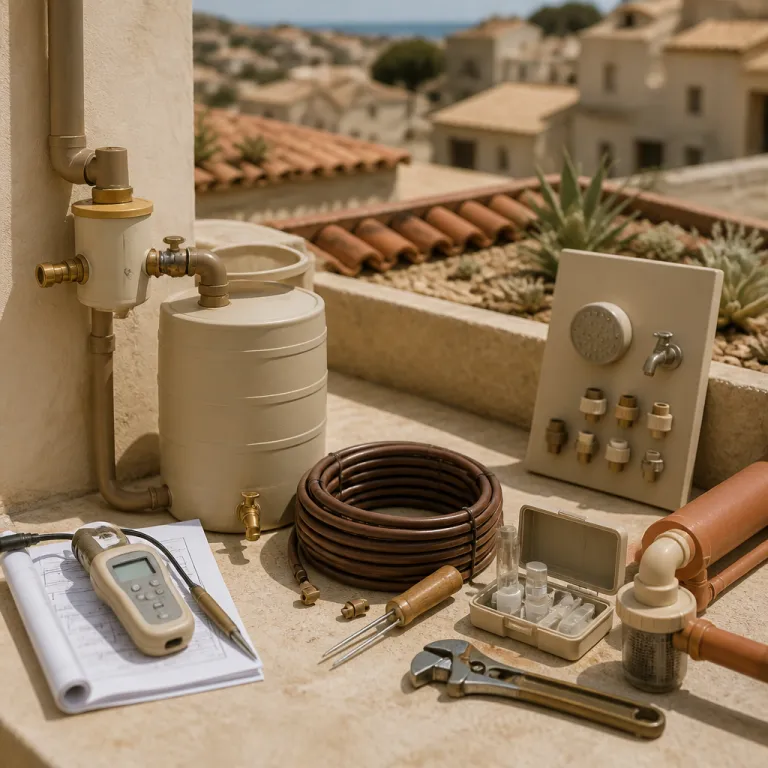
Why Mediterranean drought now defines the luxury vacation house brief
Water scarcity is no longer a background concern when you book a Mediterranean vacation house. Across Spain, southern France, coastal Italy, and the Greek islands, prolonged drought is reshaping what counts as truly sustainable luxury and forcing owners to rethink every aspect of water consumption. For a traveler used to effortless comfort, the new benchmark is a sustainable vacation house where water conservation in the Mediterranean is treated as a core design principle, not a discreet amenity.
Research from regional institutions such as the European Environment Agency and Plan Bleu indicates that around 180 million people in Mediterranean countries now live under some level of water stress, and roughly one third of the region’s surface area is affected, according to their joint assessments. Those numbers are not abstract; they translate into pool filling bans, irrigation limits, and stricter rules for short term accommodations that compete with local communities for finite water. In Catalonia, for example, emergency drought decrees in 2023–2024 have restricted private pool refills and capped daily use per inhabitant, while on some Greek islands authorities limit household consumption during peak season to stabilise local aquifers. When you choose between vacation houses, you are effectively choosing how your travel experience will influence local water security and long term environmental responsibility.
The Mediterranean Water Scarcity & Drought Working Group and Plan Bleu have spent years documenting how tourism accelerates seasonal pressure on already fragile aquifers. Their findings are clear: “It leads to stricter water use regulations and necessitates sustainable design adaptations.” For guests, that means the most desirable sustainable accommodations now combine eco friendly engineering, low impact landscaping, and transparent conservation programs with the same care once reserved for infinity pools and marble bathrooms. Labels such as EU Ecolabel, Green Key, or national eco‑certifications increasingly signal that a property has been independently assessed on water efficiency, energy performance, and waste reduction, with criteria that include maximum flow rates, leak detection, and responsible pool management.
From thirsty villas to water intelligent homes: what to look for before you book
Before confirming any luxury stay, read the listing as if you were auditing its water practices. A genuinely sustainable vacation house with strong water conservation in the Mediterranean will explain how it manages consumption, from low flow fixtures to smart irrigation and, increasingly, non conventional sources such as reclaimed water. Properties that treat sustainability as a design brief rather than a marketing line will usually detail their eco friendly systems with the same pride as their sea views, often including approximate savings in litres per day or percentage reductions compared with a conventional villa.
Look for clear references to rainwater harvesting tanks, greywater recycling for garden use, and drought tolerant planting that respects the surrounding nature. These green practices reduce environmental impact while protecting comfort, because they stabilise supply even when municipalities impose caps on pool refills or garden watering. As a reference point, a 10,000‑litre rainwater cistern in a medium sized home can cover most garden irrigation needs for several dry weeks, while a basic greywater system can cut outdoor potable water use by 30–40% over a summer season. Some municipalities now require efficiency certifications for short term tourism accommodations, so a host who can share documentation such as local water‑efficiency labels, EU Ecolabel, or Green Key is signalling serious environmental responsibility rather than vague eco claims.
As you compare properties across the region’s most competitive sustainable tourism markets, pay attention to how each one frames its relationship with local communities and resources. A house that explains its energy efficiency measures, its use of renewable energy, and its approach to water conservation is usually run by owners who understand that sustainable travel is now a core value driver. For a deeper sense of how this shift is reshaping premium inventory, look at broader analyses of where vacation rental growth is concentrating, which increasingly highlight sustainable accommodations as a distinct, fast maturing segment, with higher occupancy rates and longer booking windows for properties that can document their environmental performance.
Design responses to drought: pools, gardens, and the new Mediterranean aesthetic
Across the Mediterranean, the most interesting luxury homes are quietly rewriting the visual language of the classic coastal villa. Instead of lawns that drink thousands of litres, you now see stone terraces, native shrubs, and shaded courtyards that feel both more natural and more refined. This is where a sustainable vacation house with serious water conservation in the Mediterranean becomes a design statement rather than a compromise, using scarcity as a catalyst for creativity.
Traditional blue tiled pools are giving way to smaller plunge pools with advanced filtration, or to natural swimming ponds that use plants and gravel beds instead of chemical heavy systems. These eco friendly alternatives dramatically reduce water consumption and energy use while creating a closer connection to surrounding nature, especially when they are framed by local stone and low water Mediterranean species. A compact plunge pool with an efficient cover can cut evaporation losses by up to 50% compared with an oversized, uncovered basin, while a well designed natural pool can operate with one water top‑up per season instead of frequent refills. Xeriscaped gardens, with gravel paths and aromatic herbs, are not only environmentally friendly; they also cut maintenance and help keep your carbon footprint lower during your stay.
Inside, the same logic applies, with high efficiency appliances, dual flush toilets, and aerated taps now standard in the best sustainable hotels and high end vacation houses. Owners who invest in these sustainable practices often pair them with renewable energy systems, such as rooftop solar, to reduce both operating costs and environmental impact over the property’s lifetime. Many of the most forward looking homes go further, aligning with regenerative travel principles by restoring degraded land or supporting local conservation programs that protect nearby habitats and, in some cases, adjacent national park ecosystems, turning the property into a small‑scale case study of climate adaptation in practice.
How to read a listing: signals of real sustainability versus greenwash
When you scan a listing, start by asking whether the property explains its water story in concrete terms. A serious sustainable vacation house that prioritises water conservation in the Mediterranean will quantify savings, describe specific technologies, and outline how guests can participate in eco friendly practices without sacrificing comfort. Vague references to being green or sustainable, with no detail on water, energy, or waste, are usually a warning sign.
Check whether the host mentions low flow fixtures, smart meters, or systems that track water consumption per stay, because these indicate a culture of measurement rather than aspiration. Properties that publish their energy efficiency upgrades, such as insulation, shading, or heat pump installations, usually have a similar discipline around water, even if they do not list every technical specification. If a house claims to be part of sustainable tourism initiatives, ask how that translates into daily operations, from laundry schedules to garden irrigation and pool management, and whether any third party audits or monitoring reports are available for guests to review.
Another strong signal is how the property positions its relationship with local communities and the wider environmental context. Hosts who talk about supporting local suppliers, hiring local maintenance teams, and contributing to conservation programs are often the same people who respect shared water resources. For a benchmark of what best in class environmental responsibility can look like in this segment, explore case studies of carbon neutral vacation houses that show how luxury, sustainable travel, and rigorous resource management now coexist comfortably in the Mediterranean, often achieving 30–50% lower water use per guest night than conventional rentals.
Quick checklist for guests: rainwater harvesting or storage tanks sized to at least several thousand litres; greywater reuse for gardens or toilets; drought tolerant landscaping with minimal lawn; access to basic consumption data or smart meters that show daily use; recognised eco‑certifications (for example EU Ecolabel or Green Key, both of which include explicit water‑efficiency criteria); clear guest guidelines on water and energy use that align with local drought regulations.
Staying responsibly: how your habits shape the Mediterranean’s water future
Once you arrive, the way you use the house matters as much as the systems behind it. A sustainable vacation house with strong water conservation in the Mediterranean is designed to support you, but it still relies on your choices in the shower, at the tap, and around the pool. Small adjustments in daily routines can significantly reduce water consumption without diminishing the pleasure of your travel experience.
Shorter showers, full dishwasher loads, and mindful towel use are simple habits that align with the property’s sustainable practices and local regulations. Many homes now provide guidance cards that explain how their greywater systems work, why certain garden areas are left wild, or how rainwater tanks buffer the impact of peak tourism on municipal supplies. Respecting these cues is part of environmental responsibility and helps ensure that future generations can enjoy the same coastal landscapes with fewer restrictions, even as climate projections from agencies such as the European Environment Agency point to more frequent and intense droughts.
Your choices beyond the property line also influence the region’s environmental impact and social resilience. Prioritising restaurants that support local producers, choosing refillable bottles instead of single use plastics, and carrying reusable shopping bags all reduce pressure on waste systems and, indirectly, on water resources used in production and transport. When guests align their behaviour with the ethos of sustainable accommodations, they reinforce a virtuous circle in which tourism revenue funds conservation programs, protects nearby national park areas, and strengthens the case for more ambitious eco initiatives across Mediterranean destinations.
FAQ
How does water scarcity affect vacation homes in the Mediterranean ?
Water scarcity in the Mediterranean leads to stricter regulations on pool filling, garden irrigation, and overall water use for vacation homes. Authorities increasingly require efficiency measures such as low flow fixtures, drought tolerant landscaping, and, in some areas, proof of non conventional water sources like reclaimed water. In regions such as Provence or the Balearic Islands, local decrees can temporarily ban non essential outdoor water use during peak drought and may limit daily consumption per person to a fixed number of litres. These rules are pushing owners to redesign properties around sustainability, which ultimately benefits both guests and local communities.
What are non conventional water sources in Mediterranean vacation houses ?
Non conventional water sources include reclaimed wastewater that has been treated for safe reuse and desalinated water produced from seawater. In vacation houses, these sources are often used for irrigation, toilet flushing, or, in some cases, as part of a blended supply that reduces pressure on local aquifers. Their integration allows properties to maintain comfort standards while lowering their environmental impact during peak tourism seasons, especially on islands where natural freshwater reserves are limited.
How can I tell if a vacation house is genuinely sustainable ?
A genuinely sustainable vacation house will describe specific systems such as rainwater harvesting, greywater recycling, low flow fixtures, and energy efficiency upgrades. It will usually explain how guests can participate in eco friendly practices and may reference certifications or partnerships with conservation programs. Hosts who can answer detailed questions about water consumption per guest night, renewable energy use, and support for local communities are typically more credible than those offering only generic green language.
What role do local communities play in sustainable tourism around vacation houses ?
Local communities bear the direct impacts of tourism on water resources, waste systems, and land use. When vacation houses prioritise supporting local suppliers, hiring local staff, and contributing to conservation programs, they help balance tourism revenue with environmental responsibility. This collaboration makes sustainable tourism more resilient and ensures that benefits are shared rather than concentrated, especially in smaller coastal towns and islands where seasonal demand can otherwise overwhelm infrastructure.
How can my stay help protect Mediterranean water resources ?
You can help protect water resources by choosing a sustainable vacation house that prioritises water conservation in the Mediterranean and by adopting mindful habits during your stay. Shorter showers, careful use of air conditioning, and respect for any house guidelines on laundry or pool use all reduce consumption. Supporting local businesses that value sustainability and using reusable items such as bottles and shopping bags further lowers your overall environmental footprint and reinforces demand for responsible tourism practices.