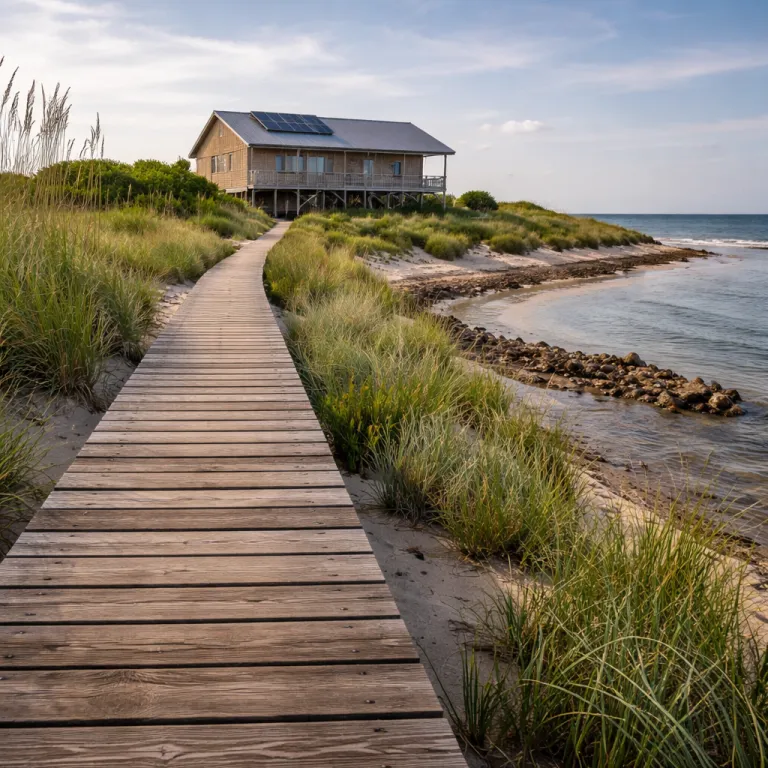
From sustainable to regenerative: why your next vacation rental should leave a trace of repair
Luxury travel has spent a decade talking about sustainable villas, yet most vacation rentals still only aim to be slightly less harmful. A regenerative tourism stay goes further by using travel as a tool to restore ecosystems, strengthen local communities and leave the land measurably healthier than before the first guest arrived. For a solo explorer choosing a vacation house, this shift from sustainable tourism to genuinely regenerative thinking changes how you read every listing, every amenity and every promise about the local community.
Regenerative tourism is often defined simply and clearly as follows: “Travel aiming to leave destinations better than before.” When you apply that definition to a short term rental, you start asking whether your stay funds reforestation, protects rare plant species or supports waste reduction projects that outlast your visit. The best hosts now publish an action plan that details how they manage water, energy, land management and community partnerships, turning marketing language about sustainability into verifiable practice backed by basic data such as annual energy use, litres of water saved or hectares restored, with methods explained in simple terms.
The tourism industry has long relied on the idea that visitors are passive; they arrive, they consume resources, they leave. A regenerative vacation home treats visitors as temporary residents, with responsibilities to the island, the valley or the village that hosts them. That means clear guidance on responsible tourism, from how to separate waste for local composting to how to support local communities without overwhelming their resources or distorting prices, and in some cases inviting guests to join monthly beach clean ups or native tree planting days that are tracked by number of participants and bags collected.
For luxury and premium rentals, the stakes are higher because nightly rates and guest expectations are higher, and so is the climate impact of long haul travel. A property that markets itself as eco friendly but cannot show how it restores natural habitats or reduces climate change impacts is simply not regenerative. The most credible operators now share case studies of how their tourism management has improved soil health, increased biodiversity and funded local education, proving that travel can be regenerative rather than extractive; for example, some report bird species counts rising from a handful to several dozen after native habitat restoration, based on annual surveys by local ornithologists using standard point count methods.
What real regenerative practice looks like in a luxury vacation house
On a regenerative tourism booking platform, the most interesting properties are not always the most visually dramatic. They are the homes where renewable energy is standard, greywater is recycled for gardens and every design decision has been filtered through a climate and resources lens. In these vacation rentals, sustainability is not a décor theme but a technical backbone, from high efficiency insulation to carbon sequestering building materials that quietly lock emissions into the walls and reduce heating and cooling demand by double digit percentages, calculated through pre and post retrofit energy audits.
Energy is the easiest place to see whether a vacation rental is serious about sustainable tourism or simply gesturing towards it with a token solar panel. Off grid eco friendly villas now combine advanced solar arrays, battery storage and sometimes geothermal systems, allowing guests to enjoy comfort without drawing heavily on fragile local grids. When a host can show you their annual energy data and explain how their management choices reduce pressure on local communities and ecosystems, you are looking at tourism industry leadership rather than marketing; some now publish figures such as 90 % of electricity from on site renewables or kilowatt hours per guest night, calculated by dividing total annual consumption by occupied nights.
Water and waste management reveal even more about whether regenerative claims hold up under scrutiny. A truly forward thinking rental will often use rainwater harvesting, low flow fixtures and greywater irrigation to protect local water resources, especially on an island where aquifers are under stress. Waste reduction is treated as a design problem, not a guest chore, with refillable amenities, composting systems and partnerships with local recycling cooperatives that keep plastics and organics out of landfills and track diversion rates so that progress can be measured over several seasons using simple weight or volume logs.
Land and biodiversity are where regenerative ambition becomes tangible, because you can literally walk outside and see the results. Some of the most advanced properties integrate reforestation projects into their grounds, planting native plant species that stabilise soil, shade waterways and create habitat for birds and pollinators. Others work with environmental organisations to restore degraded slopes or wetlands, turning what used to be ornamental gardens into living case studies of how tourism can finance ecological repair, with before and after surveys showing reduced erosion, higher soil organic matter and more native species, often documented through fixed photo points and seasonal species counts.
Economic design matters just as much as ecological design, especially in destinations where tourism has priced residents out of their own neighbourhoods. Platforms such as Fairbnb, a short term rental marketplace promoting sustainable tourism, show how a clear action plan can channel a portion of each booking directly into community projects. When a luxury vacation rental commits a fixed share of revenue to local communities, from cultural centres to conservation funds, the travel experience becomes part of a broader regenerative tourism economy rather than an isolated indulgence, and guests can see how many euros from their stay supported local initiatives in annual impact summaries.
The financial side of this shift is not marginal; it is reshaping where capital flows in the tourism industry. Analyses of where vacation rental growth is concentrating show that demand is surging in regions that combine strong nature, clear sustainability standards and credible community engagement, creating a 76 billion market in motion that rewards operators who invest in regeneration according to recent global vacation rental market reports published between 2022 and 2024, which typically define the figure as total annual revenue from short term rentals worldwide.
Hawai‘i, islands under pressure and the uncomfortable maths of flying to paradise
Nowhere exposes the tension between luxury travel and regenerative tourism more clearly than Hawai‘i, where volcanic landscapes, fragile plant species and tight knit local communities sit under intense tourism pressure. Hawai‘i tourism authorities and community groups have spent years warning that unmanaged travel can erode cultural fabric, strain water resources and accelerate climate change impacts on already vulnerable coasts. At the same time, carefully managed vacation rentals on each island can fund reforestation, marine protection and cultural education, turning visitors into allies rather than extractors when they contribute to verified local projects with transparent budgets and monitoring.
On Maui, the Surfrider Foundation Maui Chapter runs the “Rise Above Plastics on Vacation” programme, a practical example of how tourism management can drive waste reduction. Some regenerative hosts now integrate this programme into their guest communication, providing reusable containers, clear recycling instructions and links to local clean up events. When you book a house in Wailea or along the North Shore, you can ask directly whether the rental participates in such initiatives and whether your stay supports local communities beyond the cleaning fee, and hosts can point to the number of single use plastic items avoided each season, as reported in Surfrider Maui’s annual programme summaries since its launch in the late 2010s.
Hawai‘i tourism debates also highlight the role of governance and tourism authority oversight in shaping what responsible tourism looks like on the ground. Local regulations on short term vacation rentals, water use and shoreline setbacks are not anti travel rules; they are tools to protect residents and ecosystems from over extraction. A regenerative stay on any island will not only comply with these rules but often exceed them, publishing its own sustainability standards and inviting guests to respect cultural protocols, from sacred sites to fishing practices, sometimes in consultation with local cultural practitioners who help design house manuals and orientation materials.
The climate question remains uncomfortable, especially for long haul flights to remote islands where aviation emissions dwarf on site savings from renewable energy or waste reduction. No vacation rental, however regenerative, can fully offset the climate impact of intercontinental travel, and any claim to do so should be treated with scepticism. What a property can do is minimise local climate vulnerability through reforestation, coastal restoration and careful water management, making the island more resilient to storms, erosion and shifting rainfall patterns, and reporting on indicators such as shoreline stability or canopy cover using repeat surveys and satellite or drone imagery.
For a solo explorer, the ethical path is not to abandon travel altogether but to travel less often, stay longer and choose a regenerative tourism vacation rental that demonstrably strengthens the host community. That might mean selecting a house that funds native forest restoration rather than a cheaper option that ignores land management entirely. It might also mean choosing a region where tourism industry stakeholders, local communities and environmental organisations are aligned around an action plan for sustainability, rather than destinations still locked in extractive models that treat land and culture as disposable.
On Maui’s south shore, for example, some Wailea villas now combine high end design with serious sustainability infrastructure, from rooftop solar to native landscaping and partnerships with local conservation groups. Guides to refined oceanfront escapes in Wailea increasingly highlight which properties are genuinely eco friendly and which simply use the language of green luxury without measurable commitments. When you read a detailed review of Wailea villas for refined oceanfront escapes on Maui, pay attention to whether the writer talks about kilowatt hours, watershed health and community partnerships, not just thread counts and sunset views, because those details reveal whether regenerative tourism is real or rhetorical.
How to audit a regenerative tourism vacation rental before you book
For a traveller browsing a luxury booking website, the challenge is cutting through polished photography to understand whether a vacation rental is truly regenerative. Start with energy and water, asking whether the property runs primarily on renewable energy and how it manages water in a changing climate. A serious host will share data on solar generation, storage capacity and water saving fixtures, while a vague reference to being eco friendly without specifics should raise questions and prompt you to request at least basic performance figures, ideally averaged over a full year.
Next, examine how the rental relates to its surrounding communities, because regenerative tourism lives or dies on those relationships. Look for clear commitments to hiring local staff, sourcing from local producers and supporting local communities through transparent contributions or partnerships. When a listing explains how guests can engage respectfully with the community, from farmers’ markets to cultural events, it signals that tourism management has been designed with residents in mind and that benefits are being tracked rather than assumed, sometimes through simple indicators such as percentage of spend with local suppliers.
Then, interrogate the land story, because this is where a regenerative tourism vacation rental can move beyond neutral into net positive territory. Ask whether the property has an action plan for reforestation, soil restoration or habitat creation, and whether it monitors outcomes such as increased biodiversity or reduced erosion. Some of the most compelling case studies share before and after images of degraded land now supporting native plant species, showing how tourism resources can finance ecological repair over time and documenting metrics such as tree survival rates or species richness, often measured through annual ecological surveys.
Certification can help, but it is not a guarantee, especially in a tourism industry where greenwashing is common and verification standards vary widely. Look for third party labels with clear criteria, but also read how the host describes their own sustainability journey, including failures, trade offs and future goals. When a property openly acknowledges that it cannot fully offset climate change impacts from global travel but still pursues ambitious local regeneration, that honesty builds trust and aligns with emerging best practice in regenerative tourism, as reflected in recent guidance from industry bodies and academic research.
Finally, pay attention to how your own behaviour will fit into the property’s regenerative design, because visitors are part of the system, not outside it. A thoughtful host will provide guidance on responsible tourism, from low impact activities to public transport options and low carbon travel experiences that reduce dependence on private cars. Your plan should include staying longer in one place, using the vacation house as a base to understand the local community and leaving a contribution that outlasts your checkout time, whether through donations, volunteering or simply supporting locally owned businesses.
As regenerative tourism gains attention, platforms such as Fairbnb and regional initiatives in places like Andalusia show how regulation, community engagement and innovation can align. They demonstrate that tourism, when managed with care, can support cultural heritage, protect natural resources and enhance local well being rather than eroding them. For the solo explorer choosing a luxury vacation rental, the most powerful act is to treat every booking as a vote for the version of the tourism industry you want to see grow and to favour operators who publish clear, verifiable evidence of their regenerative impact, including data sources and time frames.
Key figures shaping regenerative tourism vacation rentals
- Searches for eco friendly vacations increased by 22 % in France according to Gralon, signalling a sharp rise in demand for sustainable and regenerative tourism experiences that go beyond simple carbon offsetting and into measurable local benefits; Gralon attributes this figure to an analysis of search trends on its platform between 2022 and 2023.
- Tourism contributes 11 % of France’s greenhouse gas emissions according to Gralon, underscoring why the tourism industry must move from basic sustainability to regenerative tourism models that actively repair climate and ecosystem damage rather than merely slowing it; this estimate is based on national emissions inventories and sectoral breakdowns summarised by Gralon in 2023.
- Global analyses of the vacation rental market describe a 76 billion market in motion, with growth concentrating in regions that combine strong environmental regulation, credible community engagement and high quality natural assets, according to recent international vacation rental industry research published between 2022 and 2024 that aggregates revenue from major booking platforms and independent operators.
- Platforms such as Fairbnb now channel a fixed share of each short term rental booking into local community projects, creating measurable financial flows from visitors to residents and demonstrating how tourism resources can fund regeneration when revenue allocation is transparent; Fairbnb’s model typically allocates 50 % of its platform fee to vetted local initiatives, as described in its public impact reports.
- Programmes such as Surfrider Foundation Maui Chapter’s “Rise Above Plastics on Vacation” show how targeted waste reduction initiatives can turn individual vacation rentals into nodes in a wider island scale strategy for responsible tourism, with reported reductions in single use plastics on participating beaches documented in Surfrider Maui’s annual chapter updates and campaign evaluations.
References: Gralon (tourism and emissions analyses, 2023); Fairbnb (impact reports, 2020–2024); Surfrider Foundation Maui Chapter (programme summaries, 2018–2024); global vacation rental market reports (industry research, 2022–2024).