What off grid luxury really feels like for solo travelers
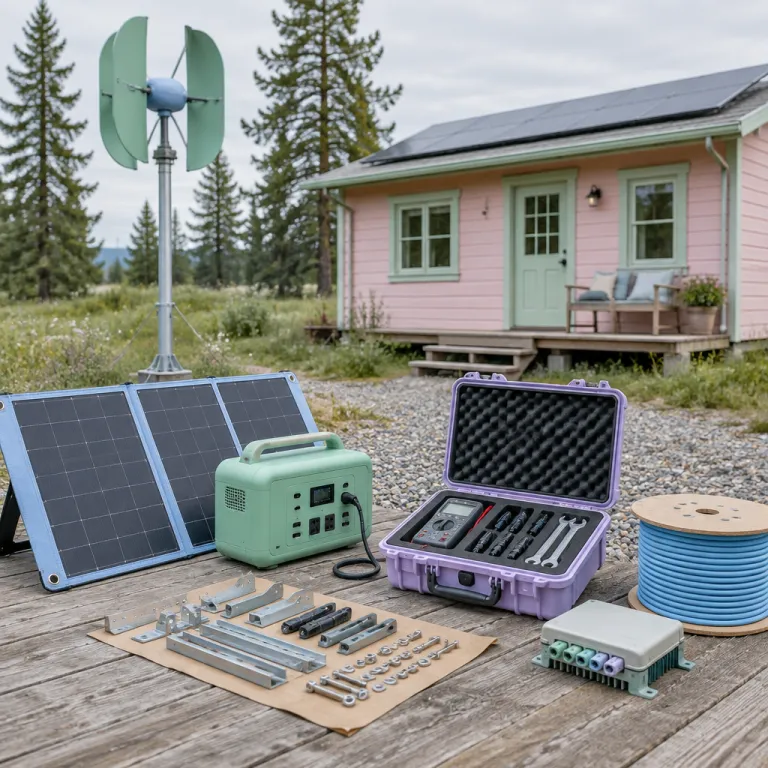
An off grid eco vacation house with solar, geothermal and sustainable systems does not feel like camping ; it feels like a private, well considered retreat. The best grid homes in this category use advanced solar power generation, discreet battery systems and geothermal loops so you arrive to a cool house, running water and silent air conditioning that simply work. For a solo explorer, this kind of grid lifestyle means you can step straight into the surrounding land while still charging a laptop, cooking real food and sleeping under proper linen.
On vacationhousestay.com, the most interesting off grid eco vacation house solar geothermal sustainable listings sit at the intersection of design, energy independence and serious comfort. You will see cabins and tiny homes that are fully disconnected from the power grid, yet they offer stable Wi Fi, induction cooktops and filtered natural water without visible compromise. When you read a listing, consider how clearly it explains the renewable energy systems, the water supplies and the building materials, because transparency is now an essential marker of true eco luxury.
Off grid living in a premium rental is less about roughing it and more about a refined lifestyle that simply sidesteps the usual infrastructure. A well designed grid cabin or larger estate will combine solar panels, geothermal loops and rainwater capture so that daily living feels effortless while the environmental footprint quietly shrinks. As a guest, you experience grid living as long hot showers, reliable lighting and a kitchen ready for growing food conversations, not as a list of restrictions taped above the sink.
How the technology works: from solar roofs to natural water circuits
Behind every credible off grid eco vacation house solar geothermal sustainable stay sits a network of carefully balanced systems. Solar panels on the roof or integrated into the building skin handle most of the power generation, feeding batteries that smooth out cloudy days and evening cooking sessions. Geothermal loops under the land manage heating and cooling with impressive energy efficiency, so air conditioning feels gentle and quiet rather than aggressive.
Water is the second essential pillar, and you should always consider how a property sources and treats it before you book. Many grid cabins and remote grid homes rely on a mix of natural water from wells, rainwater harvesting and compact filtration systems that reduce water waste without asking you to ration every shower. When a host explains these systems clearly, you understand how your own lifestyle choices on site, from laundry habits to dishwashing, support the overall eco performance of the house.
Wastewater and greywater systems are where the most progressive homes now push beyond simple sustainability. Some tiny homes and larger cabins route greywater through planted beds, turning water waste into a resource that supports growing food and regenerating the surrounding land. When you read about these systems in a listing or a house manual, cross check them against independent eco certifications and regulatory guidance such as the evolving European vacation rental rulebook, which is analysed in depth in this overview of new rental regulations for vacation house travelers.
The new luxury premium: paying for energy independence and restoration
In the luxury vacation house market, the most interesting premium now attaches to properties that can operate gracefully away from the grid. An off grid eco vacation house solar geothermal sustainable estate often costs more per night than a conventional house, because the owners have invested heavily in renewable energy systems, advanced building materials and on site water supplies. For solo travelers, that higher rate buys not just privacy but the rare feeling of living grid free without sacrificing comfort or safety.
Data from major booking platforms and estate consultancies shows that travelers are willing to pay more for homes with documented eco features and verifiable energy efficiency. When a listing details its solar power array, its battery storage capacity and its approach to water waste reduction, you can better understand what you are funding with your booking. This is where the wider vacation rental market is heading, as analysed in this report on where vacation rental growth is concentrating, and off grid cabins are often at the leading edge of that shift.
The most forward looking grid homes now move beyond carbon neutrality into active regeneration of their land. You will find grid living concepts where growing food, restoring native plants and reusing natural water are built into the daily rhythm of the house, not treated as marketing extras. When you choose these homes, you are effectively voting for a lifestyle where the power grid is optional, the house itself becomes a quiet piece of infrastructure and your own presence supports, rather than strains, the local environment.
What off grid actually means for your stay: comfort, trade offs and questions to ask
For guests, the phrase off grid living can sound either romantic or slightly alarming. In practice, a well designed off grid eco vacation house solar geothermal sustainable property should feel more reliable than a rural house that still depends on an aging power grid. You arrive to a fully charged battery bank, a clear explanation of the systems and a set of essential supplies that make the first evening effortless.
There are, however, trade offs that any honest host will outline before you confirm. Air conditioning may be available but managed, with guidance to close shutters during the day and consider shorter cooling cycles at night to protect energy independence on cloudy stretches. Hot water is usually plentiful thanks to solar thermal or geothermal systems, yet you might be asked to space out long showers so the systems can recover without resorting to backup power.
As a solo traveler, you should feel comfortable asking very specific questions about the house and its systems before booking. Ask how much solar power the building can generate on an average day, how long the batteries last, and what happens during an extended storm when solar panels are less productive. Clarify how natural water is sourced, how water waste is handled and whether any restrictions will meaningfully affect your lifestyle, from cooking food to working remotely in the cabin or on the terrace.
How to read listings and choose the right off grid house
Choosing the right off grid eco vacation house solar geothermal sustainable stay starts with learning to read between the lines of a listing. Look for specific references to solar panels, battery capacity, geothermal loops, water systems and building materials rather than vague eco language. A serious host will explain how the house relates to the land, how the systems support daily living and what kind of lifestyle they expect from guests.
Pay attention to the scale and layout of the property, especially if you are considering tiny homes or compact cabins. A small grid cabin can feel luxurious if the design prioritizes natural light, cross ventilation and quiet sleeping spaces, as explored in this guide to vacation houses designed around darkness, cool air and quiet. Larger grid cabins or multi bedroom homes may offer more room to spread out, but they also place greater demand on the power systems, so you should check how the host manages occupancy and energy use.
Finally, consider the wider estate context and your own expectations for comfort. If you plan to work remotely, confirm the reliability of satellite internet and the stability of the power generation systems during long video calls. If your ideal lifestyle involves cooking elaborate meals and perhaps growing food in the garden during a longer stay, make sure the kitchen, water supplies and waste systems are set up to support that rhythm without strain.
FAQ
Does off grid mean I have to give up modern comforts ?
A well designed off grid house should not feel like a downgrade from a conventional vacation rental. In many premium grid homes, you still have reliable electricity, hot water, efficient air conditioning and strong Wi Fi, all powered by renewable energy systems. The main difference is that you may be asked to use power and water more thoughtfully, which most guests adapt to within a day.
How can I tell if a property is genuinely eco friendly ?
Look for concrete details about solar power capacity, battery storage, geothermal heating, water treatment and building materials rather than generic green claims. Independent certifications such as Green Key, EarthCheck or Green Tourism add credibility, especially when paired with clear explanations of how the systems work. Reviews from previous guests often reveal whether the eco features are functional daily tools or just marketing language.
What questions should I ask before booking an off grid vacation house ?
Ask how the house generates and stores power, how long the batteries last and whether there is any backup connection to the grid. Clarify how water is sourced, how water waste is treated and whether there are any usage guidelines that might affect your routine. If you plan to work remotely, confirm the stability of the power systems and the type of internet connection available.
Are off grid vacation houses safe for solo travelers ?
Most professionally managed off grid homes are as safe as conventional rentals, and sometimes safer because their systems are newer and regularly maintained. You should still check for standard safety features such as smoke detectors, carbon monoxide alarms, clear access roads and reliable communication options. Reading recent reviews and confirming emergency procedures with the host will give you an extra layer of reassurance.
Why do off grid eco properties often cost more per night ?
Building and maintaining an off grid eco vacation house with solar, geothermal and sustainable systems requires significant upfront investment. Owners pay for high quality solar panels, batteries, water treatment systems and durable building materials that reduce long term environmental impact. The nightly rate reflects both those costs and the growing traveler demand for properties that offer energy independence and a lighter footprint.