Lakefront vocabulary decoded: how to read a waterfront listing
A lake house promises water, but the language around it is slippery. When you read a lakefront vacation rental booking guide for a waterfront house, you are really decoding how close your family will live to the lake and how you will actually use it. The right words on a listing quietly decide whether your lake vacation feels effortless or frustrating.
Start with the four phrases that shape every waterfront vacation in the United States. “Lakefront” usually means the house sits directly on the water front, with no road between the bedrooms and the shoreline, while “lake view” often signals a higher position where the views are wide but the walk to the water may be steep or shared. “Lake access” can mean anything from a short stroll to a public beach to a drive to a marina, and “waterside” is so vague that you should always ask for precise details before you book.
On premium vacation rentals platforms, including Airbnb and specialist house rentals sites, the same vocabulary can be used inconsistently. A waterfront vacation listing in Lake Tahoe might show a dramatic view of the water, yet the fine print reveals that the beach is shared and the private dock belongs to a neighbour. When you read any vacation rental description, treat the headline as marketing and the map, shoreline photos, and bedrooms bathrooms layout as the real evidence.
Families planning a lake vacation should create a short checklist before comparing vacation rentals. Note whether you want a quiet lake cabin in a wooded area, a contemporary house with a hot tub on the deck, or a larger property with multiple bedrooms baths for extended family and friends. Then match each wish to the exact waterfront terms used, because the same word “waterfront” can describe both a swimmable cove and a rocky shoreline where the water is only for looking.
Look closely at how each vacation rental describes its outdoor space. A listing that highlights a fire pit, a private dock, and a level lawn down to the water usually signals a house designed for long afternoons outside, while a focus on interiors and bed bath counts may indicate that the shoreline is less usable. When in doubt, message the host with specific questions about the lake, the water depth, and how far children will walk from the bedrooms to the edge.
Dock, depth, and shoreline: the questions that define your stay
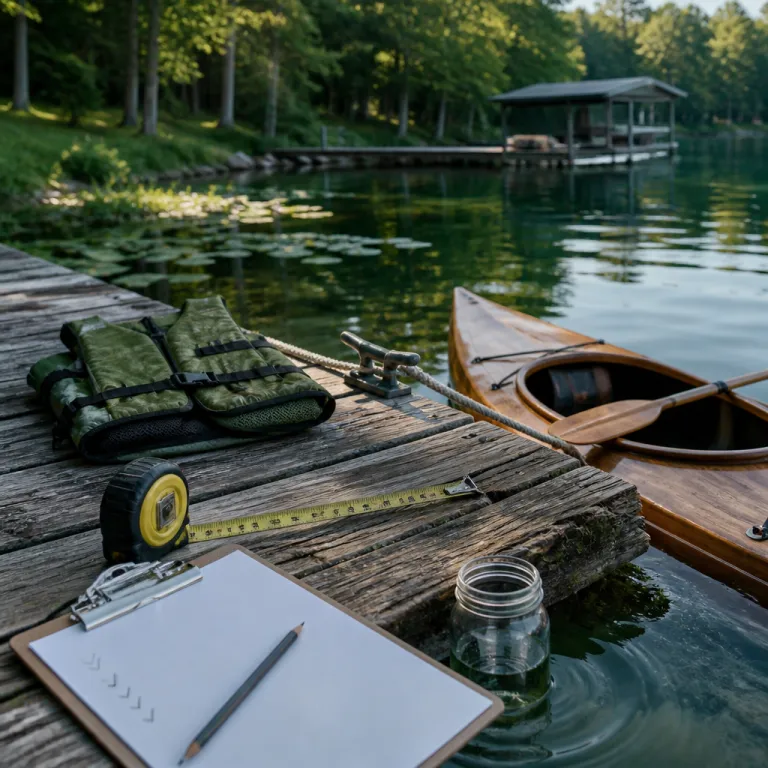
The single most important feature of any lake house is the dock. A private dock turns a pretty view into a functional waterfront vacation, because it lets guests swim, launch kayaks, and tie up a rental boat without leaving the house. Without it, you may have a beautiful water front panorama but spend every day driving to a public launch.
When you read a lakefront vacation rental booking guide for a waterfront house, pay attention to how the shoreline is described. Ask whether the water is deep enough at the dock for safe swimming, whether the bottom is sandy, rocky, or muddy, and how far the dock extends into the lake. In places like Lake Norman or Big Bear Lake, water levels can drop later in the season, leaving a dock partially grounded and changing how you use the area.
Families with children should request photos that show the full path from the house to the water. A steep staircase down from the bedrooms to the shore can be tiring for younger guests, while a gently sloping lawn makes it easier to carry paddleboards, coolers, and life jackets. If the listing mentions a lake cabin with “shared access”, clarify whether the dock is shared with other vacation rentals or reserved for your rental only.
Noise is another dockside variable that rarely appears in the official details. Motorboat friendly lakes such as parts of Lake Tahoe can feel lively from early morning until late at night, which suits some families and exhausts others. Paddling only lakes, often found in smaller mountain areas, offer quieter views and calmer water but may limit high speed water sports.
Before you book, ask whether the vacation rental includes any watercraft. Some house rentals offer kayaks, paddleboards, or a canoe tied to the private dock, while others require you to rent from a marina several kilometres away. For more timing strategy on when to secure these high demand rentals lake properties, read this guide to the late August window when peak season prices soften but the beaches stay lively.
Water quality, swimmability, and the reality of lake access
Not every waterfront house sits beside swimmable water. A thoughtful lakefront vacation rental booking guide for a waterfront house always starts with water quality, because algae blooms, runoff, and shallow bays can change how safe it is to swim. You should never assume that a pretty blue lake in photos equals a safe swimming area in reality.
When comparing vacation rentals in the United States, look up local water quality reports from regional environmental agencies or lake associations. Many popular lakes, from Lake Tahoe to smaller reservoirs near Big Bear, publish regular testing data on bacteria levels, clarity, and algae seasons. If a listing does not mention swimming, ask directly whether the water is suitable for children and how far you must walk from the house to reach the best swimming spot.
Shoreline composition matters as much as water quality. A lake cabin with a sandy beach is ideal for younger guests who want to wade gradually into the water, while a rocky or sudden drop off shoreline suits confident swimmers and adults. When a vacation rental mentions a “natural shoreline”, request photos that show the exact entry point, because reeds and mud can make the first few metres less appealing.
Regulations also shape what you can do on the water. Some lakes limit motorboats to protect wildlife, which creates a calmer atmosphere but changes the appeal for families who imagined water skiing from their private dock every night. Other lakes allow boats but restrict new docks, meaning your chosen house might have a view of the water but rely on a shared marina for access.
For countryside havens where the lake is part of a broader landscape of vineyards and hills, look at destinations that balance water with culture. Elegant rural estates in regions like Tuscany, profiled in this guide to refined countryside villas for rent, show how a property can offer both a pool and easy access to nearby lakes or rivers. The same principle applies to a lake vacation in the United States, where a well chosen house combines swimmable water, walkable villages, and a kitchen that makes staying in as tempting as going out.
Bedrooms, layouts, and how families really use a lake house
On a luxury booking website, the first filters most guests touch are bedrooms and bathrooms. For a lake house, the way those bedrooms bathrooms connect to the outdoor spaces matters more than the raw count, because mornings and evenings revolve around the water. A smart layout turns a simple vacation rental into a countryside haven where everyone finds their own rhythm.
Look for floor plans that show how bedrooms baths relate to the main living areas. A primary bed bath suite with direct access to a deck overlooking the lake gives parents a quiet retreat, while bunk rooms near the game room keep younger guests close to the action. When a listing mentions multiple bedrooms baths but no clear photos of hallways or staircases, ask for more details so you understand how noise will travel at night.
In premium house rentals, pay attention to how the kitchen, dining area, and terrace align with the view. The best lake vacation homes place the main table where the views of the water pull everyone together for long dinners, with a fire pit or hot tub just a few steps away. Properties like the elevated terrace homes featured in this review of discreet luxury terrace stays show how thoughtful outdoor circulation can make a modest footprint feel expansive.
Families travelling with grandparents or friends should consider how many bedrooms are on the ground floor. A lake cabin with all bedrooms upstairs might be challenging for older guests, especially if the path down to the water is also steep. When you read a lakefront vacation rental booking guide for a waterfront house, look for advice that treats accessibility as part of luxury, not an afterthought.
Finally, match the sleeping configuration to your real group, not the maximum guests number on the listing. A house that “sleeps ten” may rely on sofa beds in the living room, which can feel less private once wet towels and lake gear accumulate. Ask the host to clarify how many true bedrooms the vacation rental offers, how many guests each room can hold comfortably, and whether any bedrooms share direct access to outdoor spaces where people may gather late at night.
Hot tubs, fire pits, and the outdoor living test
The charm of a lake vacation lies in how much of your day you can spend outside. A strong lakefront vacation rental booking guide for a waterfront house always evaluates the outdoor living spaces as carefully as the interiors. The best properties feel like they have an extra room that just happens to be under the sky.
Start with the hot tub, if there is one. A well placed hot tub facing the lake, set a respectful distance from the bedrooms, becomes the natural gathering point after sunset, while a tub squeezed beside the driveway rarely gets used. Ask whether the hot tub is available year round, how often it is serviced, and whether there are any quiet hours that might affect late night use.
Next, look at the fire pit and seating. A simple ring of stones on a sloping lawn is less comfortable than a level terrace with sturdy chairs, side tables for drinks, and safe clearance from trees. For families with children, confirm whether the fire pit is gas or wood burning, and whether the house provides basic safety equipment such as a bucket of water or sand nearby.
Outdoor dining is where a lake house earns its premium. Check whether the vacation rental offers a large table with enough chairs for all guests, shade during the hottest part of the day, and lighting for dinners that stretch late into the night. A covered terrace with a view of the water front allows you to keep an eye on older children near the shore while younger ones drift between the kitchen and the deck.
Finally, consider how the outdoor spaces connect to the lake itself. A house with a private dock, a short path from the grill to the shoreline, and a small beach area will keep everyone circulating naturally between water, table, and fire pit. If the listing shows beautiful views but no clear route from the house to the water, ask for a video or additional photos before you book, because the difference between looking at the lake and living beside it is measured in steps, not in marketing language.
Pet friendly policies, platforms, and booking with confidence
For many families, a lake vacation only feels complete when the dog comes along. A careful lakefront vacation rental booking guide for a waterfront house treats pet friendly policies as a core part of the decision, not a footnote. The goal is to find a house where both children and animals can move freely without constant supervision.
When browsing vacation rentals on platforms such as Airbnb or specialist house rentals sites, filter for pet friendly properties first, then read the rules line by line. Some lake cabin owners allow pets inside but not on furniture, while others restrict animals to certain areas of the house or charge a per night fee. Ask whether the shoreline, beach, or shared paths around the lake have any local leash regulations that might affect early morning walks.
Safety near the water is another consideration. A house with a fenced yard between the bedrooms and the lake gives you more control over how pets and younger guests reach the water front, especially at night. If the property has a private dock, check whether there are gaps where smaller dogs could slip through, and consider bringing a canine life jacket for longer swims.
Booking on a luxury focused website can offer more transparent standards than a general marketplace. Look for listings where the host provides clear details about cleaning routines, pet related wear and tear, and any restrictions on leaving animals alone in the house. When a property is described as a countryside haven, ask how far the nearest veterinary clinic is, because rural areas sometimes mean longer drives for emergencies.
Finally, treat reviews as a second layer of verification. Search within guest comments for mentions of pets, children, and how the house handled wet paws, sandy feet, and gear returning from the lake each night. A pattern of positive feedback about cleanliness, responsive hosts, and realistic photos is often the best signal that the vacation rental will match the promise of its waterfront setting.
Regional nuances: Lake Tahoe, Lake Norman, Big Bear, and beyond
Not all lakes behave the same way, and neither do their rentals. A thoughtful lakefront vacation rental booking guide for a waterfront house recognises that the character of Lake Tahoe, Lake Norman, and Big Bear Lake shapes what a “perfect stay” looks like. Choosing the right region is as important as choosing the right house.
Lake Tahoe offers some of the clearest water in the United States, with strict environmental regulations that protect both the lake and the shoreline. Here, many waterfront vacation homes sit slightly above the water, trading immediate beach access for sweeping views and quieter, more private decks. If you want a private dock on Tahoe, expect to book early and pay a premium, because the number of true water front properties is limited by design.
Lake Norman, near Charlotte, feels different. It is a large, man made lake with extensive house rentals along its coves, many of them with private docks designed for motorboats and fishing. Families who enjoy active water sports will appreciate the energy, but those seeking a silent lake cabin experience may prefer a quieter cove or a smaller nearby lake.
Big Bear Lake in California brings altitude and seasons into the equation. In summer, a lake house here offers cool nights, hiking trails, and a more rustic atmosphere, with many vacation rentals styled as traditional cabins rather than sleek contemporary homes. In winter, some of those same properties become ski bases, so check whether the house is insulated well enough for both hot days and cold nights.
Across all these regions, the same principles apply. Ask detailed questions about the lake, the water quality, the dock, and the distance from the house to the shoreline, because those details determine whether your countryside haven feels like a true retreat or simply a house near water. When you align region, property type, and family rhythm, the lake house becomes more than a rental ; it becomes the setting for the dinners where nobody wants to leave the table.
Key figures for lakefront vacation rentals
- According to the National Association of Realtors, properties with direct lake access or a private dock can command price premiums of 25–50 percent over similar homes without water access in the same area, reflecting the high value travellers place on true waterfront living.
- Data from Airbnb and other major vacation rental platforms show that listings tagged as “lakefront” or “waterfront” in the United States experience occupancy rates up to 15–20 percent higher during peak summer months compared with non waterfront properties in the same regions.
- Research from the U.S. Environmental Protection Agency indicates that improved water quality in lakes can increase nearby property values by 10–15 percent, underlining why travellers should pay attention to local water quality reports when choosing a lake vacation rental.
- Tourism boards in popular lake regions such as Lake Tahoe and the Finger Lakes report that prime July and August weeks in true waterfront vacation rentals often sell out by late spring, meaning families who want specific bedrooms baths configurations should plan at least three to six months ahead.
FAQ about booking a lakefront vacation house
What is the difference between lakefront, lake view, and lake access ?
Lakefront usually means the house sits directly on the shoreline with no road in between, while lake view indicates that you can see the water but may need to walk or drive to reach it. Lake access is the most ambiguous term and can range from a short private path to a shared public beach, so you should always ask the host for precise walking distances and photos of the route.
How can I check if the lake water is safe for swimming ?
Look up recent water quality reports from local environmental agencies, lake associations, or public health departments, which often publish data on bacteria levels and algae blooms. If the listing does not clearly state that swimming is allowed, message the host to ask about typical swimming conditions, the nature of the lake bottom, and whether there are any seasonal advisories that affect water use.
Why is a private dock so important for a lake vacation rental ?
A private dock lets you swim, launch kayaks, or tie up a rental boat directly from the property, which saves time and makes the lake feel like an extension of the house. Without it, you may rely on public launches or marinas, which can be crowded in peak season and less convenient for families with children or multigenerational groups.
What should I ask about the layout of bedrooms and bathrooms ?
Request a floor plan or detailed description that shows where each bedroom and bathroom sits in relation to the main living areas and outdoor spaces. Check whether any bedrooms are on the ground floor for guests with limited mobility, how sound travels between sleeping areas and social zones, and whether the number of true bedrooms matches the maximum number of guests listed.
How early should I book a lakefront house in peak season ?
For popular lakes in the United States, especially destinations like Lake Tahoe, Lake Norman, and Big Bear, it is wise to secure a true waterfront vacation rental at least three to six months before your preferred dates. The most desirable houses with private docks, good water depth, and family friendly layouts often sell out first, leaving only properties that are near the lake rather than directly on it.