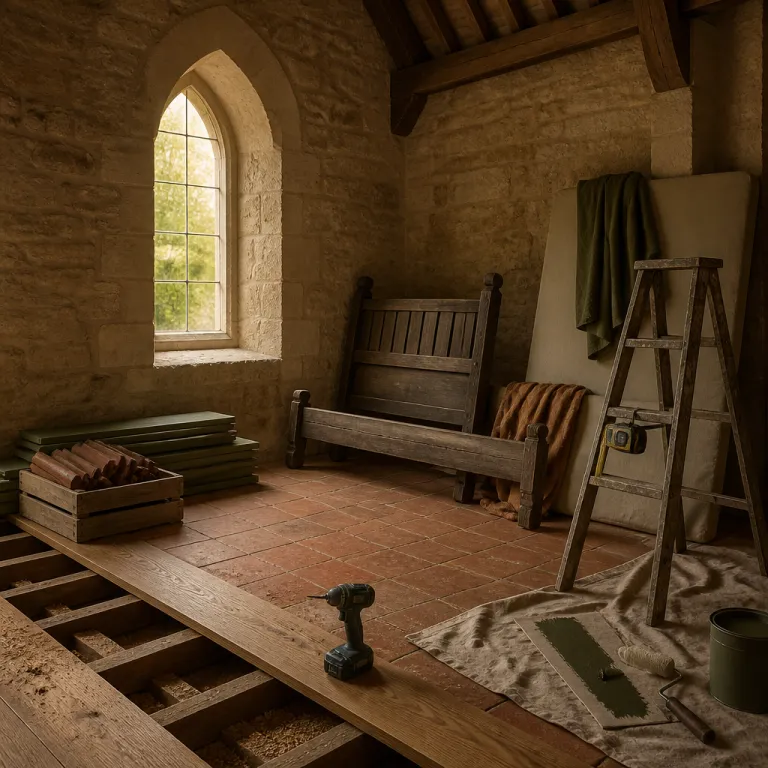
Why a historic vacation house converted from a farmhouse or chapel feels different
A historic vacation house converted from a farmhouse or chapel offers something a new build never can. The walls carry original features that were shaped by local weather, parish life, and the slow rhythm of the surrounding hills. When you choose a historic vacation house converted farmhouse chapel stay, you are not just renting a property, you are stepping into a narrative that already existed before you booked the room.
Across the United States and in rural European county landscapes, former rectories and farmsteads are being converted into character rich retreats. Some began as a modest church with a bell tower and stained glass, others as stone barns with a wood burning stove and uneven floors that now frame generous living space. The most successful historic vacation house converted farmhouse chapel stay keeps the soul of the building intact while quietly adding insulation, a fully equipped kitchen, and heating that actually works at night.
For a solo traveler or a small group of guests three or four strong, this kind of converted church or farmhouse offers intimacy without feeling small. A three bedroom rectory with vaulted ceilings and long dining tables can feel both grand and deeply personal, especially when natural light pours through original stained glass windows into the main bedroom. When you book this style of historic vacation house converted farmhouse chapel stay, you trade uniform amenities for a space where every room, every stair, and every pane of glass windows tells you exactly where you are in the world.
How to read a listing for a converted church, farmhouse, or rectory
When you scroll through an Airbnb style platform or a specialist villa site, the first photo rarely tells the full story of a converted church or farmhouse. Look for photos that show the exterior in its landscape, then the living space from several angles, and finally close ups of original features like a burning stove, stained glass, or exposed beams. A thoughtful host will include both a wide shot of the long dining room and a detailed photo of the gas fireplace or wood burning stove that anchors the space at night.
Pay close attention to how bedrooms and guests bedrooms are described, especially in a three bedroom or three bedrooms layout. You want clarity on how many guests the property truly sleeps, whether guests three and four get a real bedroom or a mezzanine room carved into the bell tower. For a wedding scouting trip or an intimate ceremony, cross reference this with specialist guides to timeless historic vacation home wedding locations so you understand how a chapel or rectory can work as both event setting and overnight stay.
Before you book, check availability carefully and read how the host explains the area and county context. A credible listing will mention the nearest village, walking distance to a church or market, and whether the property sits on a ridge of hills or in a sheltered valley. Use the calendar tools to check availability across several weeks, compare the price per night with similar converted properties, and make sure the description of bedrooms, living space, and fully equipped kitchen matches what you see in the photos.
What makes a conversion successful rather than gimmicky
The best historic vacation house converted farmhouse chapel stay respects the building’s original purpose while making it genuinely livable. In a converted church, that might mean keeping the nave as one soaring living space with vaulted ceilings, original stained glass, and tall glass windows, then tucking bedrooms into the former vestry or choir loft. In a farmhouse, it could mean preserving the stone walls and wood burning stove while adding a fully equipped kitchen that can handle a long dining service for six or eight guests.
Look for signs that the renovation team treated the property as heritage, not as a theme park. Uneven floors, thick walls, and a bell tower that still frames the sky are reassuring, while plastic windows and generic laminate floors usually are not. When a host highlights original features such as an old burning stove, carved pews repurposed as benches, or original stained glass above the main bedroom, you know the conversion is anchored in authenticity rather than gimmickry, much like the careful restoration seen at historic sea view fortresses turned villa style escapes.
Comfort still matters, especially if you are paying a premium price per night for a three bedrooms layout. Check that the gas fireplace or wood burning stove is functional, that the bedrooms have proper heating, and that natural light reaches more than just the altar end of the chapel. A successful conversion lets you enjoy the drama of vaulted ceilings and the intimacy of a quiet bedroom, all while offering enough living space for guests three or four to linger over dinner without feeling they are in a museum.
How to balance romance, quirks, and practicalities when you book
Romantic photos of a converted church or farmhouse can make any traveler hit the book button too quickly. Before you commit, pause to check how the property handles everyday realities like heating, hot water, and kitchen layout, especially if you plan to cook most nights. A historic vacation house converted farmhouse chapel stay often comes with quirks such as narrow staircases, low doorways, or a bedroom tucked under rafters, and you want to know these details before you arrive with heavy luggage.
Start by reading the fine print on availability and house rules, then compare the price per night with similar properties in the same county or area. If the listing is on Airbnb or a comparable platform, filter reviews that mention the gas fireplace, wood burning stove, or fully equipped kitchen, because these comments reveal how the living space works in real life. For solo travelers or guests three sharing a three bedroom rectory, it is worth checking whether each bedroom has a door, a window for natural light, and enough room to unpack without living out of a suitcase.
Heritage conversions also intersect with regulation and local hospitality policy, especially in regions tightening rules on short term rentals. Guides such as the analysis of new rental registers for villa travelers show how compliance can affect availability and long term pricing. When a host is transparent about permits, safety checks, and the building’s structural updates, it signals that your historic vacation house converted farmhouse chapel stay will feel both atmospheric and secure.
Choosing the right converted space for how you actually travel
Not every traveler needs a three bedrooms rectory with a bell tower and choir loft. If you travel alone or as guests three on a short break, a compact three bedroom farmhouse with one main bedroom and two smaller guests bedrooms might feel more manageable and better value. The key is matching the scale of the living space and bedrooms to how you spend your time, whether that is reading by a gas fireplace or hosting long dining evenings that stretch late into the night.
Think about how you use a room before you book a historic vacation house converted farmhouse chapel stay. If you cook, prioritize a fully equipped kitchen with real counter space, not just a decorative corner under vaulted ceilings and glass windows. If you work remotely, look for natural light, a quiet bedroom that can double as an office, and reliable heating so you are not relying solely on a wood burning stove in the main living space.
Location still shapes the experience as much as architecture, especially in the United States where distances between rural properties can be significant. A chapel perched on hills in a remote county offers solitude and starry skies, while a converted church in a village center puts you near a market, a café, and perhaps another church still in use. Whatever you choose, the most rewarding properties let you sleep inside the story of the building, then step outside into an area where the landscape and community still echo that same story.
FAQ
How is a historic converted church stay different from a regular vacation rental ?
A historic converted church stay centers the building’s original features, such as vaulted ceilings, stained glass, and sometimes a bell tower, rather than standardized layouts. You usually get a dramatic main living space and fewer but more characterful bedrooms, often arranged around the former nave or vestry. This creates a sense of place that feels closer to heritage tourism than to a conventional vacation rental.
What should I check before booking a historic farmhouse or chapel ?
Before booking, check availability across your dates, then read carefully about heating, insulation, and the fully equipped kitchen. Confirm how many bedrooms there are, how many guests they realistically accommodate, and whether each room has natural light and proper ventilation. It is also wise to ask about access, parking, and any mobility challenges such as steep stairs or low beams.
Are historic vacation houses more expensive per night than modern villas ?
Historic vacation houses often command a higher price per night because of their uniqueness, limited availability, and higher maintenance costs. You are paying for original features, heritage protected structures, and often a more labor intensive restoration. That said, when shared between guests three or more in a three bedroom layout, the cost can compare favorably with premium modern villas.
Do converted farmhouses and chapels have modern comforts like heating and Wi Fi ?
Most professionally managed converted farmhouses and chapels now offer modern comforts such as central heating, Wi Fi, and a fully equipped kitchen. However, the quality of these upgrades varies, so you should read reviews that mention the gas fireplace, wood burning stove, or insulation. If comfort is a priority, choose properties where the host clearly explains recent updates alongside the preserved original features.
Is staying in a historic property suitable for solo travelers ?
Staying in a historic property can be ideal for solo travelers who value atmosphere, quiet, and a strong sense of place. A smaller farmhouse or a modest rectory with one main bedroom and a compact living space often feels more comfortable than a vast converted church. Look for locations with some nearby services in the same county or village so you can enjoy solitude without feeling isolated.