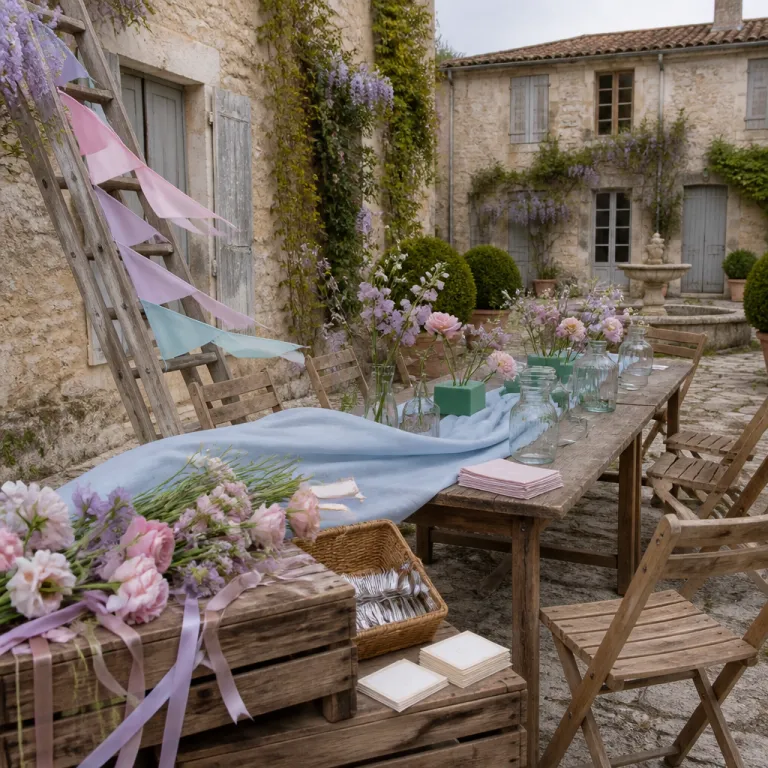
Why historic vacation homes define the best wedding locations in Europe
Choosing a historic vacation home immediately elevates your wedding from a pleasant event to an unforgettable chapter in your shared story. Across Europe, these character-filled estates, castles, and villas offer wedding locations where couples can host both the ceremony and the stay, turning a single day into a multi-day celebration with guests. For many couples planning a wedding Europe celebration, the ability to reserve an entire venue as a private accommodation site is the real luxury.
Destination weddings in Europe now attract around a quarter of couples, who want venues that feel personal rather than generic. Historic vacation homes answer this desire with flexible space, generous capacity, and the freedom to design weddings that reflect your style instead of a standard package. When you choose such a venue, you are not only booking wedding venues in Europe, you are curating a lived-in backdrop where guests can relax, reconnect, and explore the surrounding region together.
For a luxury or premium booking website focused on vacation homes, the most compelling wedding locations Europe-wide are those that combine architectural heritage with modern comfort. You should expect clear information about capacity, ceremony options, and on-site accommodation, so you can judge whether the venue suits a small intimate gathering or a larger celebration. When browsing venues across Europe, prioritise properties that show detailed floor plans, honest photography of indoor and outdoor space, and transparent policies for weddings and wedding elopement stays, including typical guest numbers and any minimum-stay requirements.
Italy’s lakes, villas, and coastal estates as wedding venues
Italy remains one of the best wedding locations in Europe for couples who dream of historic villas, terraced gardens, and shimmering water. Around Lake Como, grand vacation homes with private jetties and frescoed salons offer wedding venues where you can exchange vows on a stone terrace, then host guests for an elegant dinner overlooking the lake. These Italian properties often combine generous capacity with multiple ceremony spaces, allowing you to move from lakeside lawn to candlelit hall as the evening unfolds.
Beyond Lake Como, the Amalfi Coast offers some of the most dramatic wedding locations Europe can offer, with cliffside villas that seem to float above the sea. Many of these coastal estates operate as full-house rentals, giving couples exclusive use of every space for destination weddings that last several days. When you book through a luxury accommodation site, look for clear details about how many guests can sleep on site, how many additional guests the venue can host for the wedding ceremony, and whether local regulations affect music or late-night celebrations.
Italy also shines for intimate wedding celebrations in the countryside, where stone farmhouses and small intimate palazzi become private retreats. Typical capacities range from 20 to 60 overnight guests in rural villas, with many venues allowing up to 100 attendees for the main event. Whether you choose a lake villa, an Amalfi Coast terrace, or a rural venue, Italy offers wedding venues where history, views, and hospitality align for the best wedding experiences, supported by strong transport links and local planners who understand regional customs.
France, the French Riviera, and château stays for wedding Europe celebrations
France offers a spectrum of wedding locations, from Loire Valley châteaux to Mediterranean estates along the French Riviera. Many of these historic properties now operate as luxury vacation homes, allowing couples to host weddings where guests stay on site and enjoy the grounds for several days. This model suits destination weddings perfectly, because it turns a single ceremony into a relaxed house party with shared breakfasts, poolside afternoons, and late-night conversations.
Along the French Riviera, sea-view fortresses and hillside villas provide some of the most cinematic wedding venues Europe can offer. A historic property such as a sea view fortress in Cassis illustrates how a single venue can combine fortified walls, panoramic views, and generous outdoor space for ceremonies and receptions. When assessing such a venue, pay close attention to capacity for both sleeping guests and event attendees, as well as how the flow between terraces, courtyards, and interior salons will shape your wedding day.
For couples planning a small intimate wedding elopement, rural France offers stone farmhouses and compact châteaux where you can exchange vows in a walled garden or under ancient trees. These wedding locations across Europe often work best when you collaborate with a local wedding planner who understands regional suppliers, legal requirements, and seasonal nuances. As one expert guide notes, “Average cost of European destination wedding: 15000 USD (Zola Expert Wedding Advice, 2023)” and “Percentage of couples choosing destination weddings: 25 % (The Knot, 2023)”, figures that refer to typical overall spend excluding long-haul flights and personal honeymoon costs and underline why careful planning and transparent pricing on any accommodation site are essential.
Spain, Sant Llei, and Mas Sant estates for destination weddings
Spain has become a favourite destination for couples seeking wedding venues that blend historic architecture with relaxed Mediterranean energy. Around Barcelona, estates such as Sant Llei and Mas Sant show how traditional stone mansions can be adapted into full-service wedding locations while still feeling like private homes. When these properties are offered through a premium booking platform as exclusive-use vacation homes, they become ideal bases for destination weddings that stretch over a long weekend.
In regions such as Catalonia and Andalusia, many venues throughout Europe are former farmhouses or small palacios surrounded by vineyards and olive groves. These estates often provide flexible space for both large weddings and intimate wedding celebrations, with courtyards for the ceremony and barns or halls for the reception. When you evaluate a Spanish venue, look for clear information about capacity, indoor backup options in case of rain, and whether the property allows late-night music, fireworks, or external catering teams.
Spain also works beautifully for couples who want to combine their wedding with a relaxed holiday for guests. Coastal villas near the Costa Brava or Costa del Sol, offered as whole-house rentals, allow you to host pre-wedding barbecues, pool parties, and farewell brunches without leaving the venue. For wedding locations Europe-wide, Spain stands out because it offers both grand estates like Sant Llei and Mas Sant for larger weddings, often hosting 80 to 150 guests, and smaller vacation homes for a more intimate wedding or wedding elopement with only your closest guests, usually with a minimum stay of two or three nights.
Portugal, Greece, and lakeside retreats for intimate wedding stays
Portugal and Greece appeal strongly to couples who want wedding locations that feel both beautiful and relaxed, with strong local character. In Portugal, historic quintas and manor houses near Porto, Lisbon, and the Douro Valley often serve as wedding venues where you can host guests on site and explore vineyards or riverside villages together. These properties usually offer generous outdoor space for the ceremony, plus shaded terraces or barns for dining, which suits both small intimate gatherings and larger destination weddings.
Greece offers a different mood, with whitewashed villas, stone mansions, and island estates that overlook the sea rather than a lake. Many Greek vacation homes used as wedding venues Europe-wide are perched on cliffs or hillsides, giving you sweeping views for your ceremony and sunset portraits. When booking through a luxury accommodation site, confirm how many guests can stay overnight, whether nearby hotels can absorb additional guests, and how transport will work between the venue and local churches or town halls.
For couples seeking something more remote, lakeside and mountain homes across northern Europe provide atmospheric wedding locations that travellers often overlook. A private villa in Lapland, for example, can host an intimate wedding where you exchange vows under the midnight sun or winter skies, as shown by this style of private villa stay for an intimate Arctic escape. Whether you choose Portugal, Greece, or a secluded lake retreat, focus on venues that balance capacity, comfort, and authenticity, and check practical details such as seasonal access, airport distance, and typical guest capacities between 15 and 60 people.
United Kingdom, historic landmarks, and planning logistics for wedding Europe events
The United Kingdom offers a rich collection of historic landmarks and country houses that function as both vacation homes and wedding venues. From Scottish loch-side lodges to English manor houses, these properties provide wedding locations where you can host guests for several nights and explore surrounding villages, gardens, and heritage sites. For couples planning a wedding Europe celebration with a classic feel, the United Kingdom delivers stately architecture, manicured lawns, and often generous indoor space for unpredictable weather.
When you book a historic venue in the United Kingdom through a luxury accommodation site, you should expect detailed information about capacity, listed building restrictions, and approved supplier lists. Many of these venues across Europe require you to work with a professional wedding planner, who can coordinate with venue managers, local vendors, and legal advisors. The planning timeline for a destination wedding in such locations typically runs from nine to eighteen months, with booking the venue and securing key suppliers as the first priorities.
Logistics matter as much as aesthetics when you evaluate wedding locations Europe-wide, especially for historic properties. Check transport links for guests, accessibility for older relatives, and whether the venue can support multi-day weddings with welcome dinners and farewell brunches. In the United Kingdom, as in Italy, France, Spain, Portugal, and Greece, the best wedding venues are those where couples can exchange vows in a meaningful setting, then continue celebrating in the same space without rushing between separate locations, often with weekend hire packages that include accommodation for 20 to 40 guests.
How to choose the best wedding venues Europe wide through a luxury vacation home platform
Selecting among many wedding locations in Europe becomes easier when you treat the venue as both event space and temporary home. Start by clarifying your guest list, desired capacity, and whether you want a small intimate celebration, a larger destination wedding, or a private wedding elopement. Then filter venues Europe-wide by region, such as Lake Como, the Amalfi Coast, the French Riviera, Sant Llei and Mas Sant near Barcelona, or coastal estates in Portugal and Greece.
A trustworthy luxury accommodation site should provide transparent pricing, clear house rules for weddings, and detailed descriptions of ceremony options and reception layouts. Look for floor plans that show how guests will move between spaces, from the place where you exchange vows to the dining area and dance floor. For destination weddings, prioritise properties that offer enough bedrooms for key guests, plus nearby hotels or villas to absorb overflow, so everyone can stay close to the venue.
Finally, consider how each venue aligns with your travel style and the way you like to host friends. Some couples will feel most at home in a lakeside villa near Lake Como, others in a cliffside house on the Amalfi Coast, a château on the French Riviera, or a countryside estate in the United Kingdom. When you find wedding locations Europe-wide that match your vision, secure the venue early, then collaborate with a local wedding planner and venue managers to shape a celebration that feels both luxurious and deeply personal.
Key figures about destination weddings and European venues
- Average cost of a European destination wedding is around 15000 USD according to Zola Expert Wedding Advice, “Destination Wedding Guide”, accessed August 2023, which refers to a typical mid-range budget covering venue hire, catering, décor, and core suppliers but not long-haul flights or an extended honeymoon.
- Approximately 25 % of couples now choose destination weddings, based on 2023 data from The Knot, “Real Weddings Study 2023”, accessed August 2023, showing strong demand for wedding locations in Europe that double as vacation homes.
- Planning timelines typically range from 12 to 18 months for a wedding Europe celebration, because historic venues in Italy, France, Spain, Portugal, Greece, and the United Kingdom often book out far in advance.
- Many luxury vacation homes used as wedding venues require a minimum stay of two to three nights, which encourages couples to design multi-day events rather than a single ceremony.
- Guest counts for intimate wedding celebrations in European vacation homes often sit between 20 and 60 guests, while larger estates around Lake Como, the Amalfi Coast, and the French Riviera can host over 120 attendees.
FAQ about wedding locations in Europe and historic vacation homes
What are the most popular European regions for destination weddings
Italy, Greece, France, Spain, and Croatia are popular choices for destination weddings, with many couples favouring Lake Como, the Amalfi Coast, the French Riviera, and Spanish country estates. These regions offer a strong mix of historic venues, reliable transport, and beautiful landscapes. When you focus on vacation homes rather than traditional venues, you gain more privacy and flexibility for multi-day celebrations.
How far in advance should we book a historic vacation home for our wedding
For a destination wedding in Europe, you should start planning 12 to 18 months in advance, especially if you want a specific lake, coastal, or château venue. Historic properties with limited capacity often book prime dates early, particularly in late spring and early autumn. Early booking also gives guests more time to arrange travel and accommodation around your chosen venue.
Do we need a local wedding planner when using a vacation home as our venue
Hiring a local planner is recommended for smoother coordination, especially when your venue is a private vacation home rather than a traditional event space. A wedding planner can liaise with venue managers, caterers, florists, and legal advisors, ensuring that ceremonies and receptions comply with local regulations. This support is particularly valuable in Italy, France, Spain, Portugal, Greece, and the United Kingdom, where regional rules and supplier networks vary.
What should we check before confirming a vacation home as our wedding venue
Before booking, confirm guest capacity, house rules for weddings, noise restrictions, and whether the venue allows external suppliers. Ask for clear information about ceremony locations, backup indoor space, and how many guests can sleep on site versus nearby. You should also review cancellation policies and insurance requirements, especially for high-value destination weddings.
How can we balance an intimate wedding feel with enough space for guests
To keep an intimate wedding atmosphere, choose a venue where the main reception rooms and outdoor areas feel comfortably full at your expected guest count. Many couples opt for a small intimate ceremony with core guests, then host a larger celebration later or in another location. Historic vacation homes with multiple terraces, courtyards, and salons allow you to scale different parts of the celebration while maintaining a warm, personal feel.
References
- Zola Expert Wedding Advice, “Destination Wedding Guide”, accessed August 2023
- The Knot, “Real Weddings Study 2023”, accessed August 2023
- European Travel Commission, “European Tourism Trends and Prospects”, accessed August 2023
