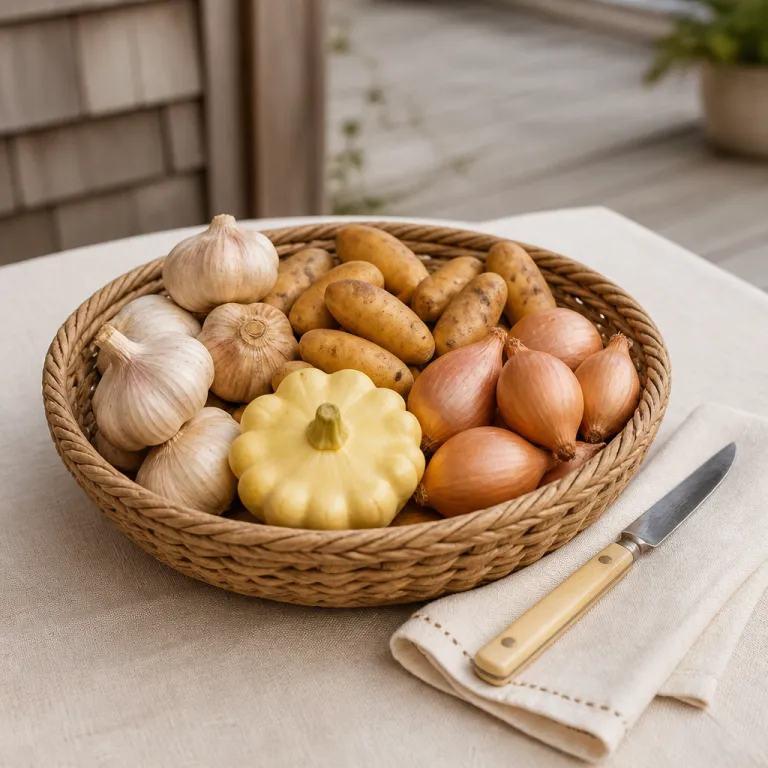
Why the edible garden is redefining the luxury vacation house
A true vacation house garden farm-to-table culinary experience begins before you even unpack. The most interesting luxury stays now treat the working farm and the edible garden as the quiet engine of the entire stay, shifting focus from the hotel style spa pool to the soil just beyond the terrace. When couples book a stay in these houses, they are choosing mornings that start among rows of organic produce rather than under a breakfast buffet heat lamp.
This is where the line between farm stay and private villa blurs in the best possible way. You might walk twenty metres from the kitchen table to a chef garden planted with tomatoes, basil, and local ingredients that actually shape the menus change from day to day. Instead of a generic food offering, the guest becomes part of a closed loop where culinary gardens, compost, and the farm table in the dining room all speak to each other.
For couples used to the anonymity of large hotels, this intimacy with the land feels quietly radical. The experience is not about themed décor or a table hotel gimmick, but about the rhythm of stays that follow what is ripe, not what a laminated menu dictates. When a host explains that the best farm tomatoes will be perfect by Thursday, your entire table dining plan subtly rearranges itself around that promise.
How a working garden changes the rhythm of your stay
In a conventional hotel, your day orbits fixed meal times and prewritten menus. In a vacation house designed around a garden and farm table, the day orbits what the soil is ready to give, and that shift creates a more immersive vacation house garden farm-to-table culinary experience. Couples wake, walk into the garden, and let the sight of fresh herbs, greens, and fruit decide whether breakfast is light, indulgent, or skipped in favour of a long lunch.
The best hotels that embrace this model often sit in regions where the land already tells strong food stories. Think of a Tuscan farm stay with olive trees and vines, or a Caribbean villa where culinary gardens hold limes, mangoes, and chillies that go straight to the table for sunset dining. On the Amalfi Coast, for example, some of the most memorable luxury villas pair citrus terraces with kitchens designed for serious cooking, a combination explored in depth in this guide to luxury villas in Positano.
Because the garden is only steps from the kitchen, guests can improvise. One guest might pick a handful of cherry tomatoes and basil for a quick lunch, while another plans an evening of table dining built around whatever organic produce looks best that afternoon. Over several stays, returning guests often time their book stay dates to coincide with favourite harvests, turning a simple farm stay into a personal food calendar.
From smoky grills to hot springs: regional flavours of garden focused houses
Edible garden houses are not confined to one postcard landscape. In the United States, the smoky mountains region has seen a rise in luxury cabins where a chef garden sits beside a fire pit, so the food moves from soil to smoky grill in minutes and the entire experience feels grounded and elemental. These properties often rival the best hotels in the area, yet they trade lobbies for long wooden tables and views that stretch over forested ridges.
Some of the most atmospheric farm stays pair culinary gardens with natural hot springs or a carefully designed spa pool. In parts of Japan, Iceland, and Central Europe, you will find houses where a soak in a natural hot pool follows an afternoon harvesting vegetables, creating a wellness arc that no standard hotel buffet can match. For mountain loving couples, luxury cabin rentals in high altitude regions such as Colorado now combine chef led cooking classes, access to local farm produce, and serious architecture, as seen in this overview of refined cabin stays in Colorado.
In the American South, the idea of the best farm retreat often centres on properties similar in spirit to Blackberry Farm in Tennessee, where farm table meals, culinary gardens, and a strong sense of place define the stay. While Blackberry Farm itself operates more like a refined countryside hotel, its influence is clear in independent vacation houses that echo its closed loop philosophy. Guests move between garden, kitchen, and table with ease, and each guest leaves with a deeper understanding of how local ingredients, smoky grills, and mountain air can shape a stay.
How to spot a genuine edible garden house when you book
Not every pretty garden translates into a real vacation house garden farm-to-table culinary experience. When you are ready to book stay options, read listings with the same care you would apply to a wine list, looking for specific mentions of organic produce, culinary gardens, and how far the garden sits from the kitchen. A decorative lawn with a few potted herbs will not deliver the same food immersion as a mapped chef garden with labelled beds and seasonal notes.
Serious farm stays usually describe the closed loop between soil and table in concrete terms. Look for details about which local ingredients are grown on site, whether menus change with the harvest, and if cooking classes or guided garden walks are offered to guests. A property that simply says it is eco friendly without explaining composting, water use, or how the farm table is supplied is probably leaning on marketing language rather than genuine practice.
Photography tells its own story. You want to see working soil, irrigation lines, and baskets of fresh produce heading toward the dining area, not just manicured lawns that could belong to any table hotel or urban hotels complex. For extra confidence, prioritise hosts who explain their best farm crops by season and who share sample table dining menus that clearly show what comes from the garden and what is sourced from nearby farms.
The host you rarely see, and why they matter to your plate
Behind every convincing garden focused stay, there is usually a quiet expert. It might be a caretaker who tends the farm, a chef who designs menus around the chef garden, or a remote concierge who arranges cooking classes and market visits before you arrive. These people shape the vacation house garden farm-to-table culinary experience as much as the architecture or the view.
On well run properties, the host or manager explains how the closed loop works from the first message. They might outline which culinary gardens are ready for harvesting, how guests can safely use tools, and whether a professional chef is available for one night of elevated table dining during longer stays. Remote support has become particularly sophisticated, with concierge style services now coordinating everything from local food deliveries to private spa pool treatments, a shift explored in this analysis of remote concierge hospitality.
For couples, the most rewarding experiences often come when they engage with this expertise. Ask which local ingredients are unfamiliar but worth trying, and request simple recipes that suit the garden’s best produce during your stay. Over time, you will learn to read between the lines of listings, recognising which farm stays and best hotels style houses treat the garden as a living pantry rather than a decorative backdrop, and your future book stay choices will become sharper and more satisfying.
FAQ
How is a garden focused vacation house different from a regular rental ?
A garden focused vacation house integrates a working farm or edible garden directly into daily life, rather than treating outdoor space as decoration. Guests are encouraged to harvest organic produce, cook with local ingredients, and shape meals around what is ripe. This creates a more immersive food experience than a standard rental where the table is only a place to eat, not a reflection of the land outside.
Do I need strong cooking skills to enjoy a farm-to-table style stay ?
You do not need to be an experienced cook to enjoy this type of stay. Many properties offer simple recipes, optional cooking classes, or access to a private chef who can turn garden produce into relaxed but refined dining. Even basic tasks such as picking herbs, washing vegetables, and arranging a farm table platter can make the experience feel special without demanding advanced skills.
What should I check in a listing before I book a garden based property ?
Look for clear descriptions of the garden or farm, including what is grown, how guests can access it, and how far it is from the kitchen. Serious hosts explain whether menus change with the seasons, if the property follows eco friendly or closed loop practices, and whether any hot springs, spa pool facilities, or wellness amenities complement the food focus. Photos should show working soil, tools, and real produce, not just ornamental landscaping.
Are garden oriented vacation houses more expensive than other options ?
Prices vary widely, but garden oriented houses often sit in the same range as other premium stays in their region. You may pay a little more for properties with extensive culinary gardens, a dedicated chef garden, or access to extras such as natural hot springs and private spa services. Many couples find that cooking some meals at home offsets restaurant costs, making the overall stay good value for the level of experience.
Which destinations are best for a vacation house with an edible garden ?
Regions with strong agricultural traditions tend to offer the best selection of these houses. Mediterranean areas such as Tuscany and Provence, mountain regions like the smoky mountains and Colorado, and rural pockets near renowned properties such as Blackberry Farm all feature compelling farm stays and garden centred rentals. When you search, combine destination names with terms like farm stay, culinary gardens, or farm table to narrow results to the most food focused options.