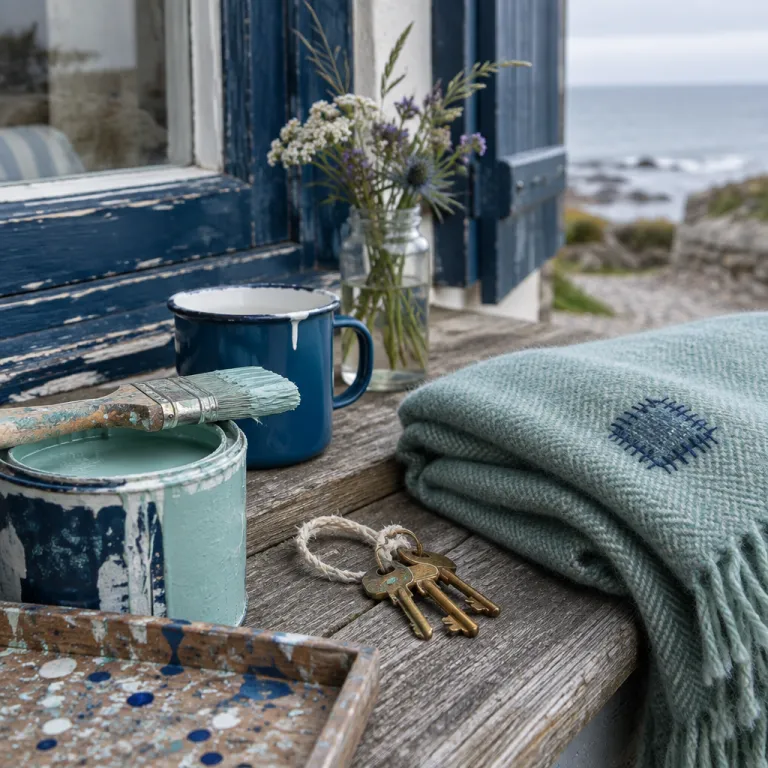
How a caretaker turns a heritage rental from backdrop into lived house
A memorable stay in a historic vacation home begins long before you turn the key. In a genuinely lived-in heritage rental, someone has walked the rooms that morning, checked the boiler, opened the shutters and made sure the house feels ready for guests rather than staged for a photo shoot. That quiet human presence is what separates meaningful heritage stays from generic short term rentals that could be anywhere.
When you book a historic vacation house with a dedicated caretaker, you are not just paying for square meters and a view. You are entering a house where someone knows which window sticks in winter, which tap needs a gentle hand and which park path behind the garden leads to the old stone washhouse that locals still use. That level of care is invisible in listings, yet it shapes every moment of your stay.
Look closely at how a property describes its sitters, its house sitting routines and its approach to long term maintenance, because these details reveal whether someone still loves the building. A serious host will explain who handles pets care when there are resident animals, how overnight guests are welcomed and what sitting opportunities exist for travel lovers who might return for a longer term stay. When a listing treats the house as a character rather than a commodity, you can usually find perfect alignment between its story and your own vacation expectations.
The local caretaker as your key to the house, village and landscape
In the best heritage rentals, the caretaker is not a distant manager but a neighbor who knows the village baker by name. They will walk you through the house at arrival, explain the quirks of the old stone staircase and calmly answer questions about everything from the fuse box to the nearest beach path. That first tour sets the tone for a stay that feels guided yet never over handled.
A good caretaker treats house sitting as a craft, not a side job, and they often live within walking distance of the rental. They can help you explore the local market, suggest a quiet park where you can read in the shade and point out the island of calm streets that tourists rarely find. When you stay in converted farmhouses, rectories or chapels, that kind of guidance turns a simple lovers stay into what feels like sleeping inside a story, especially when you choose a thoughtfully restored property such as those highlighted in this guide to converted heritage farmhouses and chapels.
For solo travel lovers, the caretaker often becomes a discreet anchor who offers peace of mind without intruding on your independence. They might share detailed directions for a coastal walk in California, recommend a family run trattoria in a small town in North America or suggest which rentals near a city park feel safe to walk back from at night. When you find perfect alignment between your style of travel and their quiet leadership in the community, the house itself starts to feel like a trusted friend.
Reading between the lines of listings to spot real stewardship
On a luxury and premium booking website, every historic vacation house will claim character, yet only some show evidence of real stewardship. Read the description slowly and look for mentions of a named caretaker, long term sitters or an on site couple who handle house sitting and pets care throughout the year. Those details suggest continuity rather than a rotation of anonymous sitting services that treat the house as just another rental.
Signals of a cared for house include original materials that have been repaired rather than replaced, documented history of the building and clear information about who welcomes guests on arrival. Listings that provide precise directions, explain how to book directly with the owner and describe how overnight guests are handled usually reflect an award winning level of hospitality. When a host writes about leadership in preservation, explains their dedicated provision of funds for ongoing restoration and shares how long they have been guardians of the property, you can feel the difference in every room.
Be wary of heritage rentals where every surface looks new, every term of the stay is automated and no human name appears anywhere in the listing. Over renovation can erase the creak of the floorboards, the patina on the doors and the subtle traces of previous guests that make a lovers stay feel layered rather than sterile. If you are planning a celebration in a historic house, look for properties curated in collections of timeless wedding locations in historic vacation homes, where the emphasis falls on memory, not just marketing.
Comfort versus character: what to accept and what to refuse
Every stay in a historic vacation house involves a negotiation between comfort and character, and the caretaker sits at the center of that balance. You might accept slightly older plumbing, a sloping floor or smaller windows in exchange for thick stone walls, original tiles and a house that has genuinely aged in place. What you should never accept is negligence disguised as charm, especially when you are paying premium rental rates for a long term stay.
A responsible caretaker will be transparent about what is idiosyncratic and what is unacceptable, and they will happily answer questions before you book. They should explain how heating works in winter, how pets are accommodated if you travel with pets and how they manage sitters or house sitting arrangements when they are away. When you book directly through a platform that values stewardship, you often gain access to an équipe of local experts who are dedicated to providing clear communication and practical support throughout your vacation.
Use your first messages with the host to test their responsiveness and depth of knowledge about the house and its surroundings. Ask about the nearest park, the distance to the beach or whether the island ferry runs late enough for overnight guests returning from dinner. If their replies feel like copy pasted text that could apply to any rentals in North America or York City, you may want to find alternatives where the caretaker clearly still loves the house you rent.
The arrival ritual and why a present caretaker changes everything
The moment you arrive at a historic vacation house, you can usually tell within minutes whether someone truly lives with this building. A caretaker who meets you at the gate, walks you through each room and shares small stories about previous guests instantly shifts the mood from transaction to welcome. That ritual matters more than any app store rating or automated check in code.
In some of the most memorable houses I have visited, from a hillside rental in California wine country to a stone house on a Greek island, the caretaker had been there for decades. In one French farmhouse, for example, the caretaker, Marie, could point to every beam that had been repaired rather than replaced and knew which window frames to close before the evening wind, how long the walk to the nearest beach actually takes and which travel lovers in the village might offer sitting opportunities if you need pets care for a day trip. Their presence gave me genuine peace of mind, because I knew that if anything went wrong during my stay, someone who cared would appear at the door.
When you plan your next vacation, treat the caretaker as part of the house rather than an optional extra. Choose platforms where you can book directly, read about leadership in preservation and see evidence that the host will not skip content about maintenance or safety just to keep the listing short. For a sense of how deeply curated heritage rentals can feel when stewardship comes first, look at a refined alpine property such as a Courchevel chalet rental with a resident caretaker, where every detail reflects long term care rather than short term gain.
How to interrogate listings and hosts like a seasoned heritage traveler
Approach each potential historic vacation house with the calm skepticism of someone who has seen too many perfect photos. Start by reading the full description without letting your eyes skip content, paying attention to how often the host mentions the caretaker, sitters or any form of house sitting support. If the listing focuses only on décor and avoids practical details, you may struggle to find perfect alignment between the promise and the reality of your stay.
Before you book, send a short, precise message that invites the host to answer questions in depth. Ask who looks after the house day to day, how long that person has been in the role and whether they live on site or nearby in the park of surrounding streets. Clarify policies on overnight guests, pets care and long term rentals, because these topics reveal whether the host thinks in terms of quick turnover or in terms of the full term life of the house.
Finally, pay attention to how the host talks about leadership in their community and their dedicated support to guests beyond the transaction. A thoughtful owner will often reference other travel lovers who return each vacation, share stories of award winning restoration work or mention how they collaborate with local sitters to create sitting opportunities that benefit both pets and people. When you sense that the house, the caretaker and the neighborhood form a single ecosystem, you can book directly with confidence that someone still loves the house you rent.
FAQ
How do I know if a heritage rental has a real caretaker on site ?
Look for listings that name the caretaker, describe their daily routines and explain how they welcome guests in person. If the description mentions long term stewardship, house sitting arrangements and clear directions for arrival, you are likely dealing with a real custodian rather than a distant management company. You can always send a message and ask directly who will meet you and how long they have been caring for the house.
What questions should I ask before booking a historic vacation house ?
Ask who maintains the house, how they handle maintenance issues during your stay and whether they live nearby. Clarify policies on pets, overnight guests and long term rentals, because these reveal how the host balances preservation with practical use. It is also wise to ask about heating, plumbing and any quirks of the building so you can decide what level of character you are comfortable with.
Is it worth paying more for a heritage property with a resident caretaker ?
For many travelers, the higher rate is justified by the depth of experience and peace of mind that a resident caretaker provides. They can solve problems quickly, share local knowledge and protect the long term health of the building, which directly improves your stay. If you value authenticity, context and human connection, a cared for heritage house usually offers better value than a cheaper but anonymous rental.
How can solo travelers feel safe in remote historic houses ?
Solo travelers should prioritize properties where the caretaker lives on site or very close, and where the listing clearly explains security measures. Ask about lighting, locks, distance to neighbors and how quickly someone can reach the house if needed. A responsive host who answers questions thoroughly is often a better safety indicator than any single amenity.
What level of imperfection is normal in an old vacation house ?
Minor quirks such as uneven floors, slightly smaller windows or older fixtures are normal in historic houses and often part of their charm. What is not acceptable is poor cleanliness, unsafe wiring or neglected maintenance presented as character. A good caretaker will be honest about the former and proactive about fixing the latter, so you can enjoy the story of the house without compromising on basic comfort.