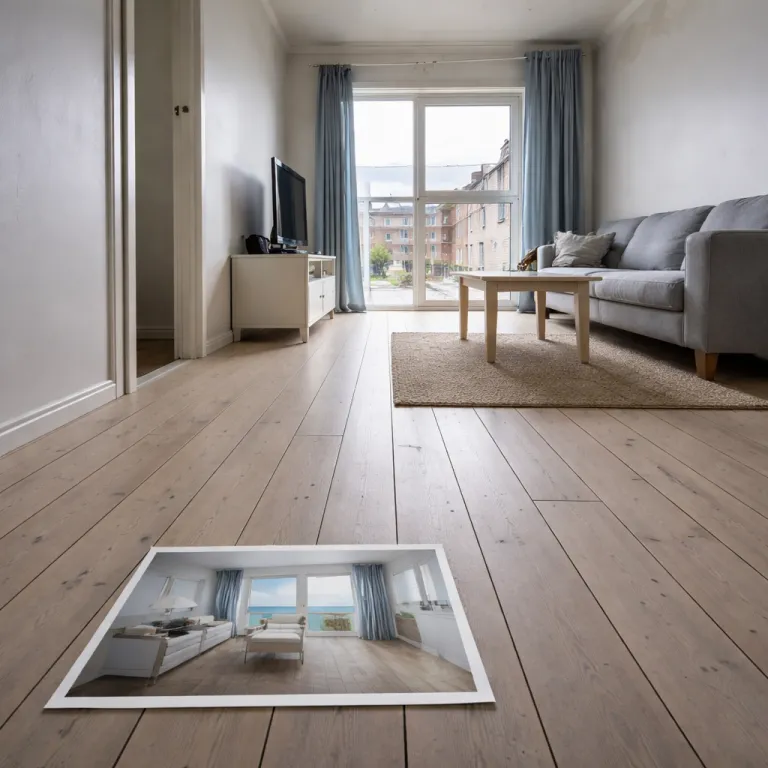
Why luxury guests need a recourse plan before they book
You book a stone farmhouse with golden light in every room, then arrive to a damp ground floor where the property is nothing like the listing photos. That gap between promise and reality is where the question of what to do when a vacation rental looks different from the photos stops being abstract and becomes the only thing that matters. For luxury and premium travelers, the stakes are higher because every stay is a carefully planned chapter, not just a quick escape.
On curated platforms and on Airbnb, the most common complaint from experienced guests is simple: the rental property is different from what the photos suggested. This is not only about aesthetics, but about safety, accessibility, and the level of privacy you expected from the listing when you confirmed your booking. When a property is not as described, you move from inspiration to consumer protection, and you need a clear, practiced script rather than improvised frustration.
Think of having a recourse plan for misleading vacation rental photos as part of your travel toolkit, like travel insurance or a backup credit card. You would not drive a coastal road without a spare tyre, so do not enter a high value stay without a plan for what happens if the property is not as advertised. The aim is not to argue with hosts, but to secure a fair outcome quickly so your stay still feels like a holiday, not a dispute.
Every actor in this ecosystem has a defined role when a property is not as described. The vacation rental guest is the complainant, the property owner or manager is the respondent, and the booking platform becomes the mediator that can help unlock refunds or relocations. Understanding this structure in advance makes your response calmer, more effective, and far less personal when the home you arrive to does not match the listing photos you booked from.
Reading listings like an expert: photos, reviews, and red flags
Most problems with a stay that does not match the listing begin long before check in, in the way we read a listing. Luxury travelers often skim through photos, feel an emotional pull from a single terrace shot, and rush the booking because the dates are scarce. A more forensic approach to listings dramatically reduces the risk that the property is not what you imagined.
Start with the visual story: if the gallery shows only wide angle photos of living spaces but omits the kitchen, bathrooms, or street entrance, treat that as a red flag. A serious host will include daylight and evening images, close ups of finishes, and exterior context so you can judge the real level of privacy and noise. When the property is presented only through stylised, heavily edited photos, assume that you may need to fall back on guest protections later and proceed cautiously.
Then interrogate the written listing against the images. If the text promises a chef level kitchen but the photos show only a two burner hob, the property is already telling you that reality and aspiration are misaligned. Repeated use of vague adjectives like cozy in reviews, without detailed responses from the host about room sizes or layout, often signals that the property is smaller or darker than the listing suggests.
Reviews are your first line of defence before any formal complaint becomes necessary. Look for guests who mention that the property is exactly like the photos, or conversely that the property is not as bright, spacious, or quiet as the images imply. On platforms such as Airbnb or on curated villa collections like those featured in this refined villa stays guide for Anguilla, the most useful reviews are those that calmly list discrepancies and how the host responded.
Your first hour on arrival: documentation protocol that actually works
The most decisive phase in any response to misleading listing photos is the first hour after you arrive. Treat that hour as a structured inspection, not as an unboxing of your holiday, especially when the booking represents a significant investment. This is not about paranoia; it is about preserving your options while you still have leverage.
First-hour checklist: (1) Turn on all lights and open curtains to assess natural light and overall condition. (2) Walk every room, terrace, and outdoor area, checking that key features from the listing (bedrooms, bathrooms, pool, view, accessibility) are present and functional. (3) Note any safety issues (loose railings, exposed wiring, missing locks or smoke alarms). (4) Photograph and film discrepancies immediately, before unpacking, and save them in a clearly named, timestamped folder on your phone or cloud drive. (5) Confirm Wi-Fi, heating/air conditioning, and hot water work as advertised. (6) If you spot major gaps versus the listing, pause before settling in and start documenting in detail.
Begin by walking through the property with your phone camera, capturing timestamped photos (JPEG or HEIC) and short landscape videos (MP4 or MOV) of every room, terrace, and view. Take matching angles from the listing photos where possible, then add context shots that show street proximity, neighbouring buildings, and any construction noise. If the property is not as described, these images become the backbone of your report to the host and, if needed, to the booking platform.
Document specific discrepancies rather than general feelings. Instead of saying the property is not luxurious, photograph the stained sofa, the broken pool tiles, or the missing second bedroom that the listing promised, and keep a calm written list with dates and times. This level of detail is what platforms look for when assessing claims that a vacation rental does not match its photos or description.
Communicate only through official channels in this early phase. Use the platform messaging system or the professional email address provided in your booking confirmation, and avoid shifting to a private phone number or informal messaging apps. Professionalised hosts, such as those highlighted in the guide to what professional hosts mean for your stay, are trained to respond with structured, documented solutions, which strengthens your position if the dispute escalates.
How to contact the host and platform: scripts, tone, and timelines
Once you have evidence, the next step in dealing with a rental that is not as advertised is communication. Your goal is to give the host a fair chance to resolve the issue quickly, while also creating a clear written trail for the booking platform. Precision and tone matter more than volume.
Send a concise message through the platform or by email that lists each discrepancy between the listing and the reality, attaching photos and videos. For example, you might write that the property is not as described because the advertised third bedroom is locked, the pool is empty, and the sea view from the photos is blocked by scaffolding. Ask for specific remedies, such as a partial refund, a complimentary deep clean, or relocation to a comparable property from the same portfolio.
Sample first message to the host: “Hello [Host Name], we checked in at [local time] on [date] to [property name]. We have found several issues where the property does not match the listing: (1) The third bedroom shown in the photos is locked and inaccessible. (2) The pool is empty and unusable. (3) The sea view in the listing photos is currently blocked by scaffolding from nearby construction. I have attached timestamped photos and short videos taken today to document these points. Please let us know within the next 2–3 hours what solutions you can offer (for example, unlocking the bedroom, restoring pool use, a partial refund, or relocation to a similar property). We would like to resolve this quickly so we can enjoy our stay.”
Give the host a defined response window, usually two to three hours during daytime, and keep your language factual rather than emotional. If the host does not respond or offers only vague apologies without concrete solutions, escalate through the platform’s resolution centre and submit a formal report that mirrors your initial message. On Airbnb, this is where policies like AirCover come into play, while on other platforms the process may be called a booking protection claim, but the logic is the same.
When you escalate, platforms expect detailed responses from you as well. They will ask when you checked in, when you first contacted the host, and how the property is different from the listing photos, so keep your timeline clear. If the property is not as described and you decide to leave, inform both the host and the platform before you check out, because abandoning the stay without notice can weaken your position in any refund or relocation request.
Platform policies, EU rules, and when legal recourse becomes realistic
Not all paths for challenging misleading vacation rental listings are created equal, and understanding the hierarchy helps you choose your battles. Host negotiation comes first, platform mediation second, and chargebacks or legal action only when the sums and principles justify the time. This layered approach keeps most disputes contained while preserving your ability to escalate if needed.
Major platforms such as Airbnb and Vrbo each operate their own protection schemes, with different timelines and thresholds for refunds. Airbnb’s AirCover, for example, states that guests should contact support within 72 hours of discovering that a place is not as advertised, and it focuses on rapid same day solutions when a property is not as described. Vrbo’s Book with Confidence Guarantee typically leans more on post stay claims and documentation, covering issues like significant misrepresentation or inability to access the home. Direct booking with a luxury agency or owner can offer more personalised help, but you must then rely on contract law and credit card protections rather than platform policies.
Within the European Union, short term rental regulation is tightening, with universal registration numbers and data sharing designed to improve listing accuracy over time. Under general EU consumer rules on unfair commercial practices, misleading advertising can be challenged when a property is substantially different from its listing, and national consumer protection agencies or ombuds services can step in if the host or platform does not cooperate. This means that when a property is not as described, you may have additional consumer protection routes through national authorities or local tourism boards, especially if the misrepresentation is systematic.
Regulators and consumer bodies have noted the scale of the problem, tracking thousands of complaints each year that involve fake listings or serious misrepresentation. That pattern underlines why having a clear plan for what to do when a vacation rental does not match its photos is no longer a niche concern. When you document carefully and use official channels, you are not only protecting your own stay, but contributing to a data trail that pressures platforms and hosts to raise their standards.
Choosing where and how to book: reducing risk without losing character
The most elegant form of recourse is never needing it, because you chose your property and platform with precision. That does not mean defaulting to the most corporate option, but it does mean favouring ecosystems where accountability is built in. For solo explorers who value character as much as comfort, this is a balancing act worth mastering.
Curated platforms and specialist agencies often pre vet every property, checking that the listing photos match reality and that hosts understand service at a high level. When you browse a collection such as the refined homes around Storey Lake highlighted in this guide to resort style vacation house living, you are effectively benefiting from someone else’s on the ground inspection. That does not eliminate the risk that a property is not as described, but it narrows the gap between marketing and experience.
Direct booking with a trusted property manager can also work well, especially when you can speak with a real person by phone before you commit. Ask for recent, unedited photos, clarify any ambiguous points in the listing, and request written confirmation of key features such as air conditioning, pool heating, or step free access. When a host responds with prompt, detailed answers and offers to update the listing to reflect your questions, it signals a level of professionalism that makes serious misrepresentation less likely.
Finally, keep your own expectations aligned with the context of the stay. A hillside finca in Ibiza will never feel like a soundproofed city penthouse, and a fisherman’s cottage in Cornwall will always carry traces of salt and weather. The art is to choose properties whose imperfections you will enjoy living with, so that even if the property is not as described in some minor way, your holiday still feels like the long dinner where nobody wants to leave the table.
Key statistics on misleading vacation rentals and guest recourse
- Consumer protection bodies report thousands of complaints each year involving vacation rentals, including both fake listings and serious misrepresentation, highlighting the need for clear guest recourse when a property does not match its photos.
- Regulators and platforms are tracking a rise in AI generated fake listings, which makes careful verification of listing photos and reverse image searches an increasingly important part of pre booking due diligence for luxury travelers.
- Consumer advice agencies consistently recommend three core steps when a property is not as described: document discrepancies, contact the owner or manager promptly, and report the issue through the booking platform’s official dispute system.
- Across major platforms, internal data shared with regulators shows that misrepresentation complaints cluster around a few themes, including inaccurate location, misleading room counts, and heavily edited photos that do not reflect current property condition.
FAQ: when your vacation house does not match the photos
What should I do immediately if my rental does not match the photos?
Start by documenting every discrepancy with clear, timestamped photos and short videos that mirror the original listing angles where possible. Then contact the host through the platform or official email, listing each issue calmly and asking for specific remedies such as a partial refund, extra cleaning, or relocation. If the response is slow or inadequate, escalate through the platform’s resolution centre the same day so your position remains strong.
How can I avoid booking a misleading vacation rental in the first place?
Read listings critically, looking for complete photo sets that include kitchens, bathrooms, and exteriors, and treat wide angle only galleries as a warning sign. Study reviews for concrete descriptions rather than vague praise, and pay attention to how hosts provide detailed responses to past concerns. Whenever possible, book through reputable platforms or curated agencies, and avoid off platform payments that weaken your protection if the property is not as described.
Are there legal options if the host or platform refuses to help?
Yes, but legal action is usually a last resort reserved for high value disputes or clear patterns of fraud. In many countries, consumer protection laws cover misleading advertising, which can apply when a property is significantly different from its listing photos or description. If you reach this stage, consult a legal advisor or consumer protection agency with your full documentation, including messages, photos, and booking records.
Should I ever leave the property before the dispute is resolved?
You can, but only after you have documented the issues, informed the host, and notified the platform that you intend to relocate because the property is not as described. Leaving without notice can weaken your claim, as platforms may argue that the host was not given a chance to fix the problem. When safety is at stake, prioritise your wellbeing, but still send a clear written explanation as soon as possible.
Do off platform bookings give me fewer protections than platform bookings?
Generally yes, because you lose access to structured dispute systems, refund policies, and mediation services that major platforms provide. With direct bookings, your main protections come from the contract terms, your credit card issuer, and local consumer law, which can be slower and more complex to use. If you choose a direct booking for a high end stay, insist on a detailed written agreement and keep every email so you have a solid base for any future complaint about misleading photos or descriptions.